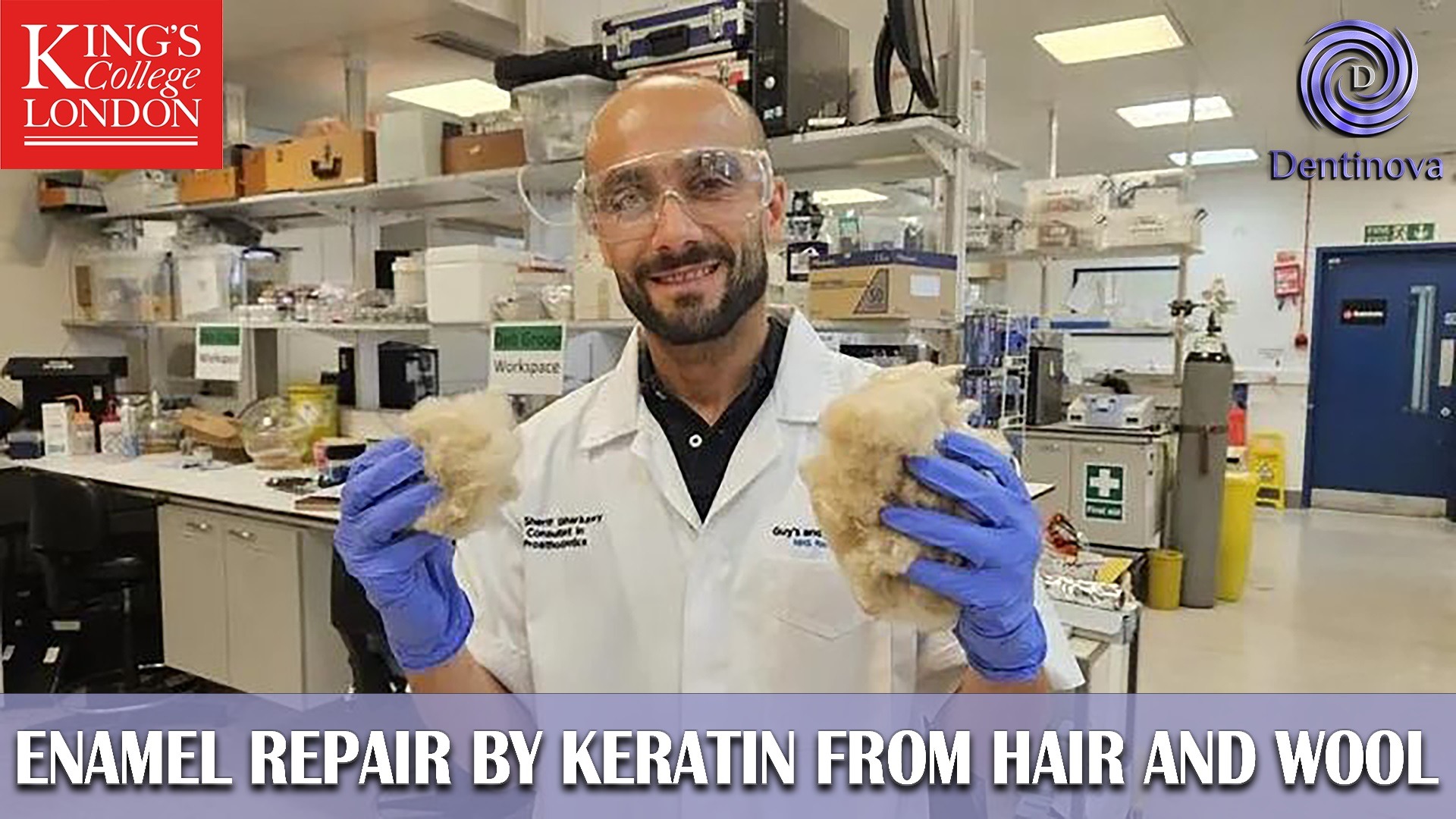
Enamel Repair Using Keratin from Hair and Wool
Enamel Repair: A Dream Coming True
Tooth enamel, the hardest tissue in the human body, protects teeth from daily wear and decay. Yet once damaged, enamel does not regenerate naturally, leaving teeth vulnerable to sensitivity, cavities, and long-term deterioration. Traditional enamel repair methods rely on resins or fluoride, which offer only temporary relief and may not mimic the natural structure of enamel. Recently, scientists at King’s College London have made a groundbreaking discovery: a keratin-based enamel repair material derived from human hair and sheep’s wool. This novel solution has the potential to transform dentistry, making enamel repair more effective, sustainable, and accessible.
What Is Keratin-Based Enamel Repair?
Keratin is a structural protein found in hair, wool, nails, and feathers. Researchers discovered that when processed and applied to teeth, keratin can bind with minerals naturally present in saliva. This interaction forms a durable, enamel-like layer that not only strengthens teeth but also restores lost protective functions. Unlike synthetic resins, keratin integrates seamlessly with the tooth surface, providing a natural and biocompatible repair method.
According to early laboratory studies, this keratin coating has shown superior performance to conventional dental resins in terms of durability, adhesion, and protection against acid erosion. Scientists envision its use in the form of toothpastes, gels, or varnishes within the next few years, potentially becoming a routine part of oral care.
Why Hair and Wool? A Sustainable Source of Dental Solutions
One of the most innovative aspects of keratin-based enamel repair is its sustainable sourcing. Human hair and sheep’s wool are abundant, renewable, and often discarded as waste materials. By extracting keratin from these sources, researchers create a circular economy approach to dental care—turning organic waste into life-improving biomaterials.
This eco-friendly model aligns with the growing trend of sustainable dentistry, which aims to reduce environmental impact while advancing patient care. Using natural keratin also eliminates concerns about toxic chemicals or microplastics often present in synthetic dental products.
Keratin-Based Enamel Repair vs. Traditional Treatments
Traditional enamel repair methods include composite resins, fluoride applications, and remineralizing agents. While these treatments can protect teeth temporarily, they have limitations:
Fluoride strengthens enamel but cannot restore lost layers once damage occurs.
Composite resins are prone to wear, discoloration, and poor long-term adhesion.
Remineralizing pastes often provide surface-level improvement without deep structural integration.
By contrast, keratin-based coatings mimic the natural crystalline structure of enamel. They bond with calcium and phosphate ions in saliva, promoting a self-repairing effect. Laboratory tests suggest that keratin coatings withstand acid attacks from foods and drinks more effectively than conventional resins, potentially reducing the risk of cavities and tooth sensitivity over time.
Scientific Evidence Supporting Keratin-Based Enamel Repair
Several studies highlight the promise of keratin in dental applications:
King’s College London Study (2025) – Researchers demonstrated that keratin extracted from hair and wool forms a hard, enamel-like surface when combined with saliva minerals. Early results showed stronger adhesion and greater resistance to erosion than dental composites (Washington Post, 2025; LiveScience, 2025).
Keratin Biomaterials Research (Journal of Materials Science, 2022) – Previous studies have shown that keratin-based films are biocompatible, mechanically strong, and capable of interacting with biological tissues, making them suitable for medical and dental uses.
Sustainable Dentistry Trends – A 2023 review published in Frontiers in Dental Medicine noted growing interest in natural biomaterials such as keratin for eco-friendly dental innovations.
These findings collectively indicate that keratin is not only effective but also practical for long-term clinical application.
Potential Applications in Daily Dental Care
The future of keratin-based enamel repair extends far beyond the laboratory. Researchers envision multiple commercial and clinical applications:
Toothpaste and Gel Formulas: Easy-to-use home care products that strengthen enamel during daily brushing.
Professional Dental Varnishes: Applied in clinics to patients with severe enamel loss or sensitivity.
Preventive Coatings: Targeting high-risk groups such as children, elderly patients, and those with acid reflux or dietary risks.
Eco-Friendly Dentistry Products: Offering sustainable alternatives to resin-based sealants and fluoride treatments.
If approved for commercial release within the next few years, keratin-based dental products could redefine preventive care worldwide.
Challenges and Future Outlook
While promising, keratin-based enamel repair still faces challenges:
Clinical Trials: More human studies are required to confirm long-term safety, durability, and effectiveness.
Scalability: Extracting keratin sustainably and processing it into dental products must be cost-effective for large-scale use.
Regulatory Approval: Dental products undergo strict health and safety regulations before being introduced to the public.
Despite these hurdles, experts predict that keratin-based enamel repair could enter the dental market within two to five years, potentially revolutionizing the way we treat enamel loss.
Toward a Future of Natural Tooth Regeneration
Keratin-based enamel repair from hair and wool represents a paradigm shift in dentistry. By leveraging natural proteins, this method not only strengthens and restores enamel but also supports eco-friendly dental care practices. Early studies suggest it may outperform traditional methods, offering durable, biocompatible, and sustainable solutions.
With continued research and clinical trials, this innovation could soon move from laboratories into everyday products like toothpaste and gels—making advanced enamel repair accessible to millions worldwide.
References
Washington Post. Keratin Tooth Repair Breakthrough: Hair and Wool as Dental Biomaterials (2025).
LiveScience. Keratin Extracted from Sheep’s Wool Repairs Teeth in Breakthrough Study (2025).
The Week. The Science Behind Regrowing Missing Teeth (2025).
Frontiers in Dental Medicine. Eco-Friendly and Natural Biomaterials in Dentistry: A Review (2023).
Journal of Materials Science. Keratin Biomaterials for Biomedical and Dental Applications (2022).
Frequently Asked Questions (FAQs)
1. What is keratin-based enamel repair?
Keratin-based enamel repair is a new dental innovation that uses keratin protein, extracted from human hair or sheep’s wool, to restore damaged tooth enamel. The keratin in saliva interacts with minerals to form a durable, enamel-like layer that strengthens and protects teeth.
2. How does keratin repair tooth enamel better than traditional treatments?
Unlike resins and fluoride treatments that provide surface-level protection, keratin-based coatings mimic the natural structure of enamel and integrate more deeply with tooth surfaces. Studies show this method is more resistant to acid erosion and wear, making it a stronger, longer-lasting solution.
3. Is keratin-based enamel repair safe for humans?
Yes. Keratin is a natural protein already present in the human body. Early studies suggest that keratin-based materials are biocompatible, non-toxic, and safe. However, large-scale clinical trials are still ongoing to confirm long-term safety before the public release.
4. When will keratin-based enamel repair products be available?
Researchers at King’s College London estimate that keratin-based products, such as toothpaste, gels, or professional dental varnishes, could reach the market within the next two to five years, pending regulatory approval and successful clinical trials.
5. Can keratin-based enamel repair regrow lost teeth?
No. Keratin repair strengthens and restores enamel but does not regrow entire teeth. For full tooth regeneration, other research fields such as stem-cell therapy and bioengineered teeth are being explored. Keratin-based enamel repair is focused specifically on rebuilding the enamel layer.
6. Is this method environmentally friendly?
Yes. Keratin is extracted from waste materials like human hair and sheep’s wool, which are renewable and sustainable resources. This makes keratin-based enamel repair an eco-friendly alternative to synthetic resins and other chemical-based dental products.
7. Who could benefit the most from keratin-based enamel repair?
This treatment could benefit:
People with tooth sensitivity due to enamel erosion.
Patients at high risk of acid wear from diet or medical conditions.
Children and elderly patients with fragile enamel.
Anyone seeking an eco-friendly dental care solution.
Recent Articles







Enamel Repair: A Dream Coming True
Tooth enamel, the hardest tissue in the human body, protects teeth from daily wear and decay. Yet once damaged, enamel does not regenerate naturally, leaving teeth vulnerable to sensitivity, cavities, and long-term deterioration. Traditional enamel repair methods rely on resins or fluoride, which offer only temporary relief and may not mimic the natural structure of enamel. Recently, scientists at King’s College London have made a groundbreaking discovery: a keratin-based enamel repair material derived from human hair and sheep’s wool. This novel solution has the potential to transform dentistry, making enamel repair more effective, sustainable, and accessible.
What Is Keratin-Based Enamel Repair?
Keratin is a structural protein found in hair, wool, nails, and feathers. Researchers discovered that when processed and applied to teeth, keratin can bind with minerals naturally present in saliva. This interaction forms a durable, enamel-like layer that not only strengthens teeth but also restores lost protective functions. Unlike synthetic resins, keratin integrates seamlessly with the tooth surface, providing a natural and biocompatible repair method.
According to early laboratory studies, this keratin coating has shown superior performance to conventional dental resins in terms of durability, adhesion, and protection against acid erosion. Scientists envision its use in the form of toothpastes, gels, or varnishes within the next few years, potentially becoming a routine part of oral care.
Why Hair and Wool? A Sustainable Source of Dental Solutions
One of the most innovative aspects of keratin-based enamel repair is its sustainable sourcing. Human hair and sheep’s wool are abundant, renewable, and often discarded as waste materials. By extracting keratin from these sources, researchers create a circular economy approach to dental care—turning organic waste into life-improving biomaterials.
This eco-friendly model aligns with the growing trend of sustainable dentistry, which aims to reduce environmental impact while advancing patient care. Using natural keratin also eliminates concerns about toxic chemicals or microplastics often present in synthetic dental products.
Keratin-Based Enamel Repair vs. Traditional Treatments
Traditional enamel repair methods include composite resins, fluoride applications, and remineralizing agents. While these treatments can protect teeth temporarily, they have limitations:
Fluoride strengthens enamel but cannot restore lost layers once damage occurs.
Composite resins are prone to wear, discoloration, and poor long-term adhesion.
Remineralizing pastes often provide surface-level improvement without deep structural integration.
By contrast, keratin-based coatings mimic the natural crystalline structure of enamel. They bond with calcium and phosphate ions in saliva, promoting a self-repairing effect. Laboratory tests suggest that keratin coatings withstand acid attacks from foods and drinks more effectively than conventional resins, potentially reducing the risk of cavities and tooth sensitivity over time.
Scientific Evidence Supporting Keratin-Based Enamel Repair
Several studies highlight the promise of keratin in dental applications:
King’s College London Study (2025) – Researchers demonstrated that keratin extracted from hair and wool forms a hard, enamel-like surface when combined with saliva minerals. Early results showed stronger adhesion and greater resistance to erosion than dental composites (Washington Post, 2025; LiveScience, 2025).
Keratin Biomaterials Research (Journal of Materials Science, 2022) – Previous studies have shown that keratin-based films are biocompatible, mechanically strong, and capable of interacting with biological tissues, making them suitable for medical and dental uses.
Sustainable Dentistry Trends – A 2023 review published in Frontiers in Dental Medicine noted growing interest in natural biomaterials such as keratin for eco-friendly dental innovations.
These findings collectively indicate that keratin is not only effective but also practical for long-term clinical application.
Potential Applications in Daily Dental Care
The future of keratin-based enamel repair extends far beyond the laboratory. Researchers envision multiple commercial and clinical applications:
Toothpaste and Gel Formulas: Easy-to-use home care products that strengthen enamel during daily brushing.
Professional Dental Varnishes: Applied in clinics to patients with severe enamel loss or sensitivity.
Preventive Coatings: Targeting high-risk groups such as children, elderly patients, and those with acid reflux or dietary risks.
Eco-Friendly Dentistry Products: Offering sustainable alternatives to resin-based sealants and fluoride treatments.
If approved for commercial release within the next few years, keratin-based dental products could redefine preventive care worldwide.
Challenges and Future Outlook
While promising, keratin-based enamel repair still faces challenges:
Clinical Trials: More human studies are required to confirm long-term safety, durability, and effectiveness.
Scalability: Extracting keratin sustainably and processing it into dental products must be cost-effective for large-scale use.
Regulatory Approval: Dental products undergo strict health and safety regulations before being introduced to the public.
Despite these hurdles, experts predict that keratin-based enamel repair could enter the dental market within two to five years, potentially revolutionizing the way we treat enamel loss.
Toward a Future of Natural Tooth Regeneration
Keratin-based enamel repair from hair and wool represents a paradigm shift in dentistry. By leveraging natural proteins, this method not only strengthens and restores enamel but also supports eco-friendly dental care practices. Early studies suggest it may outperform traditional methods, offering durable, biocompatible, and sustainable solutions.
With continued research and clinical trials, this innovation could soon move from laboratories into everyday products like toothpaste and gels—making advanced enamel repair accessible to millions worldwide.
References
Washington Post. Keratin Tooth Repair Breakthrough: Hair and Wool as Dental Biomaterials (2025).
LiveScience. Keratin Extracted from Sheep’s Wool Repairs Teeth in Breakthrough Study (2025).
The Week. The Science Behind Regrowing Missing Teeth (2025).
Frontiers in Dental Medicine. Eco-Friendly and Natural Biomaterials in Dentistry: A Review (2023).
Journal of Materials Science. Keratin Biomaterials for Biomedical and Dental Applications (2022).
Frequently Asked Questions (FAQs)
1. What is keratin-based enamel repair?
Keratin-based enamel repair is a new dental innovation that uses keratin protein, extracted from human hair or sheep’s wool, to restore damaged tooth enamel. The keratin in saliva interacts with minerals to form a durable, enamel-like layer that strengthens and protects teeth.
2. How does keratin repair tooth enamel better than traditional treatments?
Unlike resins and fluoride treatments that provide surface-level protection, keratin-based coatings mimic the natural structure of enamel and integrate more deeply with tooth surfaces. Studies show this method is more resistant to acid erosion and wear, making it a stronger, longer-lasting solution.
3. Is keratin-based enamel repair safe for humans?
Yes. Keratin is a natural protein already present in the human body. Early studies suggest that keratin-based materials are biocompatible, non-toxic, and safe. However, large-scale clinical trials are still ongoing to confirm long-term safety before the public release.
4. When will keratin-based enamel repair products be available?
Researchers at King’s College London estimate that keratin-based products, such as toothpaste, gels, or professional dental varnishes, could reach the market within the next two to five years, pending regulatory approval and successful clinical trials.
5. Can keratin-based enamel repair regrow lost teeth?
No. Keratin repair strengthens and restores enamel but does not regrow entire teeth. For full tooth regeneration, other research fields such as stem-cell therapy and bioengineered teeth are being explored. Keratin-based enamel repair is focused specifically on rebuilding the enamel layer.
6. Is this method environmentally friendly?
Yes. Keratin is extracted from waste materials like human hair and sheep’s wool, which are renewable and sustainable resources. This makes keratin-based enamel repair an eco-friendly alternative to synthetic resins and other chemical-based dental products.
7. Who could benefit the most from keratin-based enamel repair?
This treatment could benefit:
People with tooth sensitivity due to enamel erosion.
Patients at high risk of acid wear from diet or medical conditions.
Children and elderly patients with fragile enamel.
Anyone seeking an eco-friendly dental care solution.
Recent Articles
When “Perfectly Tight” Dental Implants Fail
When “Perfectly Tight” Dental Implants Fail The Hidden Role of Ischemic Bone Resorption and Osteoimmune Dysfunction In modern dental implantology, achieving high primary [...]
The Bicuspidization Protocol: Engineering Meets Survival
The Bicuspidization Protocol: Engineering Meets Survival Modern restorative dentistry is no longer limited to extraction and replacement. In the era of conservative and biologically [...]
Pulsed Electromagnetic Field (PEMF) Use in Implant Dentistry
Pulsed Electromagnetic Field (PEMF) Use in Implant Dentistry Abstract and Historical Background Pulsed Electromagnetic Field (PEMF) therapy refers to the application of low-frequency electromagnetic [...]
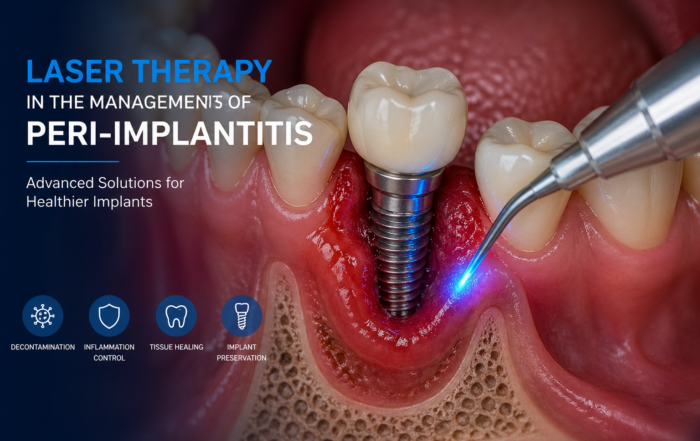
Laser Therapy in the Management of Peri-Implantitis
Laser Therapy in the Management of Peri-Implantitis Laser technology has become an increasingly valuable adjunct in the treatment of peri-implant diseases, particularly peri-implantitis. Its [...]
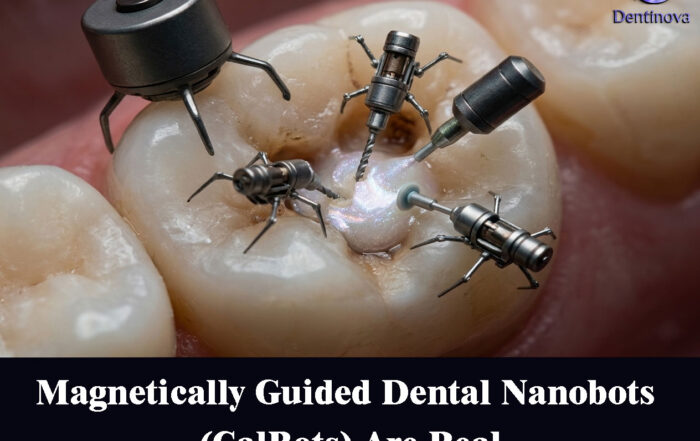
Magnetically Guided Dental Nanobots (CalBots) Are Real
Magnetically Guided Dental Nanobots (CalBots) Are Real The concept of nanobots in dentistry has long been associated with futuristic speculation. However, recent peer-reviewed research [...]
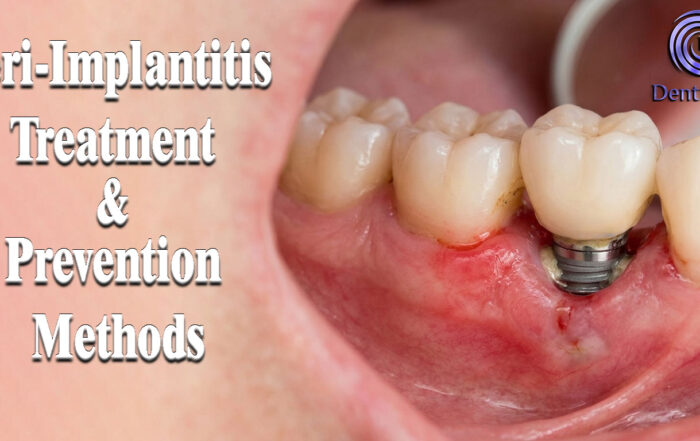
Peri-Implantitis Treatment & Prevention Methods
Peri-Implantitis Treatment & Prevention Methods Peri-implantitis remains one of the most significant biological complications affecting dental implants, posing a serious threat to long-term implant [...]