Dr.Katsu Takahashi Latest News About Tooth Regeneration Drug
At a highly anticipated conference this year, Dr. Katsu Takahashi, the pioneering Japanese dentist and scientist, officially announced the launch of new human clinical trials for his groundbreaking tooth regeneration drug. Backed by years of research and development in biomimetic science, this innovation is being brought to reality through Toregem Biopharma, the biotech startup co-founded by Dr. Takahashi to bridge laboratory success and real-world dental care.
The announcement drew global attention, as it offers hope to millions suffering from congenital tooth loss, trauma-related tooth absence, and severe dental diseases. For the first time, the possibility of regrowing natural human teeth rather than replacing them with artificial solutions is moving closer to everyday clinical practice.
How Dr. Katsu Takahashi Is Transforming Dentistry with Tooth Regeneration
For decades, dentistry has relied on repairing or replacing teeth with crowns, bridges, dentures, and implants. While these treatments work, they come with downsides: they are artificial, can fail over time, and often involve invasive procedures.
Dr. Katsu Takahashi’s vision is radically different. Instead of replacing what’s lost, his goal is to reactivate the body’s natural ability to regenerate teeth. At the conference, he explained how this approach doesn’t just fix dental problems temporarily but aims to restore a living, natural tooth—root, dentin, enamel, and all.
This shift, known as regenerative dentistry, could change dental practice from repair to true biological healing.
Dr. Katsu Takahashi’s Discovery: The P26 Peptide
The heart of this breakthrough lies in the discovery of the P26 peptide. In congenital tooth agenesis, people are born missing teeth because of genetic defects that interrupt critical signals needed for tooth formation.
Dr. Katsu Takahashi’s team identified that by delivering the P26 peptide—an antibody that blocks a natural inhibitor of tooth growth—they could restart the tooth development process. The peptide acts like a switch, reawakening dormant tooth buds and enabling them to continue growing.
In animal studies, a single dose of P26 led to the regeneration of new, fully functional teeth in mice, ferrets, and dogs. The regenerated teeth showed normal strength and appearance, bonding seamlessly with existing dental structures.
Toregem Biopharma: Bridging Science and Patient Care
To bring this innovation to patients, Dr. Katsu Takahashi co-founded Toregem Biopharma. This biotech startup is dedicated to transforming its team’s laboratory research into safe, effective therapies available to the public.
At the conference, Dr. Takahashi explained that Toregem Biopharma is collaborating with major institutions, including Kyoto University Hospital, Kitano Hospital, and is supported by Japan’s AMED (Agency for Medical Research and Development). This unique collaboration blends academic excellence, clinical expertise, and industry agility to accelerate the journey from bench to bedside.
Thanks to Toregem Biopharma, the P26 peptide has advanced to Phase I human clinical trials, marking the first real step toward tooth regeneration treatments becoming a standard option in dental clinics.
Inside the Clinical Trials: What Dr. Katsu Takahashi Revealed
During his talk, Dr. Katsu Takahashi shared details about the ongoing trials. The first phase, which began last October, focuses on confirming safety in healthy adult volunteers. If successful, the study will expand to patients with congenital tooth agenesis, particularly those born without certain permanent teeth.
The trials are designed to test:
Whether a single dose of the P26 peptide can safely trigger natural tooth growth.
How well the regenerated teeth integrate with the surrounding tissues.
The durability and long-term health of the new teeth.
If everything proceeds smoothly, Dr. Takahashi estimates that within the next few years, tooth regeneration treatments may become available for wider patient groups, including those who have lost teeth due to trauma or disease.
Global Impact: Why Dr. Katsu Takahashi’s Work Matters
Dr. Katsu Takahashi’s innovation could impact millions worldwide. Tooth agenesis affects about 0.1% of the population, which means roughly 120,000 people in Japan alone and millions globally. These patients often struggle with functional and psychological challenges from a young age.
Beyond congenital cases, the treatment could also help:
Patients who have lost teeth from accidents.
Older adults are suffering from severe tooth wear.
People with root resorption or other dental pathologies.
The potential benefits include:
Truly natural replacement: Regenerated teeth are living tissues, unlike artificial implants.
Lower long-term costs: Natural teeth can last decades, reducing the need for repeated dental work.
Improved quality of life: Patients could chew, speak, and smile confidently with their biological teeth.
How Toregem Biopharma Is Preparing for the Future
Toregem Biopharma isn’t stopping at P26. Dr. Takahashi revealed that the company is exploring:
Faster-acting formulations that reduce treatment time.
Regeneration for larger dental defects.
Combination therapies to regenerate surrounding bone and gum tissue.
Potential applications beyond dentistry, such as craniofacial bone regeneration.
The goal is to build a full pipeline of regenerative treatments, positioning Toregem Biopharma as a leader in biologically driven dental care.
Dr. Katsu Takahashi’s Vision: Redefining Regenerative Dentistry
In his conference address, Dr. Katsu Takahashi emphasized a shift in dental care: moving from mechanical repair to biological healing. This is more than a technological breakthrough; it’s a philosophical change in how we view oral health.
Instead of accepting tooth loss as inevitable and treating it with artificial substitutes, the next generation of dentists might help patients regrow their teeth, rooted in living tissue and capable of adapting naturally over a lifetime.
This approach could not only change treatment outcomes but also redefine patient confidence, comfort, and trust in dental care.
Challenges and the Road Ahead
Despite the excitement, Dr. Katsu Takahashi acknowledged challenges:
Securing regulatory approval for first-in-class regenerative drugs.
Scaling up production to meet global demand.
Ensuring treatments are accessible and affordable to patients.
However, with dedicated partnerships, funding, and continued research, Dr. Takahashi remains optimistic that these challenges can be overcome.
Why Dr. Katsu Takahashi’s Tooth Regeneration Trials Are Historic
For the first time, the idea of growing new human teeth isn’t limited to science fiction or theoretical biology.
Thanks to the vision of Dr. Katsu Takahashi, the dedication of his team, and the work of Toregem Biopharma, clinical trials are now underway to test whether we can truly unlock the body’s natural ability to replace lost teeth.
If successful, these trials could mark the beginning of an era where natural, living teeth replace crowns, dentures, and implants—restoring smiles and changing lives worldwide.
Final Thoughts
At his recent conference, Dr. Katsu Takahashi didn’t just share data; he shared hope. Backed by science, supported by Toregem Biopharma, and fueled by a clear vision, this project is poised to revolutionize dentistry.
Whether for children born without teeth, adults who lose them to injury, or seniors seeking better solutions, this research shows that the future of regenerative dentistry is closer than we think.
The age of biological tooth regeneration isn’t coming; it’s already beginning.
🦷 Frequently Asked Questions About Dr Katsu Takahashi’s Tooth Regrowth Drug
1. What is Dr Katsu Takahashi’s tooth regrowth drug?
Dr Katsu Takahashi’s tooth regrowth drug, known as P26 peptide, is a groundbreaking regenerative therapy developed to stimulate the natural regrowth of human teeth. It works by activating dormant stem cells in the jawbone to form new dental tissue instead of relying on implants or dentures.
2. How does the P26 peptide promote tooth regeneration?
The P26 peptide targets a key protein that controls tooth development in embryos. By reactivating this biological pathway in adults, it encourages the formation of new dental structures such as dentin and enamel, leading to the regrowth of a natural tooth.
3. When did the human clinical trials for the drug begin?
Human clinical trials officially began in July 2024 under the supervision of Toregem Biopharma and Dr Katsu Takahashi at Kyoto University Hospital. These trials mark the world’s first attempt to regrow teeth in humans using a peptide-based medication.
4. Who can benefit from the tooth regrowth treatment?
The treatment is initially being tested on patients with congenital tooth agenesis — a condition where one or more teeth never develop. However, future trials aim to include adults who have lost teeth due to decay, trauma, or periodontal disease, expanding potential use to millions of people worldwide.
5. Is the tooth regrowth drug safe?
So far, animal studies and early-phase human trials have shown promising safety results, with no severe side effects reported. The drug is administered through a controlled injection, and all participants are closely monitored under clinical conditions.
6. When will the tooth regrowth drug be available to the public?
If clinical trials continue to show positive results, Toregem Biopharma anticipates commercial availability by 2030. However, this timeline depends on the outcomes of ongoing safety and efficacy trials as well as international regulatory approvals.
7. How is this research different from dental implants or stem cell therapy?
Unlike implants that replace lost teeth with artificial materials, this therapy regenerates a patient’s natural tooth from within the jaw. It also avoids the complexities of stem cell transplants by using a synthetic peptide to activate the body’s own regenerative potential.
8. What could this breakthrough mean for dentistry in the future?
If successful, Dr Takahashi’s research could redefine restorative dentistry, offering a permanent, biological alternative to implants, bridges, and dentures. It may also open doors for new regenerative treatments in periodontal repair and maxillofacial reconstruction.
Recent Articles


















At a highly anticipated conference this year, Dr. Katsu Takahashi, the pioneering Japanese dentist and scientist, officially announced the launch of new human clinical trials for his groundbreaking tooth regeneration drug. Backed by years of research and development in biomimetic science, this innovation is being brought to reality through Toregem Biopharma, the biotech startup co-founded by Dr. Takahashi to bridge laboratory success and real-world dental care.
The announcement drew global attention, as it offers hope to millions suffering from congenital tooth loss, trauma-related tooth absence, and severe dental diseases. For the first time, the possibility of regrowing natural human teeth rather than replacing them with artificial solutions is moving closer to everyday clinical practice.
How Dr. Katsu Takahashi Is Transforming Dentistry with Tooth Regeneration
For decades, dentistry has relied on repairing or replacing teeth with crowns, bridges, dentures, and implants. While these treatments work, they come with downsides: they are artificial, can fail over time, and often involve invasive procedures.
Dr. Katsu Takahashi’s vision is radically different. Instead of replacing what’s lost, his goal is to reactivate the body’s natural ability to regenerate teeth. At the conference, he explained how this approach doesn’t just fix dental problems temporarily but aims to restore a living, natural tooth—root, dentin, enamel, and all.
This shift, known as regenerative dentistry, could change dental practice from repair to true biological healing.
Dr. Katsu Takahashi’s Discovery: The P26 Peptide
The heart of this breakthrough lies in the discovery of the P26 peptide. In congenital tooth agenesis, people are born missing teeth because of genetic defects that interrupt critical signals needed for tooth formation.
Dr. Katsu Takahashi’s team identified that by delivering the P26 peptide—an antibody that blocks a natural inhibitor of tooth growth—they could restart the tooth development process. The peptide acts like a switch, reawakening dormant tooth buds and enabling them to continue growing.
In animal studies, a single dose of P26 led to the regeneration of new, fully functional teeth in mice, ferrets, and dogs. The regenerated teeth showed normal strength and appearance, bonding seamlessly with existing dental structures.
Toregem Biopharma: Bridging Science and Patient Care
To bring this innovation to patients, Dr. Katsu Takahashi co-founded Toregem Biopharma. This biotech startup is dedicated to transforming its team’s laboratory research into safe, effective therapies available to the public.
At the conference, Dr. Takahashi explained that Toregem Biopharma is collaborating with major institutions, including Kyoto University Hospital, Kitano Hospital, and is supported by Japan’s AMED (Agency for Medical Research and Development). This unique collaboration blends academic excellence, clinical expertise, and industry agility to accelerate the journey from bench to bedside.
Thanks to Toregem Biopharma, the P26 peptide has advanced to Phase I human clinical trials, marking the first real step toward tooth regeneration treatments becoming a standard option in dental clinics.
Inside the Clinical Trials: What Dr. Katsu Takahashi Revealed
During his talk, Dr. Katsu Takahashi shared details about the ongoing trials. The first phase, which began last October, focuses on confirming safety in healthy adult volunteers. If successful, the study will expand to patients with congenital tooth agenesis, particularly those born without certain permanent teeth.
The trials are designed to test:
Whether a single dose of the P26 peptide can safely trigger natural tooth growth.
How well the regenerated teeth integrate with the surrounding tissues.
The durability and long-term health of the new teeth.
If everything proceeds smoothly, Dr. Takahashi estimates that within the next few years, tooth regeneration treatments may become available for wider patient groups, including those who have lost teeth due to trauma or disease.
Global Impact: Why Dr. Katsu Takahashi’s Work Matters
Dr. Katsu Takahashi’s innovation could impact millions worldwide. Tooth agenesis affects about 0.1% of the population, which means roughly 120,000 people in Japan alone and millions globally. These patients often struggle with functional and psychological challenges from a young age.
Beyond congenital cases, the treatment could also help:
Patients who have lost teeth from accidents.
Older adults are suffering from severe tooth wear.
People with root resorption or other dental pathologies.
The potential benefits include:
Truly natural replacement: Regenerated teeth are living tissues, unlike artificial implants.
Lower long-term costs: Natural teeth can last decades, reducing the need for repeated dental work.
Improved quality of life: Patients could chew, speak, and smile confidently with their biological teeth.
How Toregem Biopharma Is Preparing for the Future
Toregem Biopharma isn’t stopping at P26. Dr. Takahashi revealed that the company is exploring:
Faster-acting formulations that reduce treatment time.
Regeneration for larger dental defects.
Combination therapies to regenerate surrounding bone and gum tissue.
Potential applications beyond dentistry, such as craniofacial bone regeneration.
The goal is to build a full pipeline of regenerative treatments, positioning Toregem Biopharma as a leader in biologically driven dental care.
Dr. Katsu Takahashi’s Vision: Redefining Regenerative Dentistry
In his conference address, Dr. Katsu Takahashi emphasized a shift in dental care: moving from mechanical repair to biological healing. This is more than a technological breakthrough; it’s a philosophical change in how we view oral health.
Instead of accepting tooth loss as inevitable and treating it with artificial substitutes, the next generation of dentists might help patients regrow their teeth, rooted in living tissue and capable of adapting naturally over a lifetime.
This approach could not only change treatment outcomes but also redefine patient confidence, comfort, and trust in dental care.
Challenges and the Road Ahead
Despite the excitement, Dr. Katsu Takahashi acknowledged challenges:
Securing regulatory approval for first-in-class regenerative drugs.
Scaling up production to meet global demand.
Ensuring treatments are accessible and affordable to patients.
However, with dedicated partnerships, funding, and continued research, Dr. Takahashi remains optimistic that these challenges can be overcome.
Why Dr. Katsu Takahashi’s Tooth Regeneration Trials Are Historic
For the first time, the idea of growing new human teeth isn’t limited to science fiction or theoretical biology.
Thanks to the vision of Dr. Katsu Takahashi, the dedication of his team, and the work of Toregem Biopharma, clinical trials are now underway to test whether we can truly unlock the body’s natural ability to replace lost teeth.
If successful, these trials could mark the beginning of an era where natural, living teeth replace crowns, dentures, and implants—restoring smiles and changing lives worldwide.
Final Thoughts
At his recent conference, Dr. Katsu Takahashi didn’t just share data; he shared hope. Backed by science, supported by Toregem Biopharma, and fueled by a clear vision, this project is poised to revolutionize dentistry.
Whether for children born without teeth, adults who lose them to injury, or seniors seeking better solutions, this research shows that the future of regenerative dentistry is closer than we think.
The age of biological tooth regeneration isn’t coming; it’s already beginning.
🦷 Frequently Asked Questions About Dr Katsu Takahashi’s Tooth Regrowth Drug
1. What is Dr Katsu Takahashi’s tooth regrowth drug?
Dr Katsu Takahashi’s tooth regrowth drug, known as P26 peptide, is a groundbreaking regenerative therapy developed to stimulate the natural regrowth of human teeth. It works by activating dormant stem cells in the jawbone to form new dental tissue instead of relying on implants or dentures.
2. How does the P26 peptide promote tooth regeneration?
The P26 peptide targets a key protein that controls tooth development in embryos. By reactivating this biological pathway in adults, it encourages the formation of new dental structures such as dentin and enamel, leading to the regrowth of a natural tooth.
3. When did the human clinical trials for the drug begin?
Human clinical trials officially began in July 2024 under the supervision of Toregem Biopharma and Dr Katsu Takahashi at Kyoto University Hospital. These trials mark the world’s first attempt to regrow teeth in humans using a peptide-based medication.
4. Who can benefit from the tooth regrowth treatment?
The treatment is initially being tested on patients with congenital tooth agenesis — a condition where one or more teeth never develop. However, future trials aim to include adults who have lost teeth due to decay, trauma, or periodontal disease, expanding potential use to millions of people worldwide.
5. Is the tooth regrowth drug safe?
So far, animal studies and early-phase human trials have shown promising safety results, with no severe side effects reported. The drug is administered through a controlled injection, and all participants are closely monitored under clinical conditions.
6. When will the tooth regrowth drug be available to the public?
If clinical trials continue to show positive results, Toregem Biopharma anticipates commercial availability by 2030. However, this timeline depends on the outcomes of ongoing safety and efficacy trials as well as international regulatory approvals.
7. How is this research different from dental implants or stem cell therapy?
Unlike implants that replace lost teeth with artificial materials, this therapy regenerates a patient’s natural tooth from within the jaw. It also avoids the complexities of stem cell transplants by using a synthetic peptide to activate the body’s own regenerative potential.
8. What could this breakthrough mean for dentistry in the future?
If successful, Dr Takahashi’s research could redefine restorative dentistry, offering a permanent, biological alternative to implants, bridges, and dentures. It may also open doors for new regenerative treatments in periodontal repair and maxillofacial reconstruction.
Recent Articles
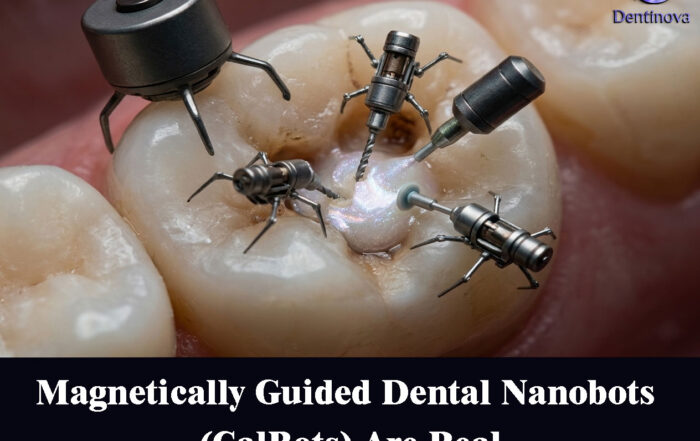
Magnetically Guided Dental Nanobots (CalBots) Are Real
Magnetically Guided Dental Nanobots (CalBots) Are Real The concept of nanobots in dentistry has long been associated with futuristic speculation. However, recent peer-reviewed research [...]
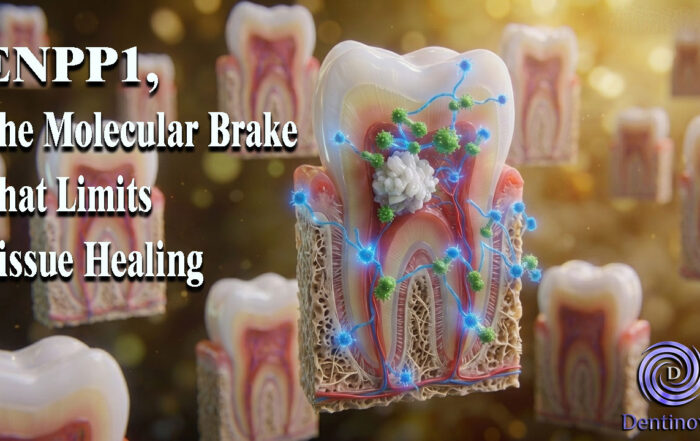
ENPP1, The Molecular Brake That Limits Tissue Healing
ENPP1, The Molecular Brake That Limits Tissue Healing Introduction: A New Biological Barrier to Dental Regeneration Meet ENPP1—a protein most dentists have never heard [...]
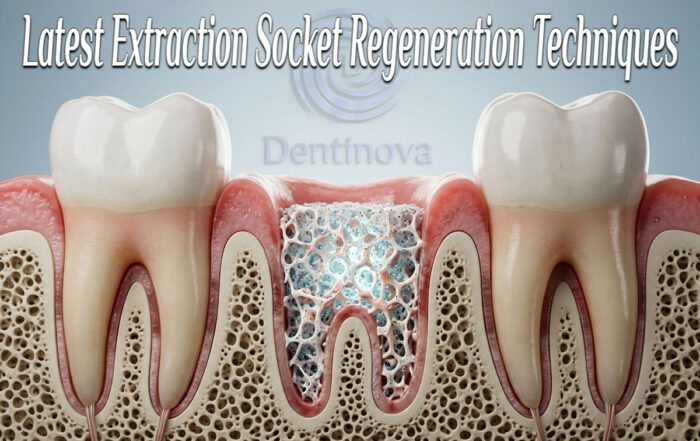
Latest Extraction Socket Regeneration Techniques
Latest Extraction Socket Regeneration Techniques Introduction The alveolar bone surrounding a tooth is a highly specialized structure characterized by a distinctive microarchitecture. One of [...]
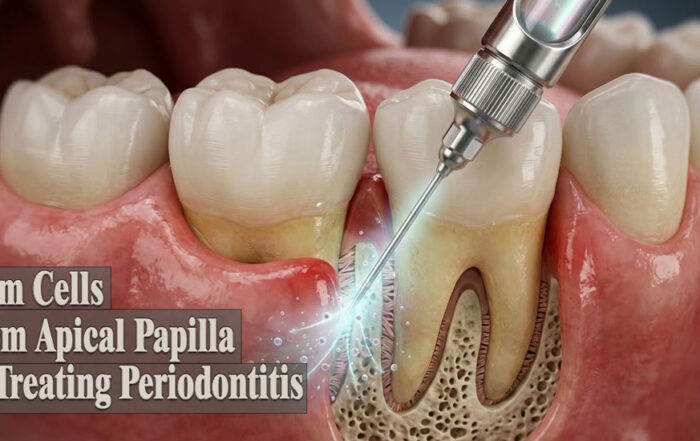
Stem Cells from Apical Papilla in Treating Periodontitis
Stem Cells from Apical Papilla in Treating Periodontitis Introduction Periodontitis remains one of the most prevalent chronic inflammatory diseases affecting the oral cavity. Characterized [...]
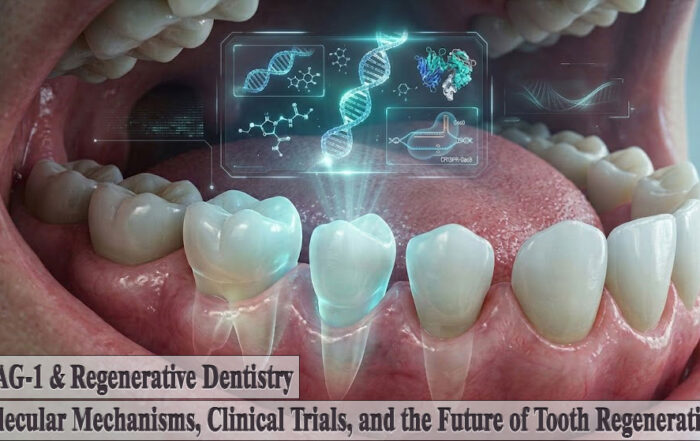
USAG-1 and Regenerative Dentistry: Mechanisms & Trials
USAG-1 and Regenerative Dentistry Molecular Mechanisms, Clinical Trials, and the Future of Tooth Regeneration Keywords: USAG-1, SOSTDC1, regenerative dentistry, tooth regeneration therapy, BMP signaling, [...]
Endodontic Regeneration Therapy: Strategies & Solutions
Endodontic Regeneration Therapy The Future of Pulp and Periapical Tissue Healing Endodontic regeneration therapy represents a paradigm shift in modern dentistry. Instead of merely [...]