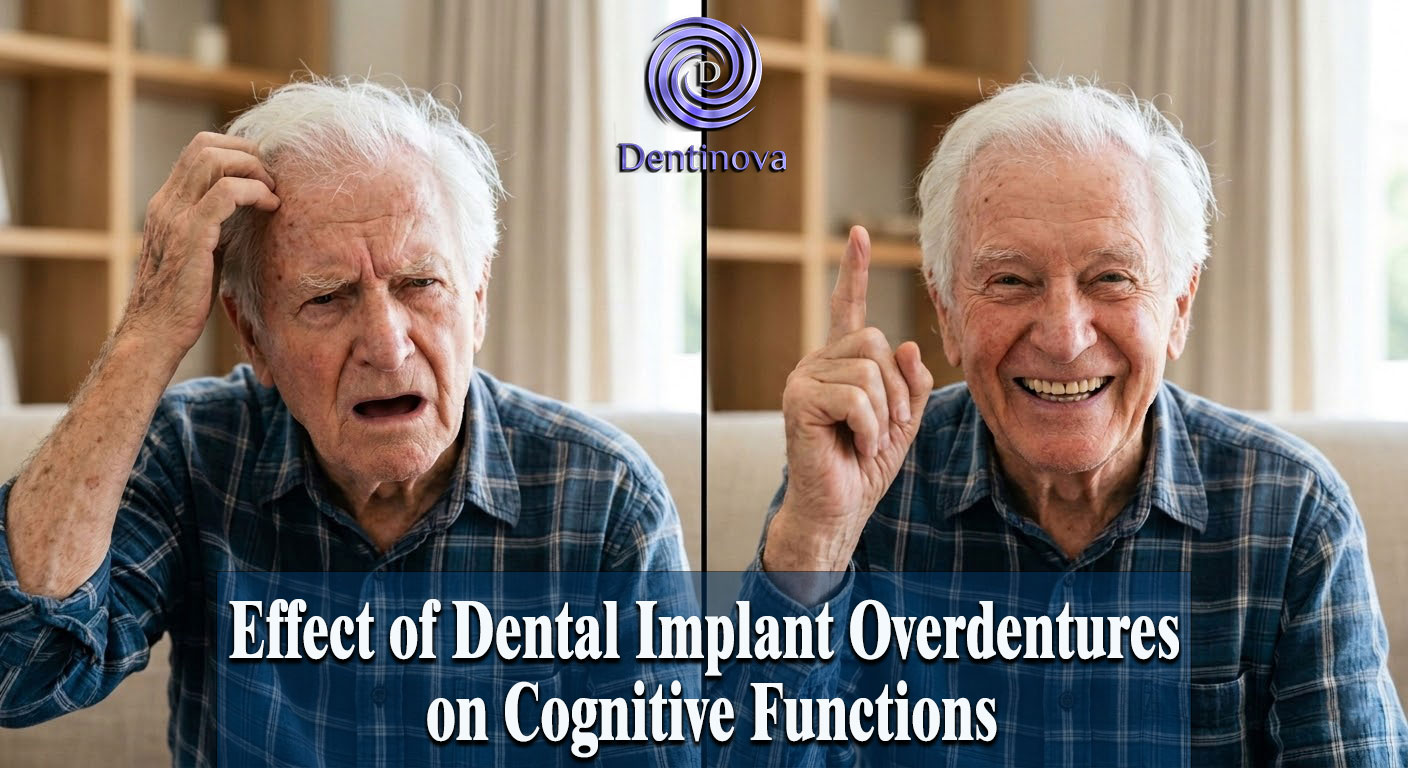
Effect of Dental Implant Overdentures on Cognitive Functions
Recent research increasingly highlights the link between oral health and brain function, suggesting that tooth loss and periodontal disease may influence cognitive decline and dementia. Systematic reviews and meta-analyses have consistently shown that individuals with missing teeth or untreated periodontitis are at a higher risk for developing cognitive impairments over time. While it might seem intuitive to assume that cognitive decline causes poor oral hygiene, prospective studies following individuals over several years indicate that tooth loss itself may be an independent predictor of future cognitive decline. Interestingly, the risk appears to increase with the number of missing teeth, making oral health a critical factor in maintaining cognitive function.
Understanding the Link Between Tooth Loss and Dementia
Several confounding factors contribute to the observed association between tooth loss and dementia. Low socioeconomic status and poor diet are common pathways that can lead both to oral health problems and cognitive decline. However, even studies that control for these factors find a significant correlation, suggesting that tooth loss may be more than just a coincidental marker of broader health issues. Genetic studies also indicate that a predisposition to periodontitis is not directly linked to Alzheimer’s disease, pointing toward environmental and lifestyle factors as shared contributors. Another consideration is intelligence: individuals with higher IQs tend to maintain better oral hygiene and experience delayed onset of dementia, potentially due to a greater cognitive reserve.
Potential Biological Mechanisms Beyond Inflammation
While chronic inflammation from periodontal disease has long been suspected as a contributor to cognitive decline, recent studies suggest additional mechanisms. Research in animal models has shown that the periodontitis-causing bacteria Porphyromonas gingivalis can migrate to the brain, triggering an increase in amyloid-beta, a hallmark protein of Alzheimer’s disease. Subsequent studies have detected the bacteria in human Alzheimer’s brains, prompting ongoing clinical trials to determine whether targeting these pathogens may provide therapeutic benefits. This evidence suggests that oral pathogens could play a direct neurotoxic role in cognitive deterioration, beyond the systemic inflammation previously implicated.
The Role of Mastication in Brain Health
Intriguingly, tooth loss without the use of dentures appears to have a stronger link to dementia than tooth loss with dentures, hinting at the importance of mastication, or chewing, in cognitive function. Research compiled in the review “Mastication for the Mind” suggests that chewing itself may stimulate brain activity and maintain cognitive health. Animal studies demonstrate that aged mice with extracted teeth or those fed a soft diet exhibit significant declines in learning and memory, implying that the mechanical act of chewing may influence neural function. Human studies using ultrasound and functional MRI have shown that jaw clenching or gum chewing increases cerebral blood flow and activates brain regions associated with cognitive processing, although results on immediate cognitive benefits remain mixed.
Dental Prosthetics and Cognitive Improvement
Further evidence for the connection between oral sensation and brain function comes from studies on asymmetrical dental loss. Individuals missing molars on one side of the mouth often show asymmetrical pupil size, with the smaller pupil on the side lacking teeth. Implanting dental crowns to replace missing teeth appears to correct this discrepancy, suggesting that restoring normal occlusion and dental feedback can positively influence brain function. These findings support the idea that secure dental prosthetics do more than restore aesthetics—they may enhance neurological stimulation and cognitive processing.
Impact of Implant Overdentures on Cognition
A small but revealing pilot study investigated the cognitive effects of dental implant overdentures. Ten individuals who were fully edentulous and cognitively impaired received conventional dentures for one month, followed by overdentures securely attached to titanium implants. Conventional dentures, held in place by adhesives and natural suction, did not significantly improve cognitive performance. In contrast, overdentures anchored to the jawbone showed dramatic effects: eight out of ten participants who were initially cognitively impaired achieved normal cognitive function after receiving implant-supported dentures. This evidence suggests that the tactile feedback and secure occlusion provided by implant overdentures can significantly stimulate brain function, highlighting the critical role of proper prosthetic design in both oral and neurological health.
Beyond Dentures: Preserving Natural Teeth
While implant overdentures offer a powerful tool for mitigating cognitive decline in individuals with extensive tooth loss, the ultimate goal remains preserving natural teeth. Maintaining oral health through preventive care, regular dental visits, and proper hygiene not only improves quality of life but may also serve as a protective factor against cognitive deterioration. Early interventions for periodontal disease, timely restorations, and modern prosthetic solutions like implant-supported overdentures together provide a comprehensive strategy to support both dental and cognitive well-being.
Clinical and Lifestyle Implications
The relationship between oral health and cognitive function underscores the importance of integrating dental care into broader health and lifestyle strategies. Healthcare providers should recognize tooth loss and poor oral hygiene as potential early markers for cognitive decline, promoting early interventions. For older adults with extensive tooth loss, implant-supported overdentures may not only improve nutrition, self-confidence, and social engagement but could also provide a meaningful boost to brain function. In addition, public health initiatives targeting nutrition, socioeconomic disparities, and access to dental care may indirectly contribute to cognitive health, reinforcing the interconnectedness of oral and systemic health.
Conclusion
Emerging evidence suggests that tooth loss and poor oral health are more than cosmetic or functional concerns—they are significant factors influencing cognitive decline and dementia risk. Implant-supported overdentures provide a compelling solution, restoring the mechanical and sensory stimulation of natural teeth, and in turn, supporting cognitive function. These findings highlight the broader role of dentistry in maintaining overall health and suggest that interventions focused on preserving or restoring oral function may have profound implications for brain health. Preventive care, timely restorations, and secure prosthetic solutions like implant overdentures are crucial not only for oral well-being but also for maintaining mental acuity and quality of life.
Frequently Asked Questions (FAQ)
1. Can tooth loss increase the risk of cognitive decline?
Yes. Studies show that tooth loss is associated with a higher risk of cognitive impairment and dementia. The risk increases with the number of missing teeth, suggesting a direct connection between oral health and brain function.
2. How does periodontitis affect cognitive health?
Periodontitis may contribute to cognitive decline through chronic inflammation and bacterial infection. For example, Porphyromonas gingivalis, a key bacteria in periodontitis, can migrate to the brain and trigger amyloid-beta plaque formation, a hallmark of Alzheimer’s disease.
3. Does wearing dentures reduce the risk of dementia?
Yes, wearing dentures may reduce the risk. Studies indicate that tooth loss without dentures is linked to dementia, while using dentures mitigates this risk. Properly fitting dentures restore chewing ability, which may stimulate brain function.
4. What are dental implant overdentures?
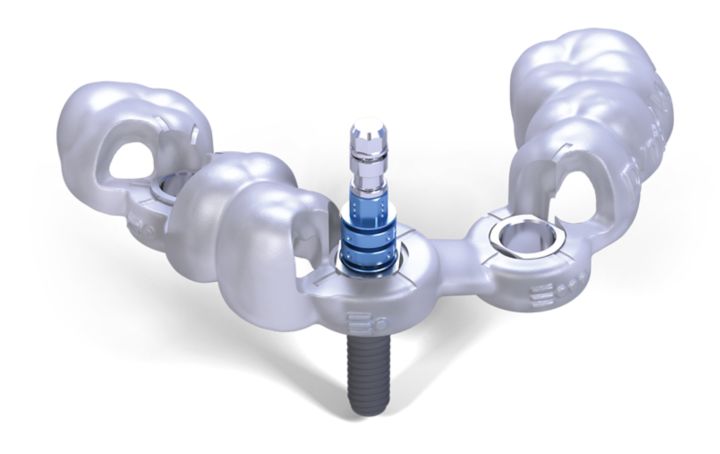
Dental implant overdentures are removable dentures that are securely anchored to titanium implants surgically placed in the jawbone. They provide better stability than conventional dentures and help restore normal chewing forces and oral sensation.
5. Can dental implant overdentures improve cognitive function?
Yes. A pilot study showed that edentulous individuals with cognitive impairment experienced significant improvement in cognitive function after receiving implant-supported overdentures, while conventional dentures did not produce the same effect.
6. How does chewing affect the brain?
Chewing, or mastication, stimulates brain activity, increases cerebral blood flow, and enhances cognitive arousal. Animal and human studies suggest that reduced chewing due to tooth loss or soft diets may impair memory and learning abilities.
7. Is inflammation the only link between oral health and dementia?
No. Beyond chronic inflammation, research suggests that bacterial migration from periodontitis to the brain, as well as reduced sensory stimulation from missing teeth, may contribute to cognitive decline.
8. Why are implant-supported dentures more effective than conventional dentures?
Implant-supported dentures are firmly anchored to the jawbone, restoring natural chewing pressure and sensory input. This enhanced stimulation may support neural pathways and improve cognitive performance, unlike conventional dentures held by adhesives or suction.
9. Can preserving natural teeth prevent cognitive decline?
Yes. Maintaining natural teeth through good oral hygiene, regular dental visits, and early treatment of periodontal disease can reduce the risk of cognitive impairment and support overall brain health.
10. Should dental care be considered part of cognitive health management?
Absolutely. Oral health is closely linked to cognitive function. Preventive care, proper restorations, and secure prosthetic solutions like implant overdentures can play an important role in maintaining mental acuity and quality of life in older adults.
Reference:
Recent Articles
























Recent research increasingly highlights the link between oral health and brain function, suggesting that tooth loss and periodontal disease may influence cognitive decline and dementia. Systematic reviews and meta-analyses have consistently shown that individuals with missing teeth or untreated periodontitis are at a higher risk for developing cognitive impairments over time. While it might seem intuitive to assume that cognitive decline causes poor oral hygiene, prospective studies following individuals over several years indicate that tooth loss itself may be an independent predictor of future cognitive decline. Interestingly, the risk appears to increase with the number of missing teeth, making oral health a critical factor in maintaining cognitive function.
Understanding the Link Between Tooth Loss and Dementia
Several confounding factors contribute to the observed association between tooth loss and dementia. Low socioeconomic status and poor diet are common pathways that can lead both to oral health problems and cognitive decline. However, even studies that control for these factors find a significant correlation, suggesting that tooth loss may be more than just a coincidental marker of broader health issues. Genetic studies also indicate that a predisposition to periodontitis is not directly linked to Alzheimer’s disease, pointing toward environmental and lifestyle factors as shared contributors. Another consideration is intelligence: individuals with higher IQs tend to maintain better oral hygiene and experience delayed onset of dementia, potentially due to a greater cognitive reserve.
Potential Biological Mechanisms Beyond Inflammation
While chronic inflammation from periodontal disease has long been suspected as a contributor to cognitive decline, recent studies suggest additional mechanisms. Research in animal models has shown that the periodontitis-causing bacteria Porphyromonas gingivalis can migrate to the brain, triggering an increase in amyloid-beta, a hallmark protein of Alzheimer’s disease. Subsequent studies have detected the bacteria in human Alzheimer’s brains, prompting ongoing clinical trials to determine whether targeting these pathogens may provide therapeutic benefits. This evidence suggests that oral pathogens could play a direct neurotoxic role in cognitive deterioration, beyond the systemic inflammation previously implicated.
The Role of Mastication in Brain Health
Intriguingly, tooth loss without the use of dentures appears to have a stronger link to dementia than tooth loss with dentures, hinting at the importance of mastication, or chewing, in cognitive function. Research compiled in the review “Mastication for the Mind” suggests that chewing itself may stimulate brain activity and maintain cognitive health. Animal studies demonstrate that aged mice with extracted teeth or those fed a soft diet exhibit significant declines in learning and memory, implying that the mechanical act of chewing may influence neural function. Human studies using ultrasound and functional MRI have shown that jaw clenching or gum chewing increases cerebral blood flow and activates brain regions associated with cognitive processing, although results on immediate cognitive benefits remain mixed.
Dental Prosthetics and Cognitive Improvement
Further evidence for the connection between oral sensation and brain function comes from studies on asymmetrical dental loss. Individuals missing molars on one side of the mouth often show asymmetrical pupil size, with the smaller pupil on the side lacking teeth. Implanting dental crowns to replace missing teeth appears to correct this discrepancy, suggesting that restoring normal occlusion and dental feedback can positively influence brain function. These findings support the idea that secure dental prosthetics do more than restore aesthetics—they may enhance neurological stimulation and cognitive processing.
Impact of Implant Overdentures on Cognition
A small but revealing pilot study investigated the cognitive effects of dental implant overdentures. Ten individuals who were fully edentulous and cognitively impaired received conventional dentures for one month, followed by overdentures securely attached to titanium implants. Conventional dentures, held in place by adhesives and natural suction, did not significantly improve cognitive performance. In contrast, overdentures anchored to the jawbone showed dramatic effects: eight out of ten participants who were initially cognitively impaired achieved normal cognitive function after receiving implant-supported dentures. This evidence suggests that the tactile feedback and secure occlusion provided by implant overdentures can significantly stimulate brain function, highlighting the critical role of proper prosthetic design in both oral and neurological health.
Beyond Dentures: Preserving Natural Teeth
While implant overdentures offer a powerful tool for mitigating cognitive decline in individuals with extensive tooth loss, the ultimate goal remains preserving natural teeth. Maintaining oral health through preventive care, regular dental visits, and proper hygiene not only improves quality of life but may also serve as a protective factor against cognitive deterioration. Early interventions for periodontal disease, timely restorations, and modern prosthetic solutions like implant-supported overdentures together provide a comprehensive strategy to support both dental and cognitive well-being.
Clinical and Lifestyle Implications
The relationship between oral health and cognitive function underscores the importance of integrating dental care into broader health and lifestyle strategies. Healthcare providers should recognize tooth loss and poor oral hygiene as potential early markers for cognitive decline, promoting early interventions. For older adults with extensive tooth loss, implant-supported overdentures may not only improve nutrition, self-confidence, and social engagement but could also provide a meaningful boost to brain function. In addition, public health initiatives targeting nutrition, socioeconomic disparities, and access to dental care may indirectly contribute to cognitive health, reinforcing the interconnectedness of oral and systemic health.
Conclusion
Emerging evidence suggests that tooth loss and poor oral health are more than cosmetic or functional concerns—they are significant factors influencing cognitive decline and dementia risk. Implant-supported overdentures provide a compelling solution, restoring the mechanical and sensory stimulation of natural teeth, and in turn, supporting cognitive function. These findings highlight the broader role of dentistry in maintaining overall health and suggest that interventions focused on preserving or restoring oral function may have profound implications for brain health. Preventive care, timely restorations, and secure prosthetic solutions like implant overdentures are crucial not only for oral well-being but also for maintaining mental acuity and quality of life.
Frequently Asked Questions (FAQ)
1. Can tooth loss increase the risk of cognitive decline?
Yes. Studies show that tooth loss is associated with a higher risk of cognitive impairment and dementia. The risk increases with the number of missing teeth, suggesting a direct connection between oral health and brain function.
2. How does periodontitis affect cognitive health?
Periodontitis may contribute to cognitive decline through chronic inflammation and bacterial infection. For example, Porphyromonas gingivalis, a key bacteria in periodontitis, can migrate to the brain and trigger amyloid-beta plaque formation, a hallmark of Alzheimer’s disease.
3. Does wearing dentures reduce the risk of dementia?
Yes, wearing dentures may reduce the risk. Studies indicate that tooth loss without dentures is linked to dementia, while using dentures mitigates this risk. Properly fitting dentures restore chewing ability, which may stimulate brain function.
4. What are dental implant overdentures?
Dental implant overdentures are removable dentures that are securely anchored to titanium implants surgically placed in the jawbone. They provide better stability than conventional dentures and help restore normal chewing forces and oral sensation.
5. Can dental implant overdentures improve cognitive function?
Yes. A pilot study showed that edentulous individuals with cognitive impairment experienced significant improvement in cognitive function after receiving implant-supported overdentures, while conventional dentures did not produce the same effect.
6. How does chewing affect the brain?
Chewing, or mastication, stimulates brain activity, increases cerebral blood flow, and enhances cognitive arousal. Animal and human studies suggest that reduced chewing due to tooth loss or soft diets may impair memory and learning abilities.
7. Is inflammation the only link between oral health and dementia?
No. Beyond chronic inflammation, research suggests that bacterial migration from periodontitis to the brain, as well as reduced sensory stimulation from missing teeth, may contribute to cognitive decline.
8. Why are implant-supported dentures more effective than conventional dentures?
Implant-supported dentures are firmly anchored to the jawbone, restoring natural chewing pressure and sensory input. This enhanced stimulation may support neural pathways and improve cognitive performance, unlike conventional dentures held by adhesives or suction.
9. Can preserving natural teeth prevent cognitive decline?
Yes. Maintaining natural teeth through good oral hygiene, regular dental visits, and early treatment of periodontal disease can reduce the risk of cognitive impairment and support overall brain health.
10. Should dental care be considered part of cognitive health management?
Absolutely. Oral health is closely linked to cognitive function. Preventive care, proper restorations, and secure prosthetic solutions like implant overdentures can play an important role in maintaining mental acuity and quality of life in older adults.
Reference:
Recent Articles
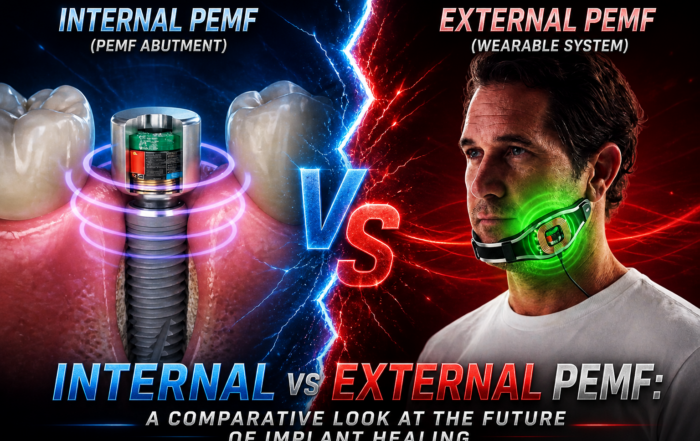
Pulsed Electromagnetic Field (PEMF) Use in Implant Dentistry
Pulsed Electromagnetic Field (PEMF) Use in Implant Dentistry Abstract and Historical Background Pulsed Electromagnetic Field (PEMF) therapy refers to the application of low-frequency electromagnetic [...]
Laser Therapy in the Management of Peri-Implantitis
Laser Therapy in the Management of Peri-Implantitis Laser technology has become an increasingly valuable adjunct in the treatment of peri-implant diseases, particularly peri-implantitis. Its [...]
Magnetically Guided Dental Nanobots (CalBots) Are Real
Magnetically Guided Dental Nanobots (CalBots) Are Real The concept of nanobots in dentistry has long been associated with futuristic speculation. However, recent peer-reviewed research [...]
Peri-Implantitis Treatment & Prevention Methods
Peri-Implantitis Treatment & Prevention Methods Peri-implantitis remains one of the most significant biological complications affecting dental implants, posing a serious threat to long-term implant [...]
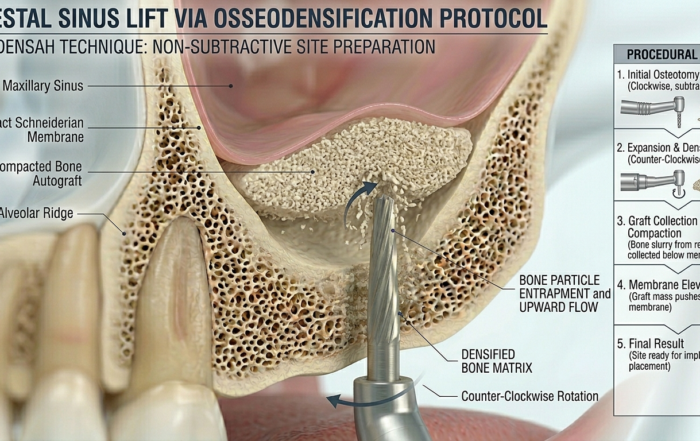
Latest Sinus Lifting Techniques in Modern Implant Dentistry
Latest Sinus Lifting Techniques in Modern Implant Dentistry A Comprehensive Clinical Review Introduction to Sinus Lifting in Implantology Sinus lifting, or maxillary sinus floor [...]
Biomechanics of the Triple Abutment & BOPiT Concept
Dental Biomechanics · Implant Science · Clinical Evidence Biomechanics of the Triple Abutment & BOPiT Concept How a saddle-shaped mathematical surface is rewriting the rules of load distribution [...]