Not All Dental Plaque is Evil: Some Bacteria Might Be Your Mouth’s Best Friends!
🧪 What Is Dental Plaque?
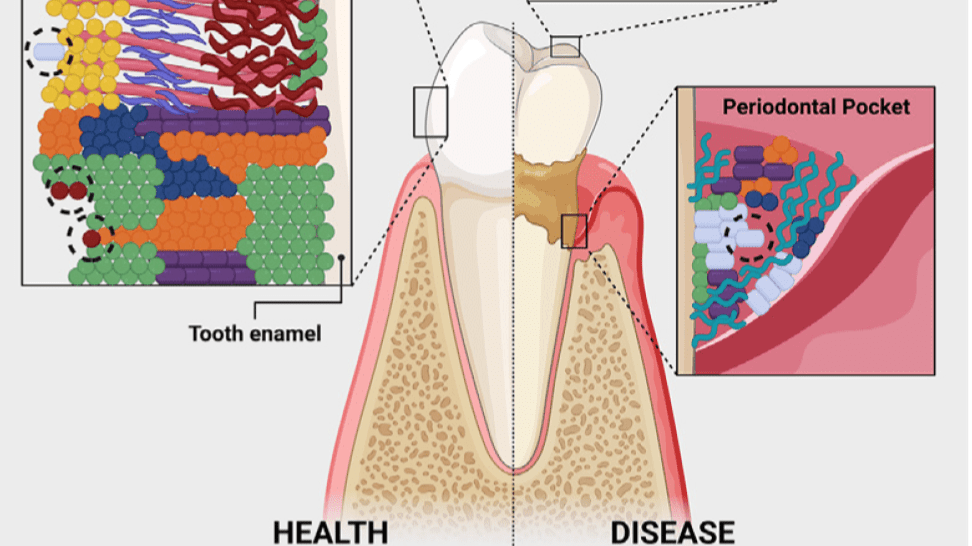
Dental plaque isn’t just goo stuck on your teeth. It’s a complex biofilm, a sticky, structured community of bacteria, fungi, and viruses. These tiny tenants stack, swirl, and organize themselves in dazzling structures—like bacterial skyscrapers!
Think of your mouth as a real estate market for microbes: prime tooth surfaces get snapped up quickly, and each microbe wants the best view (or the most sugar).
When we hear the word dental plaque, most of us picture a villain hiding in our mouths, waiting to wreak havoc. Dentists warn us about it. Toothbrush ads demonize it. And let’s be honest, most of us try to scrub it out of existence twice a day (if not more).
Image source: https://jadafs.ada.org/cms/10.1016/j.jfscie.2025.100051/asset/5eb2375c-186d-4a47-80f0-da661649b7c2/main.assets/ga1.jpg)
But here’s the twist: some plaque bacteria are good for your health.
That’s right. According to groundbreaking research published in JADA Foundational Science by scientists Jessica Mark Welch and Gary Borisy, dental plaque isn’t just a nasty film; it’s a bustling microbial neighborhood, and just like any community, some residents are helpful, and others… not so much.
Let’s dive into this microscopic city and uncover who’s who in the plaque zoo.
🌱 Meet the Good Guys: Bacteria That Help, Not Hurt
One of the stars of the microbial show is Corynebacterium matruchotii, a name that sounds like it belongs in a Harry Potter spellbook.
But this bacterium is a builder, not a brawler.
🧱 Why C. matruchotii Is a Big Deal:
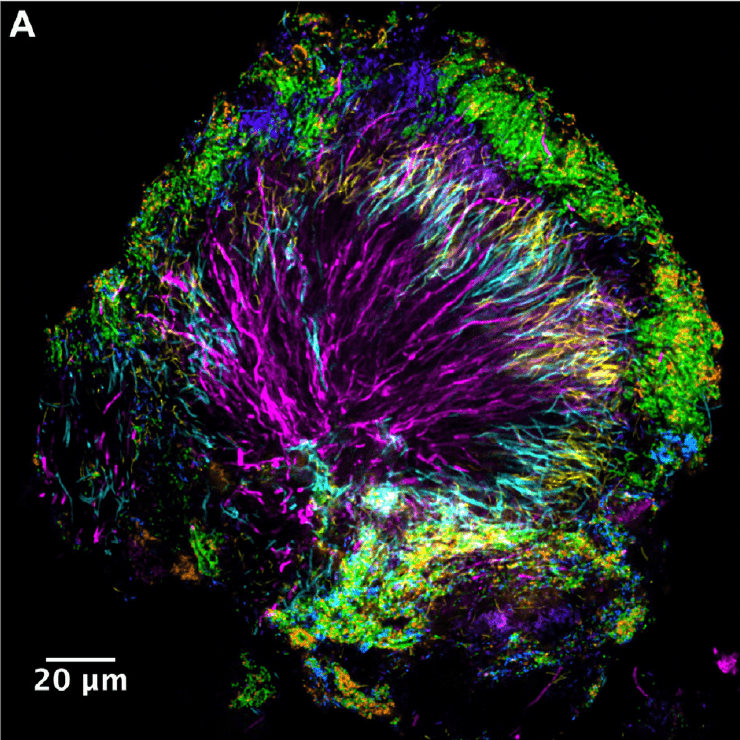
- It creates the “hedgehog structure”, a radial bacterial formation that provides a cozy home for other microbes.
- Its long filaments stretch like scaffolding through the plaque, supporting the community.
- It even helps calcify plaque into dental calculus—the hard stuff your dentist scrapes off.
Now here’s the kicker: despite its involvement in calculus formation, C. matruchotii is linked with healthy mouths. That’s because it often invites friends like Streptococcus cristatus, which tones down the nastiness of pathogens like P. gingivalis, a known villain of gum disease.
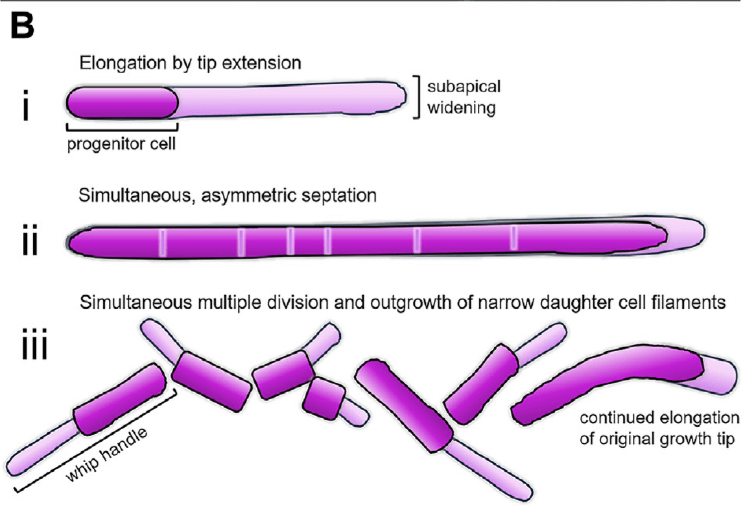
Image source: https://jadafs.ada.org/cms/10.1016/j.jfscie.2025.100051/asset/5eb2375c-186d-4a47-80f0-da661649b7c2/main.assets/ga1.jpg
🦠 The Bad Guys: When Bacteria Go Rogue
Of course, not every resident in the plaque community is a saint.
Enter Streptococcus mutans, a sweet-toothed troublemaker.
🍬 Why S. mutans Is a Problem:
- It’s usually harmless… until sugar enters the scene.
- Then it gangs up with other bacteria and forms acid-producing domes near your enamel.
- These domes act like acid factories, slowly dissolving your teeth—hello cavities!
But here’s the cool part: it’s not just about who’s there, but how they’re organized.
When S. mutans is dispersed in the plaque, it behaves itself. But once it builds its dome fortress, it turns aggressive. This means scientists may one day prevent tooth decay not by killing S. mutans, but by stopping it from going all “King of the Hill.”
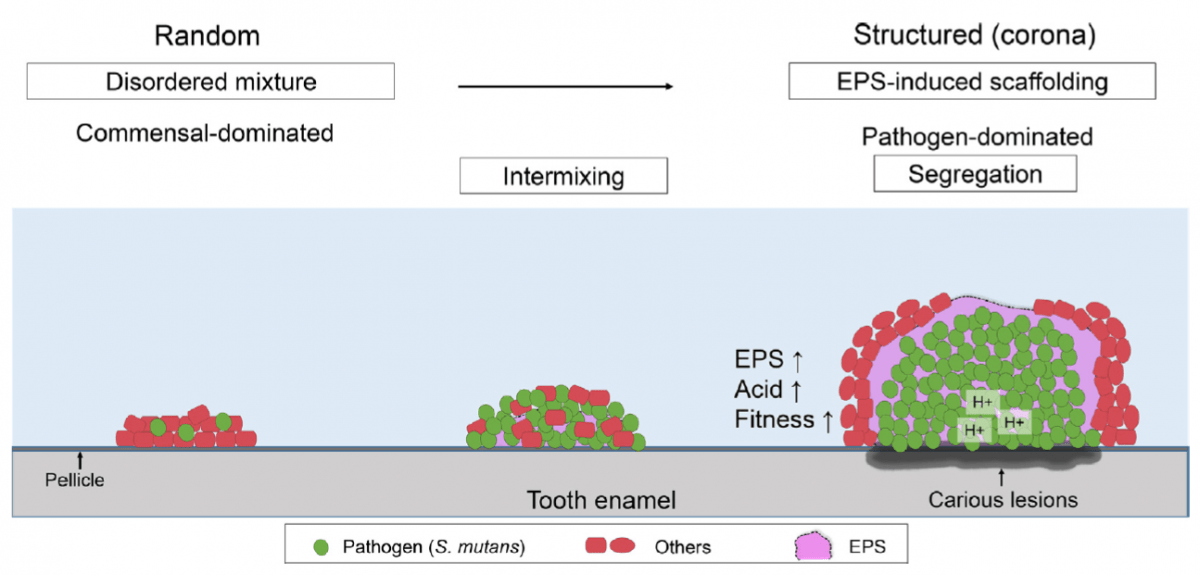
Image source: https://jadafs.ada.org/cms/10.1016/j.jfscie.2025.100051/asset/5eb2375c-186d-4a47-80f0-da661649b7c2/main.assets/ga1.jpg
🧬 Dental Plaque: A Microbial City That Can Be Managed
The latest science shows that oral health isn’t just about removing plaque; it’s about managing it.
Yes, brushing and flossing are still key. But future dentistry might treat your mouth more like a garden than a battlefield:
- 🌼 Weed out harmful bacteria
- 🌿 Plant and feed beneficial ones
- 🧑🌾 Prune the biofilm to keep it balanced
Imagine using targeted peptides or friendly viruses (bacteriophages) to gently evict troublemakers, while encouraging helpful bacteria to flourish. It’s like crowd control for microbes!
🦷 What This Means for You
Until dental plaque-managing tools hit the shelves, here’s how you can stay ahead of the game:
- Brush and floss, yes, still.
- Eat less sugar; S. mutans loves a sugar buffet.
- Use fluoride toothpaste, which helps strengthen enamel.
- Visit your dentist regularly, let the pros monitor your microbial mix.
And maybe, just maybe, start thinking of plaque not as the enemy, but as a community worth curating.
🧠 Don’t Just Attack Dental Plaque; Understand It
This article reminds us that dental plaque is more than just grime; it’s an ecosystem, and like any ecosystem, balance is everything. Some bacteria protect us. Some betray us. And many just want a safe place to live.
In the future, dental care might not be about nuking all bacteria. It might be about restructuring the neighborhood, encouraging helpful tenants, and stopping the bad ones from taking over.
So next time you brush your teeth, give a little wink to the good bacteria. They’re working hard to keep your smile sparkling.
References
This article was based on the following research paper:
Subscribe now to the Dentinova Newsletter to receive the latest articles.
Recent Articles








🧪 What Is Dental Plaque?
Dental plaque isn’t just goo stuck on your teeth. It’s a complex biofilm, a sticky, structured community of bacteria, fungi, and viruses. These tiny tenants stack, swirl, and organize themselves in dazzling structures—like bacterial skyscrapers!
Think of your mouth as a real estate market for microbes: prime tooth surfaces get snapped up quickly, and each microbe wants the best view (or the most sugar).
When we hear the word dental plaque, most of us picture a villain hiding in our mouths, waiting to wreak havoc. Dentists warn us about it. Toothbrush ads demonize it. And let’s be honest, most of us try to scrub it out of existence twice a day (if not more).
Image source: https://jadafs.ada.org/cms/10.1016/j.jfscie.2025.100051/asset/5eb2375c-186d-4a47-80f0-da661649b7c2/main.assets/ga1.jpg)
But here’s the twist: some plaque bacteria are good for your health.
That’s right. According to groundbreaking research published in JADA Foundational Science by scientists Jessica Mark Welch and Gary Borisy, dental plaque isn’t just a nasty film; it’s a bustling microbial neighborhood, and just like any community, some residents are helpful, and others… not so much.
Let’s dive into this microscopic city and uncover who’s who in the plaque zoo.
🌱 Meet the Good Guys: Bacteria That Help, Not Hurt
One of the stars of the microbial show is Corynebacterium matruchotii, a name that sounds like it belongs in a Harry Potter spellbook.
But this bacterium is a builder, not a brawler.
🧱 Why C. matruchotii Is a Big Deal:
- It creates the “hedgehog structure”, a radial bacterial formation that provides a cozy home for other microbes.
- Its long filaments stretch like scaffolding through the plaque, supporting the community.
- It even helps calcify plaque into dental calculus—the hard stuff your dentist scrapes off.
Now here’s the kicker: despite its involvement in calculus formation, C. matruchotii is linked with healthy mouths. That’s because it often invites friends like Streptococcus cristatus, which tones down the nastiness of pathogens like P. gingivalis, a known villain of gum disease.
Image source: https://jadafs.ada.org/cms/10.1016/j.jfscie.2025.100051/asset/5eb2375c-186d-4a47-80f0-da661649b7c2/main.assets/ga1.jpg
🦠 The Bad Guys: When Bacteria Go Rogue
Of course, not every resident in the plaque community is a saint.
Enter Streptococcus mutans, a sweet-toothed troublemaker.
🍬 Why S. mutans Is a Problem:
- It’s usually harmless… until sugar enters the scene.
- Then it gangs up with other bacteria and forms acid-producing domes near your enamel.
- These domes act like acid factories, slowly dissolving your teeth—hello cavities!
But here’s the cool part: it’s not just about who’s there, but how they’re organized.
When S. mutans is dispersed in the plaque, it behaves itself. But once it builds its dome fortress, it turns aggressive. This means scientists may one day prevent tooth decay not by killing S. mutans, but by stopping it from going all “King of the Hill.”
Image source: https://jadafs.ada.org/cms/10.1016/j.jfscie.2025.100051/asset/5eb2375c-186d-4a47-80f0-da661649b7c2/main.assets/ga1.jpg
🧬 Dental Plaque: A Microbial City That Can Be Managed
The latest science shows that oral health isn’t just about removing plaque; it’s about managing it.
Yes, brushing and flossing are still key. But future dentistry might treat your mouth more like a garden than a battlefield:
- 🌼 Weed out harmful bacteria
- 🌿 Plant and feed beneficial ones
- 🧑🌾 Prune the biofilm to keep it balanced
Imagine using targeted peptides or friendly viruses (bacteriophages) to gently evict troublemakers, while encouraging helpful bacteria to flourish. It’s like crowd control for microbes!
🦷 What This Means for You
Until dental plaque-managing tools hit the shelves, here’s how you can stay ahead of the game:
- Brush and floss, yes, still.
- Eat less sugar; S. mutans loves a sugar buffet.
- Use fluoride toothpaste, which helps strengthen enamel.
- Visit your dentist regularly, let the pros monitor your microbial mix.
And maybe, just maybe, start thinking of plaque not as the enemy, but as a community worth curating.
🧠 Don’t Just Attack Dental Plaque; Understand It
This article reminds us that dental plaque is more than just grime; it’s an ecosystem, and like any ecosystem, balance is everything. Some bacteria protect us. Some betray us. And many just want a safe place to live.
In the future, dental care might not be about nuking all bacteria. It might be about restructuring the neighborhood, encouraging helpful tenants, and stopping the bad ones from taking over.
So next time you brush your teeth, give a little wink to the good bacteria. They’re working hard to keep your smile sparkling.
References
This article was based on the following research paper:
Subscribe now to the Dentinova Newsletter to receive the latest articles.
Recent Articles
Peri-Implantitis Treatment & Prevention Methods
Peri-Implantitis Treatment & Prevention Methods Peri-implantitis remains one of the most significant biological complications affecting dental implants, posing a serious threat to long-term implant [...]
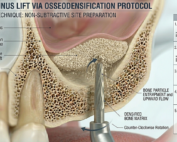
Latest Sinus Lifting Techniques in Modern Implant Dentistry
Latest Sinus Lifting Techniques in Modern Implant Dentistry A Comprehensive Clinical Review Introduction to Sinus Lifting in Implantology Sinus lifting, or maxillary sinus floor [...]
Biomechanics of the Triple Abutment & BOPiT Concept
Dental Biomechanics · Implant Science · Clinical Evidence Biomechanics of the Triple Abutment & BOPiT Concept How a saddle-shaped mathematical surface is rewriting the rules of load distribution [...]
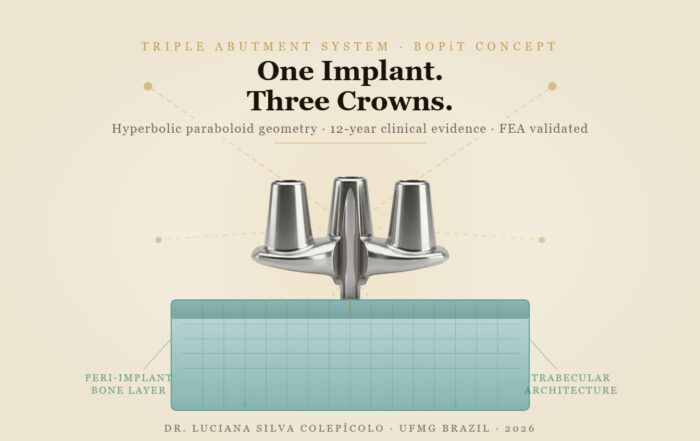
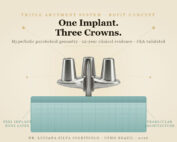
The Woman Who Proved One Implant Could Hold Three Crowns
The Woman Who Proved One Implant Could Hold Three Crowns While the dental establishment looked away, Dr. Luciana Colepícolo spent 12 years building the [...]
ENPP1, The Molecular Brake That Limits Tissue Healing
ENPP1, The Molecular Brake That Limits Tissue Healing Introduction: A New Biological Barrier to Dental Regeneration Meet ENPP1—a protein most dentists have never heard [...]
The Rise of Self‑Healing Dental Biomaterials
The Rise of Self‑Healing Dental Biomaterials Introduction In modern restorative dentistry, durability and longevity of materials remain among the greatest clinical challenges. Traditional dental [...]