Vertical Orthodontic Problems: Diagnosis And Treatment
Vertical Orthodontic Problems: Causes and Treatments
Vertical orthodontic problems refer to misalignments affecting the vertical dimension of the teeth and jaws. These issues impact bite function, facial aesthetics, and oral health, requiring specialized orthodontic treatment.
Types of Vertical Orthodontic Problems
- Deep Bite (Overbite) – Occurs when the upper front teeth excessively overlap the lower front teeth, often causing enamel wear, gum irritation, and jaw discomfort.
- Open Bite – A condition where the upper and lower teeth do not meet when the mouth is closed, typically caused by habits like thumb-sucking, tongue thrusting, or airway issues.
- Excessive Overeruption – When certain teeth continue to grow beyond their normal position, leading to bite instability.
Causes of Vertical Orthodontic Problems
- Genetics
- Poor oral habits (thumb-sucking, tongue-thrusting)
- Skeletal discrepancies
- Temporomandibular joint (TMJ) disorders
Vertical Orthodontic Treatment Options
- Braces or Clear Aligners to reposition teeth
- Bite Blocks or Retainers to control eruption
- Jaw Surgery (Orthognathic Surgery) for severe skeletal issues
- Behavioral Therapy for Habit Correction
Addressing vertical orthodontic problems early can prevent jaw strain, speech issues, and tooth damage, leading to a healthier, more functional bite.
Vertical Orthodontic Treatment : Ebook By Dr. Kleber Meireles
Follow Dr.Keleber on Facebook :
Over the past 25 years, I have dedicated myself extensively to studying clinical diagnostic protocols in the field of orthodontics. This tireless pursuit has led me to
develop comprehensive protocols that combine facial, smile, cephalometric, and occlusal analyses. The result of this dedicated effort is the ability to create precise
treatment plans that significantly accelerate the overall treatment process.
In this eBook, I am excited to share a portion of these protocols with you. We will dive into cases with decreased Lower Anterior Facial Height, exploring how
the interplay between facial and cephalometric analyses can play a crucial role in making informed decisions with confidence. By understanding the intricacies of
these analyses and their relationship, orthodontists can approach treatment planning with greater efficiency and effectiveness.
Throughout this eBook, you will gain valuable insights into leveraging these protocols to achieve optimal outcomes for your patients. By embracing this approach, you will not only streamline the treatment timeline but also enhance patient satisfaction and overall treatment success.
So, let’s embark on this enlightening journey together, unraveling the significance of integrating facial, smile, cephalometric, and occlusal analyses in orthodontic diagnosis and planning. Prepare to witness the power of evidence-based decision-making and how it empowers orthodontists to transform smiles and lives with confidence and precision
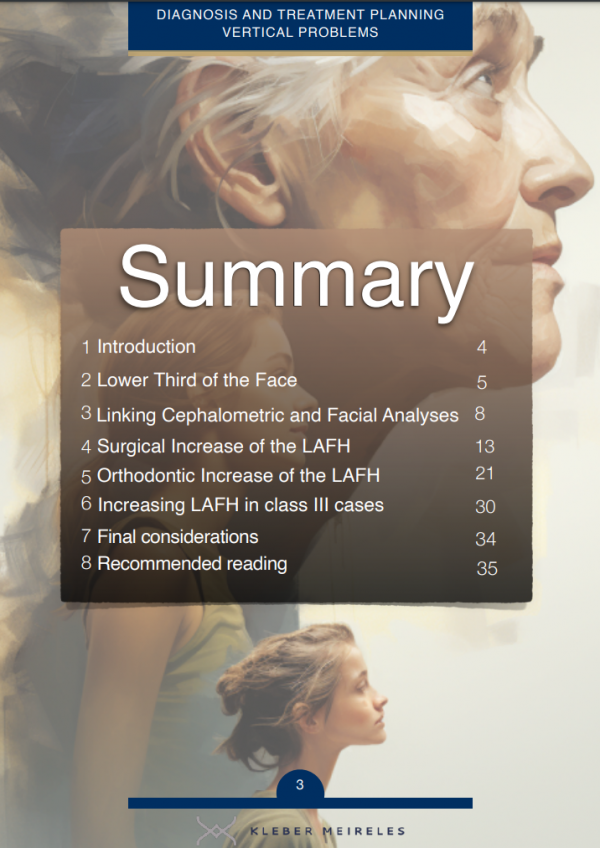
Summary of Diagnosis And Treatment Planning Vertical Orthodontic Problems – Dr.Kleber Meireles – Dentinova
Introduction to Vertical Orthodontic Treatment :
The relationship between facial and cephalometric analysis is fundamental in orthodontic evaluation. Combining aesthetic and structural information enables the orthodontist to create a personalized and precise treatment plan. This integrated approach helps anticipate problems, minimize complications, and achieve satisfactory results. Each patient presents a complex combination of unique facial and dental-skeletal characteristics, requiring a meticulous analysis to determine an accurate diagnosis and the most appropriate treatment plan. In this context, knowledge of ideal cephalometric measurements plays a fundamental role.
Cephalometric measurements provide detailed information about the patient’s skeletal, dental, and facial relationships, allowing orthodontists to assess the magnitude and nature of existing discrepancies. This information is essential for understanding the underlying causes of malocclusions, identifying growth patterns, and directing
personalized treatment.
Throughout this ebook, we will explore the importance of knowing the ideal cephalometric measurements for each case during the crucial stage of orthodontic
planning, with a focus on vertical malocclusions (in this ebook, we’ll focus on short face problems). We will see how these measurements correlate with facial analysis, enabling a
comprehensive and integrated view of the patient, and how they are applied to establish realistic and achievable treatment goals. We hope that, by the end of this reading, readers will be able to utilize this knowledge to optimize their clinical practices, improve the quality of treatments offered, and enhance patient satisfaction.
To Download This E-Book , Please click on this link :
View E-Book
For Enquiries about Clear Aligners, please check Alignova Clear Aligners
Follow Us On LinkedIn:
Dentinova Linkedin
Recent Articles

























Vertical Orthodontic Problems: Causes and Treatments
Vertical orthodontic problems refer to misalignments affecting the vertical dimension of the teeth and jaws. These issues impact bite function, facial aesthetics, and oral health, requiring specialized orthodontic treatment.
Types of Vertical Orthodontic Problems
- Deep Bite (Overbite) – Occurs when the upper front teeth excessively overlap the lower front teeth, often causing enamel wear, gum irritation, and jaw discomfort.
- Open Bite – A condition where the upper and lower teeth do not meet when the mouth is closed, typically caused by habits like thumb-sucking, tongue thrusting, or airway issues.
- Excessive Overeruption – When certain teeth continue to grow beyond their normal position, leading to bite instability.
Causes of Vertical Orthodontic Problems
- Genetics
- Poor oral habits (thumb-sucking, tongue-thrusting)
- Skeletal discrepancies
- Temporomandibular joint (TMJ) disorders
Vertical Orthodontic Treatment Options
- Braces or Clear Aligners to reposition teeth
- Bite Blocks or Retainers to control eruption
- Jaw Surgery (Orthognathic Surgery) for severe skeletal issues
- Behavioral Therapy for Habit Correction
Addressing vertical orthodontic problems early can prevent jaw strain, speech issues, and tooth damage, leading to a healthier, more functional bite.
Vertical Orthodontic Treatment : Ebook By Dr. Kleber Meireles
Follow Dr.Keleber on Facebook :
Over the past 25 years, I have dedicated myself extensively to studying clinical diagnostic protocols in the field of orthodontics. This tireless pursuit has led me to
develop comprehensive protocols that combine facial, smile, cephalometric, and occlusal analyses. The result of this dedicated effort is the ability to create precise
treatment plans that significantly accelerate the overall treatment process.
In this eBook, I am excited to share a portion of these protocols with you. We will dive into cases with decreased Lower Anterior Facial Height, exploring how
the interplay between facial and cephalometric analyses can play a crucial role in making informed decisions with confidence. By understanding the intricacies of
these analyses and their relationship, orthodontists can approach treatment planning with greater efficiency and effectiveness.
Throughout this eBook, you will gain valuable insights into leveraging these protocols to achieve optimal outcomes for your patients. By embracing this approach, you will not only streamline the treatment timeline but also enhance patient satisfaction and overall treatment success.
So, let’s embark on this enlightening journey together, unraveling the significance of integrating facial, smile, cephalometric, and occlusal analyses in orthodontic diagnosis and planning. Prepare to witness the power of evidence-based decision-making and how it empowers orthodontists to transform smiles and lives with confidence and precision
Summary of Diagnosis And Treatment Planning Vertical Orthodontic Problems – Dr.Kleber Meireles – Dentinova
Introduction to Vertical Orthodontic Treatment :
The relationship between facial and cephalometric analysis is fundamental in orthodontic evaluation. Combining aesthetic and structural information enables the orthodontist to create a personalized and precise treatment plan. This integrated approach helps anticipate problems, minimize complications, and achieve satisfactory results. Each patient presents a complex combination of unique facial and dental-skeletal characteristics, requiring a meticulous analysis to determine an accurate diagnosis and the most appropriate treatment plan. In this context, knowledge of ideal cephalometric measurements plays a fundamental role.
Cephalometric measurements provide detailed information about the patient’s skeletal, dental, and facial relationships, allowing orthodontists to assess the magnitude and nature of existing discrepancies. This information is essential for understanding the underlying causes of malocclusions, identifying growth patterns, and directing
personalized treatment.
Throughout this ebook, we will explore the importance of knowing the ideal cephalometric measurements for each case during the crucial stage of orthodontic
planning, with a focus on vertical malocclusions (in this ebook, we’ll focus on short face problems). We will see how these measurements correlate with facial analysis, enabling a
comprehensive and integrated view of the patient, and how they are applied to establish realistic and achievable treatment goals. We hope that, by the end of this reading, readers will be able to utilize this knowledge to optimize their clinical practices, improve the quality of treatments offered, and enhance patient satisfaction.
To Download This E-Book , Please click on this link :
View E-Book
For Enquiries about Clear Aligners, please check Alignova Clear Aligners
Follow Us On LinkedIn:
Dentinova Linkedin
Recent Articles
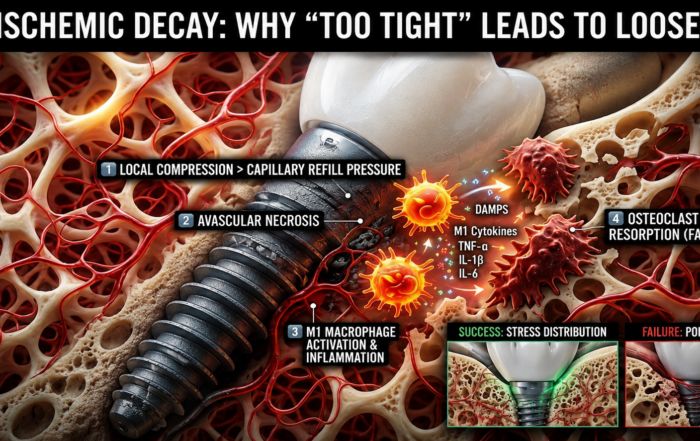
When “Perfectly Tight” Dental Implants Fail
When “Perfectly Tight” Dental Implants Fail The Hidden Role of Ischemic Bone Resorption and Osteoimmune Dysfunction In modern dental implantology, achieving high primary [...]
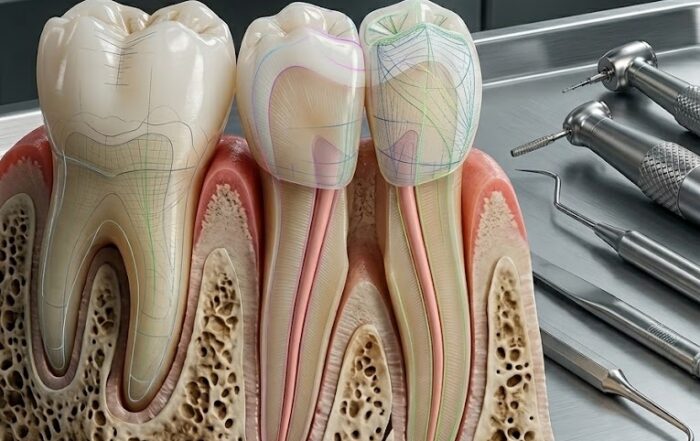
The Bicuspidization Protocol: Engineering Meets Survival
The Bicuspidization Protocol: Engineering Meets Survival Modern restorative dentistry is no longer limited to extraction and replacement. In the era of conservative and biologically [...]
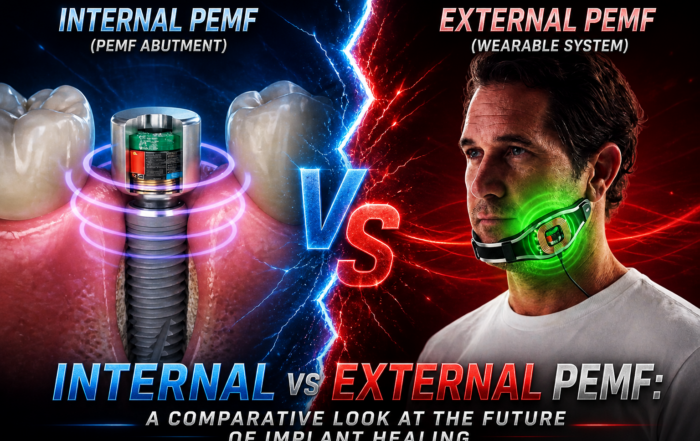
Pulsed Electromagnetic Field (PEMF) Use in Implant Dentistry
Pulsed Electromagnetic Field (PEMF) Use in Implant Dentistry Abstract and Historical Background Pulsed Electromagnetic Field (PEMF) therapy refers to the application of low-frequency electromagnetic [...]
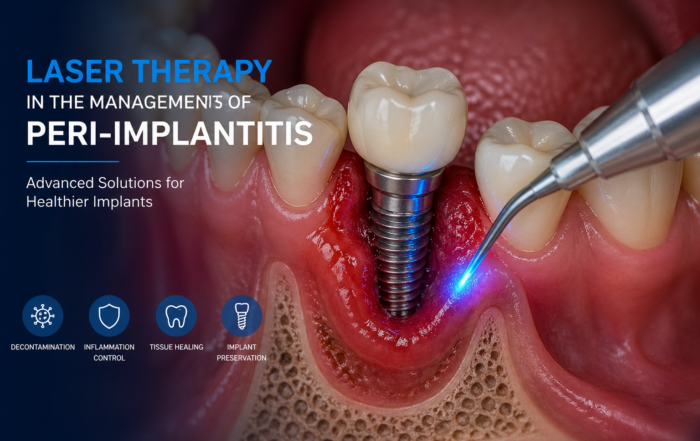
Laser Therapy in the Management of Peri-Implantitis
Laser Therapy in the Management of Peri-Implantitis Laser technology has become an increasingly valuable adjunct in the treatment of peri-implant diseases, particularly peri-implantitis. Its [...]
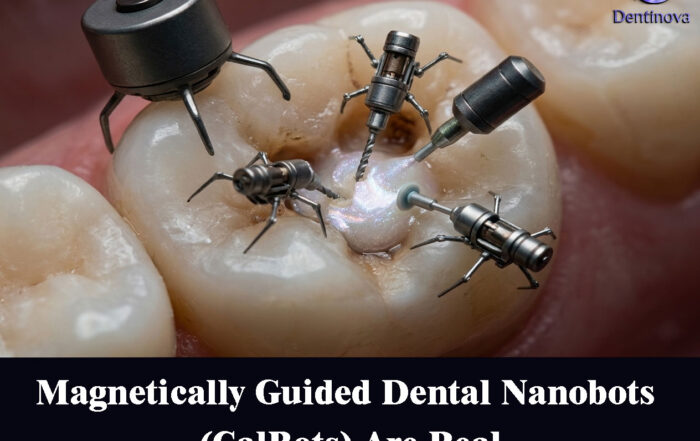
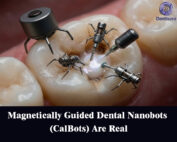
Magnetically Guided Dental Nanobots (CalBots) Are Real
Magnetically Guided Dental Nanobots (CalBots) Are Real The concept of nanobots in dentistry has long been associated with futuristic speculation. However, recent peer-reviewed research [...]
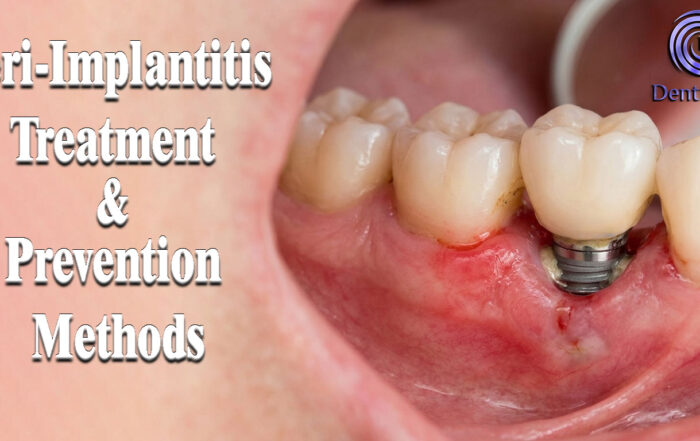
Peri-Implantitis Treatment & Prevention Methods
Peri-Implantitis Treatment & Prevention Methods Peri-implantitis remains one of the most significant biological complications affecting dental implants, posing a serious threat to long-term implant [...]