How Metal Braces Straighten Teeth: The Complete Guide to Traditional Orthodontic Treatment
Metal braces have been transforming smiles for decades, but few people actually understand the science behind how they straighten teeth so effectively. Whether you’re considering braces for yourself or your child, knowing how they work can make the journey easier, faster, and more exciting. In this guide, we break down the real mechanics behind braces, why they remain the strongest orthodontic option, and what to expect throughout treatment. If you’ve ever wondered how simple metal brackets and wires can reshape a smile, this introduction will show you the fascinating process happening inside your mouth.
How Metal Braces Straighten Teeth:
Understanding the Science Behind Orthodontic Movement
Metal braces straighten teeth through a combination of steady pressure, controlled force, and strategic orthodontic planning.
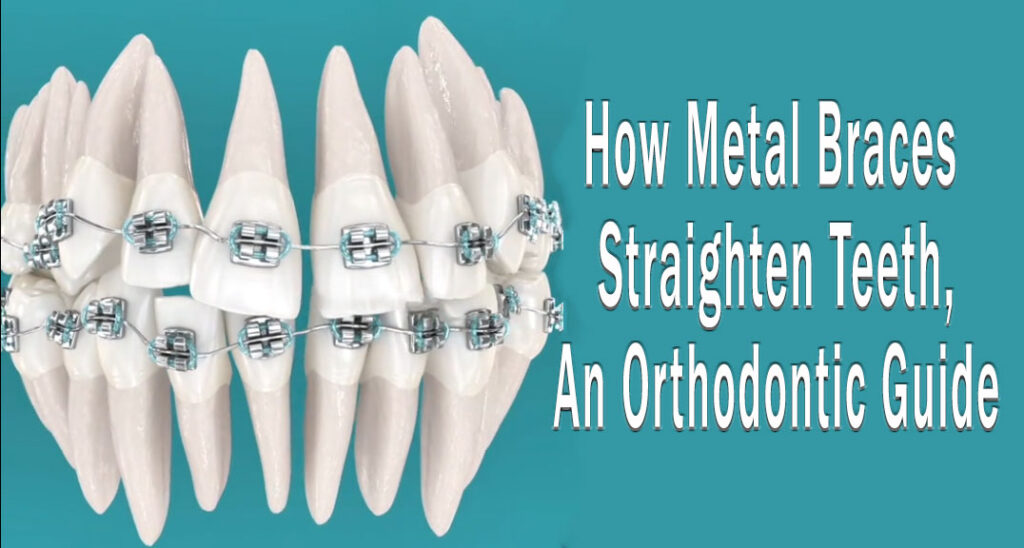
Each bracket is bonded to the tooth’s surface and connected by an archwire that gently guides the teeth into their ideal positions over time.
When pressure is applied, the bone around the tooth remodels, allowing the tooth to shift into alignment. This process is known as orthodontic tooth movement, and it is both safe and predictable.
Modern metal braces are smaller, more comfortable, and more efficient than ever before. Orthodontists use advanced digital planning tools to determine the precise movements needed for each tooth.
The combination of biomechanics and custom treatment planning ensures that patients achieve a straight, functional, and aesthetically pleasing smile.
Components of Metal Braces: How They Work
To understand how metal braces straighten teeth, it helps to break down their main components. Every part plays a crucial role in guiding the teeth into alignment.
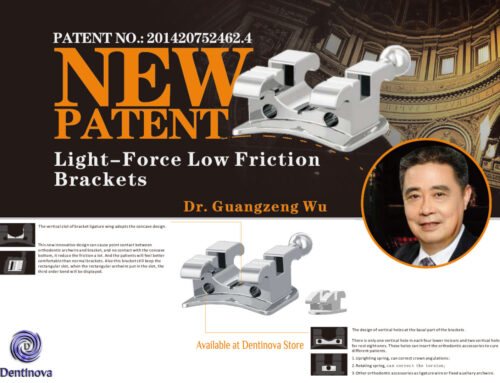
- Brackets: Small metal squares attached to each tooth. They hold the archwire in place.
- Archwire: A thin wire running across all brackets, applying the main pressure to shift the teeth.
- Elastic ligatures: Tiny rubber bands that secure the archwire to each bracket.
- Metal bands: Rings that fit around the back molars to provide extra support.
- Elastics (rubber bands): Often used to correct jaw alignment or bite issues.
These components work in harmony to apply gentle, continuous pressure. Over time, this pressure stimulates bone remodeling, allowing teeth to move into healthier positions.
The orthodontist adjusts or tightens the archwire during monthly visits to maintain progress and ensure steady tooth movement.
Stages of Treatment: How Metal Braces Straighten Teeth
The process of straightening teeth with metal braces is gradual and carefully monitored. While every patient’s case is unique, most treatments follow these core stages:
1. Initial Alignment: During the first few months, the braces begin to correct rotations and crowding. Light wires are used to gently move the teeth.
2. Space Closing: Once alignment improves, gaps between teeth are closed using stronger archwires or elastic power chains.
3. Bite Correction: Rubber bands or specialized appliances may be introduced to correct overbites, underbites, or crossbites.
4. Refinement: Small adjustments are made to perfect the final tooth positions, ensuring proper bite function.
5. Retention: After the braces come off, retainers prevent teeth from shifting back to their original positions, preserving the results permanently.
Benefits of Metal Braces Compared to Other Orthodontic Options
While clear aligners and ceramic braces have increased in popularity, metal braces remain a gold-standard treatment for many patients. Their design offers several major advantages:
- Most powerful option for fixing severe crowding and complex bite issues.
- Non-removable, ensuring 24/7 treatment without relying on patient discipline.
- More affordable than alternatives like clear aligners or ceramic braces.
- Highly durable and ideal for teenagers and active individuals.
- Consistent results due to controlled and predictable tooth movement.
Due to their reliability and effectiveness, orthodontists often recommend metal braces for complicated cases or when the fastest treatment time is desired.
How Long Do Metal Braces Take to Straighten Teeth?
Treatment duration depends on the severity of misalignment, the patient’s age, oral health, and how closely they follow the orthodontist’s instructions.
On average, metal braces take 18 to 24 months to straighten teeth, though some cases may require less than a year, while more complex bite corrections may need up to 30 months.
Regular appointments, good oral hygiene, and avoiding foods that can damage the brackets and wires all contribute to faster and smoother treatment progress.
Skipping appointments or breaking wires can extend treatment time, so cooperation is essential.
Tips to Maximize the Results of Your Metal Braces Treatment
To ensure your braces straighten teeth efficiently, consider the following expert-recommended tips:
- Brush and floss daily to prevent plaque buildup around brackets.
- Avoid sticky, hard, or crunchy foods that can break wires or brackets.
- Wear elastics exactly as prescribed to correct bite issues quickly.
- Attend all follow-up appointments for timely adjustments.
- Use orthodontic wax to prevent irritation during the first few weeks.
Following these guidelines ensures smoother treatment, fewer complications, and better long-term results.
FAQ: Common Questions About How Metal Braces Straighten Teeth
1. Do metal braces hurt?
You may feel mild pressure or soreness for a few days after adjustments, but the discomfort is temporary and normal.
2. Can metal braces fix severe crooked teeth?
Yes. Metal braces are the most powerful orthodontic option and can correct severe crowding, bite issues, and jaw misalignment.
3. How often do I need to visit the orthodontist?
Most patients visit every 4 to 6 weeks for adjustments to keep the treatment progressing smoothly.
4. What foods should I avoid with braces?
Avoid sticky candies, popcorn, nuts, chips, and hard foods like ice or raw carrots to prevent damaging the braces.
5. Will my teeth move back after removing braces?
Teeth can shift if retainers are not worn as instructed. Retainers are essential to maintain long-lasting results.
6. Are metal braces better than clear aligners?
Metal braces are generally better for complex cases and faster bite correction, while clear aligners are preferred for mild to moderate cosmetic corrections.
7. How quickly do braces start working?
Most patients notice improvements within the first 4 to 6 weeks as the teeth begin to align.
Recent Articles




























Metal braces have been transforming smiles for decades, but few people actually understand the science behind how they straighten teeth so effectively. Whether you’re considering braces for yourself or your child, knowing how they work can make the journey easier, faster, and more exciting. In this guide, we break down the real mechanics behind braces, why they remain the strongest orthodontic option, and what to expect throughout treatment. If you’ve ever wondered how simple metal brackets and wires can reshape a smile, this introduction will show you the fascinating process happening inside your mouth.
How Metal Braces Straighten Teeth:
Understanding the Science Behind Orthodontic Movement
Metal braces straighten teeth through a combination of steady pressure, controlled force, and strategic orthodontic planning.
Each bracket is bonded to the tooth’s surface and connected by an archwire that gently guides the teeth into their ideal positions over time.
When pressure is applied, the bone around the tooth remodels, allowing the tooth to shift into alignment. This process is known as orthodontic tooth movement, and it is both safe and predictable.
Modern metal braces are smaller, more comfortable, and more efficient than ever before. Orthodontists use advanced digital planning tools to determine the precise movements needed for each tooth.
The combination of biomechanics and custom treatment planning ensures that patients achieve a straight, functional, and aesthetically pleasing smile.
Components of Metal Braces: How They Work
To understand how metal braces straighten teeth, it helps to break down their main components. Every part plays a crucial role in guiding the teeth into alignment.
- Brackets: Small metal squares attached to each tooth. They hold the archwire in place.
- Archwire: A thin wire running across all brackets, applying the main pressure to shift the teeth.
- Elastic ligatures: Tiny rubber bands that secure the archwire to each bracket.
- Metal bands: Rings that fit around the back molars to provide extra support.
- Elastics (rubber bands): Often used to correct jaw alignment or bite issues.
These components work in harmony to apply gentle, continuous pressure. Over time, this pressure stimulates bone remodeling, allowing teeth to move into healthier positions.
The orthodontist adjusts or tightens the archwire during monthly visits to maintain progress and ensure steady tooth movement.
Stages of Treatment: How Metal Braces Straighten Teeth
The process of straightening teeth with metal braces is gradual and carefully monitored. While every patient’s case is unique, most treatments follow these core stages:
1. Initial Alignment: During the first few months, the braces begin to correct rotations and crowding. Light wires are used to gently move the teeth.
2. Space Closing: Once alignment improves, gaps between teeth are closed using stronger archwires or elastic power chains.
3. Bite Correction: Rubber bands or specialized appliances may be introduced to correct overbites, underbites, or crossbites.
4. Refinement: Small adjustments are made to perfect the final tooth positions, ensuring proper bite function.
5. Retention: After the braces come off, retainers prevent teeth from shifting back to their original positions, preserving the results permanently.
Benefits of Metal Braces Compared to Other Orthodontic Options
While clear aligners and ceramic braces have increased in popularity, metal braces remain a gold-standard treatment for many patients. Their design offers several major advantages:
- Most powerful option for fixing severe crowding and complex bite issues.
- Non-removable, ensuring 24/7 treatment without relying on patient discipline.
- More affordable than alternatives like clear aligners or ceramic braces.
- Highly durable and ideal for teenagers and active individuals.
- Consistent results due to controlled and predictable tooth movement.
Due to their reliability and effectiveness, orthodontists often recommend metal braces for complicated cases or when the fastest treatment time is desired.
How Long Do Metal Braces Take to Straighten Teeth?
Treatment duration depends on the severity of misalignment, the patient’s age, oral health, and how closely they follow the orthodontist’s instructions.
On average, metal braces take 18 to 24 months to straighten teeth, though some cases may require less than a year, while more complex bite corrections may need up to 30 months.
Regular appointments, good oral hygiene, and avoiding foods that can damage the brackets and wires all contribute to faster and smoother treatment progress.
Skipping appointments or breaking wires can extend treatment time, so cooperation is essential.
Tips to Maximize the Results of Your Metal Braces Treatment
To ensure your braces straighten teeth efficiently, consider the following expert-recommended tips:
- Brush and floss daily to prevent plaque buildup around brackets.
- Avoid sticky, hard, or crunchy foods that can break wires or brackets.
- Wear elastics exactly as prescribed to correct bite issues quickly.
- Attend all follow-up appointments for timely adjustments.
- Use orthodontic wax to prevent irritation during the first few weeks.
Following these guidelines ensures smoother treatment, fewer complications, and better long-term results.
FAQ: Common Questions About How Metal Braces Straighten Teeth
1. Do metal braces hurt?
You may feel mild pressure or soreness for a few days after adjustments, but the discomfort is temporary and normal.
2. Can metal braces fix severe crooked teeth?
Yes. Metal braces are the most powerful orthodontic option and can correct severe crowding, bite issues, and jaw misalignment.
3. How often do I need to visit the orthodontist?
Most patients visit every 4 to 6 weeks for adjustments to keep the treatment progressing smoothly.
4. What foods should I avoid with braces?
Avoid sticky candies, popcorn, nuts, chips, and hard foods like ice or raw carrots to prevent damaging the braces.
5. Will my teeth move back after removing braces?
Teeth can shift if retainers are not worn as instructed. Retainers are essential to maintain long-lasting results.
6. Are metal braces better than clear aligners?
Metal braces are generally better for complex cases and faster bite correction, while clear aligners are preferred for mild to moderate cosmetic corrections.
7. How quickly do braces start working?
Most patients notice improvements within the first 4 to 6 weeks as the teeth begin to align.
Recent Articles
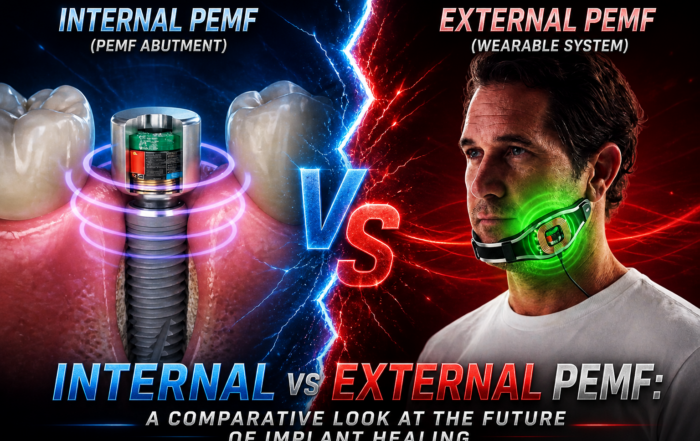
Pulsed Electromagnetic Field (PEMF) Use in Implant Dentistry
Pulsed Electromagnetic Field (PEMF) Use in Implant Dentistry Abstract and Historical Background Pulsed Electromagnetic Field (PEMF) therapy refers to the application of low-frequency electromagnetic [...]
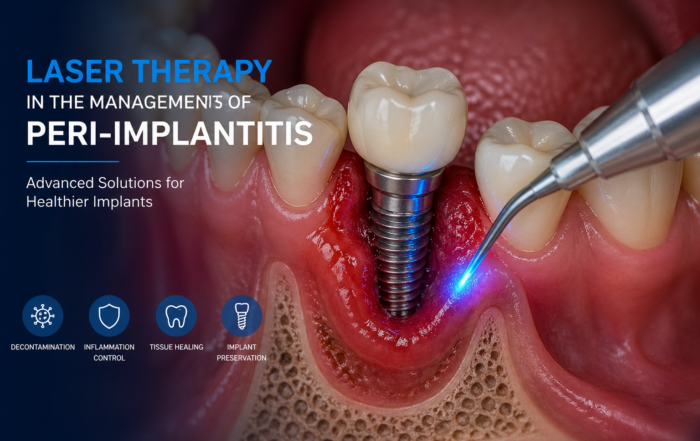
Laser Therapy in the Management of Peri-Implantitis
Laser Therapy in the Management of Peri-Implantitis Laser technology has become an increasingly valuable adjunct in the treatment of peri-implant diseases, particularly peri-implantitis. Its [...]
Magnetically Guided Dental Nanobots (CalBots) Are Real
Magnetically Guided Dental Nanobots (CalBots) Are Real The concept of nanobots in dentistry has long been associated with futuristic speculation. However, recent peer-reviewed research [...]
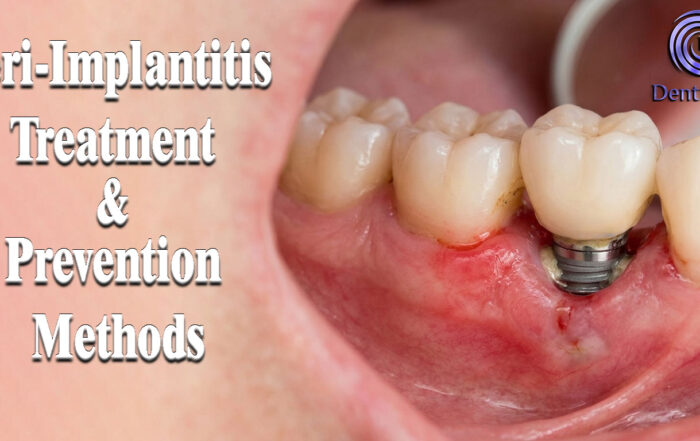
Peri-Implantitis Treatment & Prevention Methods
Peri-Implantitis Treatment & Prevention Methods Peri-implantitis remains one of the most significant biological complications affecting dental implants, posing a serious threat to long-term implant [...]
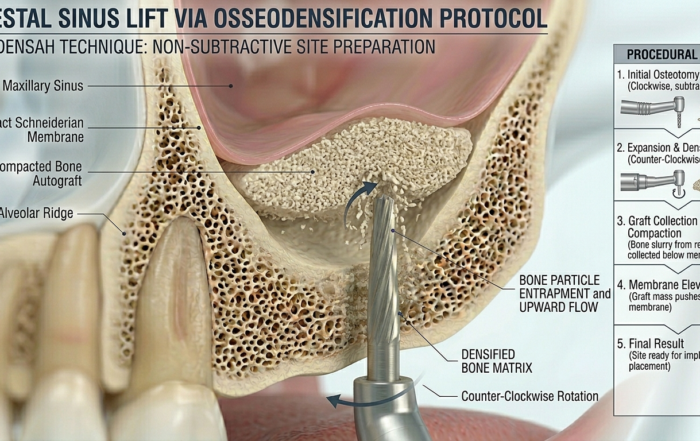
Latest Sinus Lifting Techniques in Modern Implant Dentistry
Latest Sinus Lifting Techniques in Modern Implant Dentistry A Comprehensive Clinical Review Introduction to Sinus Lifting in Implantology Sinus lifting, or maxillary sinus floor [...]
Biomechanics of the Triple Abutment & BOPiT Concept
Dental Biomechanics · Implant Science · Clinical Evidence Biomechanics of the Triple Abutment & BOPiT Concept How a saddle-shaped mathematical surface is rewriting the rules of load distribution [...]