Treating Sinusitis Through Humming
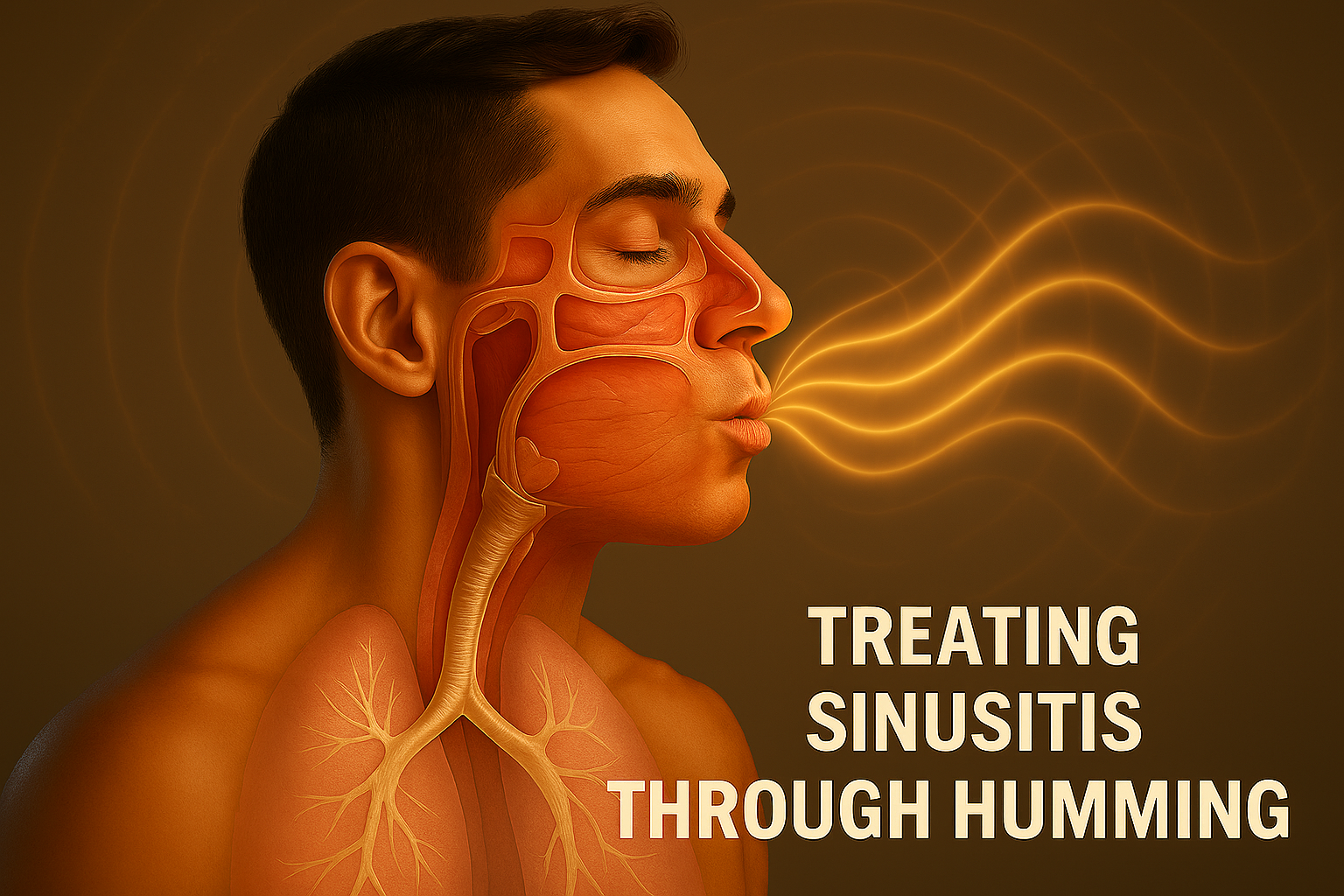
Treating sinusitis through humming may sound unconventional, yet science supports it. A groundbreaking study by researchers Eddie Weitzberg and Jon O. N. Lundberg from the Karolinska Institute in Sweden revealed that humming can dramatically increase the amount of nitric oxide (NO) released in the nasal passages, improving sinus ventilation and potentially relieving sinus inflammation. This simple, natural technique could become a valuable complementary method to traditional sinusitis treatments.
Understanding Sinusitis and Its Common Causes
Sinusitis, or inflammation of the paranasal sinuses, affects millions of people worldwide. It occurs when the sinus openings, known as ostia, become blocked due to infections, allergies, or anatomical obstructions. When these passages are blocked, mucus accumulates, leading to pain, pressure, nasal congestion, and sometimes infection.
Proper sinus ventilation is crucial for maintaining healthy sinuses. The tiny channels that connect the sinuses to the nasal cavity allow for air exchange and drainage. Once these channels are obstructed, bacteria and viruses can thrive, triggering inflammation and infection. Common treatments include nasal sprays, antibiotics, and surgery, but what if a natural habit like humming could help prevent this blockage in the first place?
The Science Behind Humming and Sinus Ventilation
In 2002, the Karolinska Institute team conducted a fascinating study published in the American Journal of Respiratory and Critical Care Medicine. Their research focused on how humming affects the levels of nitric oxide (NO) in the nasal passages. Nitric oxide is a gas naturally produced in the respiratory tract, especially within the paranasal sinuses. It plays several key roles: it’s antimicrobial, helps regulate blood flow, and supports ciliary function that clears mucus.
The researchers hypothesized that the oscillating airflow produced during humming would improve gas exchange between the sinuses and the nasal cavity, increasing the release of nitric oxide. To test this, they measured nasal NO levels in ten healthy subjects during quiet exhalation and while humming at a steady rate.
Fifteen-Fold Increase in Nasal Nitric Oxide
The results were remarkable. During humming, the participants experienced a 15-fold increase in nasal nitric oxide levels compared to quiet breathing. Nasal NO output increased from an average of 189 nanoliters per minute to over 2800 nanoliters per minute. In contrast, when subjects made similar sounds through the mouth (without nasal airflow), NO levels did not change significantly.
This finding clearly demonstrated that the increase in NO was linked to the nasal airflow vibrations created during humming. The oscillations allowed trapped air in the sinuses to mix and exchange more efficiently with the nasal cavity. In essence, humming acts like a natural ventilator for your sinuses.
How Humming Helps Treat Sinusitis
Treating sinusitis through humming relies on improving sinus ventilation. When you hum, sound waves cause the air within your nasal passages and sinuses to vibrate rapidly. This vibration helps dislodge mucus, enhances airflow, and allows the buildup of nitric oxide to reach the nasal cavity. Since nitric oxide has antibacterial and anti-inflammatory effects, it supports the healing process of the sinus tissues.
In the Swedish study, the researchers also used a mechanical model simulating a sinus and nasal cavity connected by an adjustable opening (representing the ostium). When humming-like vibrations were applied, the air exchange increased dramatically. In fact, nearly the entire sinus volume—around 96%—was exchanged in one exhalation during humming, compared to less than 4% during quiet breathing. This massive improvement in airflow suggests that regular humming could help keep sinus passages open and healthy.
Nitric Oxide: The Sinus Defender
Nitric oxide (NO) is often called the body’s “hidden hero” because of its many health benefits. In the sinuses, NO concentrations can reach over 20 parts per million, making these cavities the main producers of this important molecule. It acts as a defense mechanism, killing bacteria, fungi, and viruses that might otherwise cause infection. It also improves blood circulation in the nasal mucosa and helps maintain the movement of cilia—the tiny hair-like structures that clear mucus.
When sinus ostia are blocked, nitric oxide cannot circulate effectively. Humming restores this balance by enhancing sinus ventilation and releasing trapped NO into the nasal cavity, where it can exert its protective effects. Therefore, humming doesn’t just improve airflow—it may also help the body’s natural defenses work more effectively against sinus pathogens.
A Simple Daily Habit for Sinus Health
The beauty of treating sinusitis through humming lies in its simplicity and accessibility. You don’t need special equipment, medications, or training. Just hum naturally, using your nose, for a few minutes several times a day. You can hum your favorite song or sustain a single tone gently while exhaling. The key is to keep your mouth closed and allow the vibration to resonate through your nasal passages.
For people prone to sinus infections, daily humming could become part of a preventive routine. It’s safe, natural, and has no side effects. Moreover, it may serve as a diagnostic clue: individuals who notice a weak or absent vibration during humming might have partially blocked sinus openings, suggesting they could benefit from medical evaluation.
Potential as a Noninvasive Test
Beyond its therapeutic potential, humming may also offer a new way to test sinus health. According to the Swedish researchers, measuring nitric oxide during humming could be a noninvasive method to assess sinus ostial patency—that is, how open or blocked the sinus passages are. This approach could help physicians identify patients at risk for chronic sinusitis without the need for invasive procedures.
Future studies could explore whether this method can monitor recovery after sinus surgery or medical treatment. Because humming is effortless and easily repeatable, it could provide a cost-effective and patient-friendly diagnostic tool for sinus disorders.
Comparing Humming to Traditional Treatments
Traditional sinusitis treatments focus on reducing inflammation, promoting drainage, and eliminating infection. Nasal decongestants, saline irrigation, corticosteroid sprays, and antibiotics are common options. In more severe cases, functional endoscopic sinus surgery (FESS) may be required to widen blocked passages.
However, humming targets the problem at its root—poor sinus ventilation. By naturally stimulating air exchange, it complements medical treatments and helps maintain sinus health over time. While it should not replace conventional therapy in acute infections, humming could serve as a supportive measure to enhance airflow and prevent recurrence.
Practical Tips: How to Hum for Sinus Relief
- Close your mouth and inhale gently through your nose.
- Exhale slowly while humming a comfortable tone, keeping your lips closed.
- Feel the vibration in your nose, face, and forehead—this indicates sinus resonance.
- Hum for about 60 seconds, rest, and repeat several times a day.
- Combine with nasal irrigation or steam inhalation for better results.
Consistency is key. With daily practice, you may notice less congestion, improved breathing, and fewer sinus-related headaches.
Conclusion: Humming as a Natural Sinus Therapy
The findings from Weitzberg and Lundberg’s study offer a fascinating glimpse into how a simple act like humming can influence sinus health. By increasing nasal nitric oxide fifteen-fold and enhancing sinus ventilation, humming could become a practical, noninvasive, and cost-free way to prevent or ease sinusitis symptoms. As researchers continue exploring its long-term effects, one thing is clear: treating sinusitis through humming represents a powerful intersection between science and simplicity.
So next time your nose feels stuffy or your sinuses ache, don’t just reach for medication—try humming your way to relief. Your sinuses might thank you for it.
References:
Recent Articles

































Treating sinusitis through humming may sound unconventional, yet science supports it. A groundbreaking study by researchers Eddie Weitzberg and Jon O. N. Lundberg from the Karolinska Institute in Sweden revealed that humming can dramatically increase the amount of nitric oxide (NO) released in the nasal passages, improving sinus ventilation and potentially relieving sinus inflammation. This simple, natural technique could become a valuable complementary method to traditional sinusitis treatments.
Understanding Sinusitis and Its Common Causes
Sinusitis, or inflammation of the paranasal sinuses, affects millions of people worldwide. It occurs when the sinus openings, known as ostia, become blocked due to infections, allergies, or anatomical obstructions. When these passages are blocked, mucus accumulates, leading to pain, pressure, nasal congestion, and sometimes infection.
Proper sinus ventilation is crucial for maintaining healthy sinuses. The tiny channels that connect the sinuses to the nasal cavity allow for air exchange and drainage. Once these channels are obstructed, bacteria and viruses can thrive, triggering inflammation and infection. Common treatments include nasal sprays, antibiotics, and surgery, but what if a natural habit like humming could help prevent this blockage in the first place?
The Science Behind Humming and Sinus Ventilation
In 2002, the Karolinska Institute team conducted a fascinating study published in the American Journal of Respiratory and Critical Care Medicine. Their research focused on how humming affects the levels of nitric oxide (NO) in the nasal passages. Nitric oxide is a gas naturally produced in the respiratory tract, especially within the paranasal sinuses. It plays several key roles: it’s antimicrobial, helps regulate blood flow, and supports ciliary function that clears mucus.
The researchers hypothesized that the oscillating airflow produced during humming would improve gas exchange between the sinuses and the nasal cavity, increasing the release of nitric oxide. To test this, they measured nasal NO levels in ten healthy subjects during quiet exhalation and while humming at a steady rate.
Fifteen-Fold Increase in Nasal Nitric Oxide
The results were remarkable. During humming, the participants experienced a 15-fold increase in nasal nitric oxide levels compared to quiet breathing. Nasal NO output increased from an average of 189 nanoliters per minute to over 2800 nanoliters per minute. In contrast, when subjects made similar sounds through the mouth (without nasal airflow), NO levels did not change significantly.
This finding clearly demonstrated that the increase in NO was linked to the nasal airflow vibrations created during humming. The oscillations allowed trapped air in the sinuses to mix and exchange more efficiently with the nasal cavity. In essence, humming acts like a natural ventilator for your sinuses.
How Humming Helps Treat Sinusitis
Treating sinusitis through humming relies on improving sinus ventilation. When you hum, sound waves cause the air within your nasal passages and sinuses to vibrate rapidly. This vibration helps dislodge mucus, enhances airflow, and allows the buildup of nitric oxide to reach the nasal cavity. Since nitric oxide has antibacterial and anti-inflammatory effects, it supports the healing process of the sinus tissues.
In the Swedish study, the researchers also used a mechanical model simulating a sinus and nasal cavity connected by an adjustable opening (representing the ostium). When humming-like vibrations were applied, the air exchange increased dramatically. In fact, nearly the entire sinus volume—around 96%—was exchanged in one exhalation during humming, compared to less than 4% during quiet breathing. This massive improvement in airflow suggests that regular humming could help keep sinus passages open and healthy.
Nitric Oxide: The Sinus Defender
Nitric oxide (NO) is often called the body’s “hidden hero” because of its many health benefits. In the sinuses, NO concentrations can reach over 20 parts per million, making these cavities the main producers of this important molecule. It acts as a defense mechanism, killing bacteria, fungi, and viruses that might otherwise cause infection. It also improves blood circulation in the nasal mucosa and helps maintain the movement of cilia—the tiny hair-like structures that clear mucus.
When sinus ostia are blocked, nitric oxide cannot circulate effectively. Humming restores this balance by enhancing sinus ventilation and releasing trapped NO into the nasal cavity, where it can exert its protective effects. Therefore, humming doesn’t just improve airflow—it may also help the body’s natural defenses work more effectively against sinus pathogens.
A Simple Daily Habit for Sinus Health
The beauty of treating sinusitis through humming lies in its simplicity and accessibility. You don’t need special equipment, medications, or training. Just hum naturally, using your nose, for a few minutes several times a day. You can hum your favorite song or sustain a single tone gently while exhaling. The key is to keep your mouth closed and allow the vibration to resonate through your nasal passages.
For people prone to sinus infections, daily humming could become part of a preventive routine. It’s safe, natural, and has no side effects. Moreover, it may serve as a diagnostic clue: individuals who notice a weak or absent vibration during humming might have partially blocked sinus openings, suggesting they could benefit from medical evaluation.
Potential as a Noninvasive Test
Beyond its therapeutic potential, humming may also offer a new way to test sinus health. According to the Swedish researchers, measuring nitric oxide during humming could be a noninvasive method to assess sinus ostial patency—that is, how open or blocked the sinus passages are. This approach could help physicians identify patients at risk for chronic sinusitis without the need for invasive procedures.
Future studies could explore whether this method can monitor recovery after sinus surgery or medical treatment. Because humming is effortless and easily repeatable, it could provide a cost-effective and patient-friendly diagnostic tool for sinus disorders.
Comparing Humming to Traditional Treatments
Traditional sinusitis treatments focus on reducing inflammation, promoting drainage, and eliminating infection. Nasal decongestants, saline irrigation, corticosteroid sprays, and antibiotics are common options. In more severe cases, functional endoscopic sinus surgery (FESS) may be required to widen blocked passages.
However, humming targets the problem at its root—poor sinus ventilation. By naturally stimulating air exchange, it complements medical treatments and helps maintain sinus health over time. While it should not replace conventional therapy in acute infections, humming could serve as a supportive measure to enhance airflow and prevent recurrence.
Practical Tips: How to Hum for Sinus Relief
- Close your mouth and inhale gently through your nose.
- Exhale slowly while humming a comfortable tone, keeping your lips closed.
- Feel the vibration in your nose, face, and forehead—this indicates sinus resonance.
- Hum for about 60 seconds, rest, and repeat several times a day.
- Combine with nasal irrigation or steam inhalation for better results.
Consistency is key. With daily practice, you may notice less congestion, improved breathing, and fewer sinus-related headaches.
Conclusion: Humming as a Natural Sinus Therapy
The findings from Weitzberg and Lundberg’s study offer a fascinating glimpse into how a simple act like humming can influence sinus health. By increasing nasal nitric oxide fifteen-fold and enhancing sinus ventilation, humming could become a practical, noninvasive, and cost-free way to prevent or ease sinusitis symptoms. As researchers continue exploring its long-term effects, one thing is clear: treating sinusitis through humming represents a powerful intersection between science and simplicity.
So next time your nose feels stuffy or your sinuses ache, don’t just reach for medication—try humming your way to relief. Your sinuses might thank you for it.
References:
Recent Articles

When “Perfectly Tight” Dental Implants Fail
When “Perfectly Tight” Dental Implants Fail The Hidden Role of Ischemic Bone Resorption and Osteoimmune Dysfunction In modern dental implantology, achieving high primary [...]
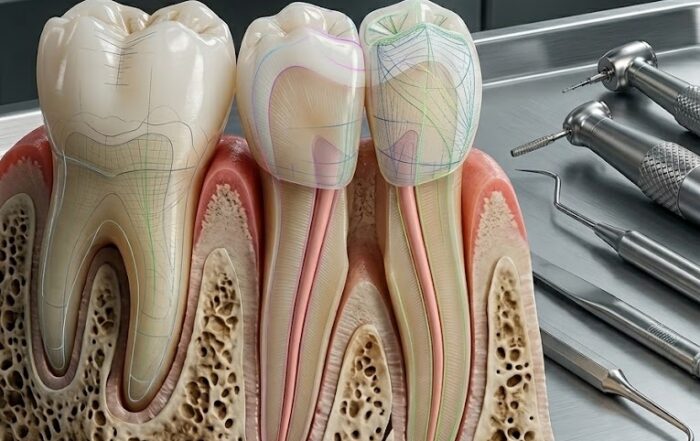
The Bicuspidization Protocol: Engineering Meets Survival
The Bicuspidization Protocol: Engineering Meets Survival Modern restorative dentistry is no longer limited to extraction and replacement. In the era of conservative and biologically [...]

Pulsed Electromagnetic Field (PEMF) Use in Implant Dentistry
Pulsed Electromagnetic Field (PEMF) Use in Implant Dentistry Abstract and Historical Background Pulsed Electromagnetic Field (PEMF) therapy refers to the application of low-frequency electromagnetic [...]
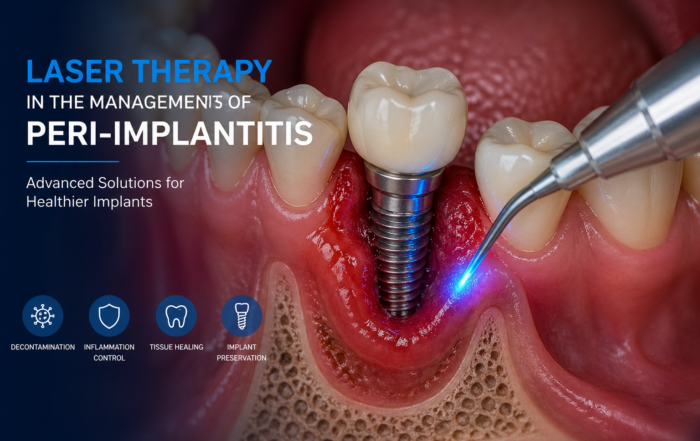
Laser Therapy in the Management of Peri-Implantitis
Laser Therapy in the Management of Peri-Implantitis Laser technology has become an increasingly valuable adjunct in the treatment of peri-implant diseases, particularly peri-implantitis. Its [...]

Magnetically Guided Dental Nanobots (CalBots) Are Real
Magnetically Guided Dental Nanobots (CalBots) Are Real The concept of nanobots in dentistry has long been associated with futuristic speculation. However, recent peer-reviewed research [...]
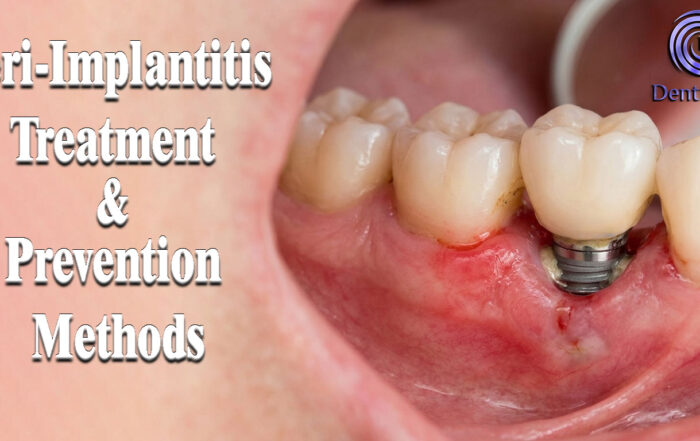
Peri-Implantitis Treatment & Prevention Methods
Peri-Implantitis Treatment & Prevention Methods Peri-implantitis remains one of the most significant biological complications affecting dental implants, posing a serious threat to long-term implant [...]