In-house Aligner Adjustment Instruments: Essential Tools for Modern Orthodontics
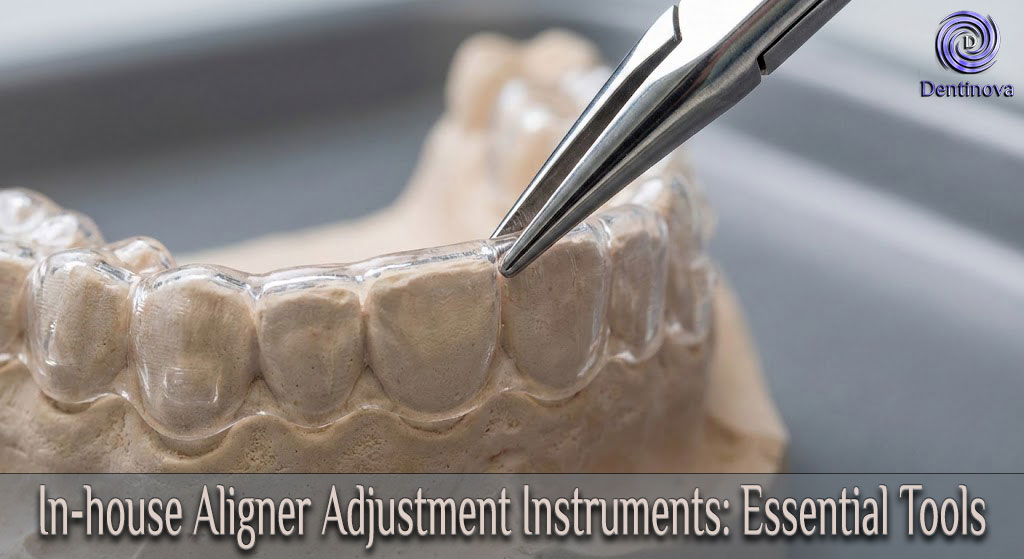
Orthodontists and dental professionals are increasingly relying on in-house aligner adjustment instruments to provide precise, efficient, and patient-friendly treatment. With the rising popularity of clear aligner therapy, the need for specialized instruments to modify, enhance, and retain aligners has grown. These instruments not only improve clinical outcomes but also reduce chairside time and enhance patient comfort. This article explores the most commonly used in-house aligner adjustment instruments, focusing on their specific applications, benefits, and clinical significance.
Understanding the Importance of In-house Aligner Adjustment Instruments
In-house aligner adjustment instruments allow orthodontists to customize clear aligners according to individual patient needs without relying on external laboratories. These instruments enable the clinician to create precision notches, dimples, and cutouts in the aligners to manage tooth movement, retention, and attachment placement effectively. By using these tools, orthodontists can improve appliance fit, reduce treatment duration, and enhance patient compliance. The use of in-house aligner adjustment instruments is particularly valuable in complex cases where standard aligners may not adequately address specific tooth rotations, extrusions, or torque requirements.
Types of In-house Aligner Adjustment Instruments
There are several specialized instruments designed for in-house aligner adjustments. Each instrument serves a unique purpose, whether it is enhancing retention, relieving pressure, or creating space for elastics. The most commonly used instruments include aligner pliers, hole punches, and retention pliers. By understanding the specific function of each tool, dental professionals can select the appropriate instrument for every clinical scenario, ensuring precise aligner modifications and optimal patient outcomes.
1- Aligner Pliers: Precision in Every Adjustment
Aligner pliers are essential in-house aligner adjustment instruments for modifying clear aligners to meet clinical requirements. They allow orthodontists to create notches, indentations, and cutouts that enhance appliance retention and improve tooth movement efficiency. Here is a detailed overview of the most commonly used aligner pliers and their clinical applications:
Tear Drop Pliers
The Tear Drop Pliers are designed to create precise tear-drop shaped notches at the gingival margin of aligners where elastic hooks are needed. This small reservoir ensures that elastics are securely held in place, simplifying placement and improving patient compliance. By providing a predictable and controlled notch, the Tear Drop Plier minimizes the risk of aligner deformation while allowing effective force application. This instrument is particularly useful in cases requiring elastic traction for complex movements such as rotation correction or inter-arch alignment, providing both efficiency and comfort for patients.
Retention Pliers (Mini Dot Pliers)
The Retention Pliers, also known as the Mini Dot Pliers, produce small circular indentations (dimples) of approximately 1 mm diameter in the aligner material. These dimples increase mechanical retention, ensuring that aligners and retainers stay securely on teeth during function. This instrument is ideal for reinforcing difficult tooth movements and enhancing overall appliance stability. By creating additional retention points without compromising aligner aesthetics, the Mini Dot Plier contributes to more predictable tooth movement and improved patient satisfaction, especially in cases of significant crowding or rotation.
Hole Punch Pliers
The Hole Punch Pliers form accurate half-moon cutouts in aligners to relieve pressure around bonded buttons or attachments. This modification ensures soft tissue clearance and prevents discomfort or impingement, improving patient compliance. The precision offered by the Hole Punch Plier minimizes the risk of appliance distortion while allowing attachments to function optimally. It is particularly valuable for cases involving buttons for elastic traction or composite attachments for rotation control, providing both clinical accuracy and patient comfort.
Horizontal Pliers
The Horizontal Pliers create horizontal indentations in the aligner to accentuate root torque or increase retention. By forming a small indent under a bonded attachment or tooth undercut, this plier allows the aligner to apply more effective force on targeted teeth. Horizontal indentations are especially useful in cases requiring torque control or subtle extrusion movements. The precise application of this tool enhances aligner tracking and ensures that treatment goals are met efficiently, reducing the need for additional aligner adjustments.
Vertical Pliers
The Vertical Pliers produce vertical indentations at the mesial or distal line angles on the facial or lingual surfaces of teeth. This technique is useful for over-correcting rotations and improving aligner tracking in complex cases. Vertical indentations provide additional control over tooth movement by increasing aligner grip at critical points, allowing more predictable results. This plier is particularly beneficial in multi-dimensional corrections, such as rotational or tipping movements, where conventional aligners might otherwise struggle to maintain accurate tooth positioning.
2- Scissors and Trimmers
Scissors and trimmers are essential tools for in-house aligner adjustments, allowing clinicians to customize the aligner edges precisely. Orthodontic scissors are used for fine trimming along the gingival margin, while heavy-duty aligner trimmers can scallop or reduce excess material efficiently. Proper trimming ensures patient comfort by preventing soft tissue irritation and improving aligner fit and retention. Scissors and trimmers also help modify aligners after creating notches or holes with pliers, allowing smooth edges. Regular maintenance, sharpness checks, and careful handling are necessary to prevent rough edges or accidental deformation of the aligner during adjustments.
3- Burs and Polishing Tools
Burs and polishing tools refine aligner modifications and ensure patient comfort. After trimming, punching, or creating dimples, edges can be rough or sharp, which may irritate the gingiva or lips. Dental burs, including round and tapered burs, allow precise smoothing of aligner cutouts, while silicone polishers and acrylic polishers provide a finished, comfortable surface. Polishing also minimizes plaque accumulation and preserves aligner transparency. Using these tools in combination enhances the quality of in-house adjustments, allowing clinicians to maintain both aesthetic and functional integrity of aligners. Proper sterilization and careful handling prevent material damage during adjustments.
4- Thermoforming and Heating Devices
Thermoforming and heating devices are used to adapt aligners for optimal fit and comfort. Heated baths, specialized aligner heaters, or thermoforming presses allow controlled softening of the aligner material to correct minor distortions or adjust pressure points. They are especially useful when accommodating attachments, correcting minor misfits, or performing in-clinic modifications. These devices ensure precise adaptation without compromising the aligner’s structural integrity. Proper temperature control is critical to avoid warping or overstretching the material. Thermoforming tools provide orthodontists with flexibility for real-time adjustments, improving patient satisfaction, appliance retention, and treatment outcomes in clear aligner therapy.
5- Attachment Placement Instruments
Attachment placement instruments are vital for bonding composite attachments or buttons directly in the clinic. These instruments include light-curing units, composite applicators, and bonding tools designed to accurately position attachments that enhance aligner performance. Properly placed attachments allow aligners to apply targeted forces, facilitating difficult movements such as rotations, extrusions, or torque. In-house placement ensures precision, reduces errors, and eliminates dependence on lab services. Clinicians can adjust or remove attachments easily during treatment. Using high-quality attachment instruments improves patient comfort, appliance efficiency, and treatment predictability. Training and consistent technique are essential to achieve accurate placement and secure bonding.
6- Impression and Scanning Materials
Impression and scanning materials are fundamental for in-house aligner adjustments, allowing clinicians to create precise references of a patient’s dentition. Traditional polyvinyl siloxane (PVS) materials or intraoral scanners capture accurate dental anatomy for model fabrication. 3D printed models can then be used for verifying aligner fit, planning adjustments, or customizing appliances. These tools enable clinicians to assess aligner seating, plan notches or dimples, and pre-visualize modifications before implementation. Accurate impressions and scans reduce errors, improve treatment efficiency, and increase patient satisfaction. Combining digital and analog techniques ensures precise clinical outcomes and enhances the predictability of aligner therapy.
7- Pressure or Seat Check Tools
Pressure or seat check tools are used to evaluate the fit and force distribution of aligners after modifications. Pressure-indicating pastes, fit-checkers, or articulating papers reveal high-pressure areas, under-seated regions, or impingements. Identifying these issues allows the clinician to make immediate in-house adjustments, ensuring proper tooth engagement and patient comfort. These tools help verify that notches, dimples, or cutouts created with pliers or trimmers are effective without compromising appliance integrity. Routine use enhances treatment predictability, prevents soft tissue irritation, and improves aligner tracking. Pressure check tools are indispensable for maintaining consistent, precise, and efficient clear aligner therapy outcomes.
8- Elastic Hooks and Accessories
Elastic hooks and related accessories are small but essential in-house aligner adjustment tools. Preformed hooks, composite reservoirs, or bonded buttons allow elastics to be incorporated into the aligner system for inter-arch corrections or occlusal adjustments. These accessories work in conjunction with Tear Drop or Hole Punch Pliers to ensure elastics are held securely and applied effectively. Proper use enhances tooth movement, alignment, and retention while minimizing discomfort or appliance distortion. Having elastic hooks and accessories available in-clinic allows real-time customization of aligners, increasing treatment efficiency and patient compliance. Quality materials and precise placement ensure durability and predictable orthodontic results.
9- Retention and Storage Solutions
Retention and storage solutions are critical for maintaining the integrity, hygiene, and longevity of in-house modified aligners. Aligners can be safely stored in custom cases or soft pouches between adjustments, preventing warping, contamination, or accidental loss. Disinfectant sprays or cleaning agents help maintain oral hygiene and preserve aligner transparency. These solutions also protect patient investments by keeping appliances in optimal condition during treatment. Easy-to-use storage options streamline chairside workflow and facilitate patient compliance. A systematic approach to retention and storage ensures aligners remain accurate, hygienic, and functional, enhancing overall clinical efficiency and treatment outcomes.
Clinical Benefits of Using Aligner Adjustment Instruments
The use of aligner adjustment instruments offers numerous clinical advantages. They allow orthodontists to provide precise modifications directly in the clinic, reducing the need for repeated laboratory adjustments. These tools enhance aligner fit, improve retention, and facilitate complex tooth movements with greater accuracy. Additionally, in-house adjustments can decrease treatment duration, reduce patient discomfort, and improve overall compliance. The ability to make real-time modifications ensures that aligner therapy is highly adaptable, predictable, and efficient for both clinicians and patients.
Best Practices for Using Aligner Adjustment Instruments
Effective use of aligner adjustment instruments requires proper training and technique. Clinicians should ensure that modifications are precise, avoiding over-notching or excessive dimpling that could compromise aligner integrity. Aligners should be inspected for proper fit after every adjustment, and patient instructions must emphasize careful handling of the appliance. Selecting the appropriate plier for each clinical need and understanding its specific effect on tooth movement is essential. Maintaining clean, sharp, and well-calibrated instruments will further enhance performance and longevity, ensuring optimal outcomes in clear aligner therapy.
Conclusion
Aligner adjustment instruments are indispensable tools for modern orthodontics. From creating precise notches with Tear Drop Pliers to enhancing retention with Mini Dot Pliers, these instruments empower clinicians to customize aligners effectively. They play a critical role in optimizing tooth movement, improving aligner fit, and increasing patient compliance. By mastering the use of these tools, dental professionals can deliver highly predictable, efficient, and comfortable clear aligner therapy, setting a new standard for orthodontic care.
FAQ: In-house Aligner Adjustment Instruments
Q1: What are in-house aligner adjustment instruments used for?
A: In-house aligner adjustment instruments are used by orthodontists to customize clear aligners directly in the clinic. They allow precise modifications such as creating notches, dimples, or cutouts to improve fit, enhance retention, accommodate attachments, and facilitate complex tooth movements. Using these tools ensures predictable outcomes, reduces reliance on external laboratories, and increases patient comfort and compliance.
Q2: Which pliers are essential for in-house aligner adjustments?
A: The most commonly used pliers include:
Tear Drop Plier: Creates tear-drop notches for elastics.
Retention (Mini Dot) Plier: Produces small dimples for retention.
Hole Punch Plier: Forms half-moon cutouts around attachments.
Horizontal Plier: Adds horizontal indentations for torque or retention.
Vertical Plier: Produces vertical indentations for rotation corrections.
These pliers allow targeted and controlled modifications, improving aligner efficiency.
Q3: What other instruments are required besides pliers?
A: A complete in-house aligner adjustment setup should include: scissors and trimmers, burs and polishers, thermoforming devices, attachment placement instruments, impression/scanning materials, pressure check tools, elastic hooks, and storage solutions. Each instrument serves a unique purpose, from refining edges and smoothing aligners to verifying fit and applying attachments or elastics, ensuring safe and precise modifications.
Q4: How do I ensure aligners fit properly after in-house adjustments?
A: Fit can be checked using pressure-indicating pastes, articulating paper, or fit-checkers. These tools reveal areas of overpressure, underpressure, or impingement, allowing immediate in-clinic corrections. Ensuring proper fit after adjustments enhances patient comfort, aligner tracking, and treatment predictability, reducing the likelihood of appliance distortion or soft tissue irritation.
Q5: Can in-house adjustments affect the aligner material?
A: Yes, improper use of tools, excessive heat, or over-notching can distort aligner material. Using specialized instruments like thermoforming devices, precise pliers, and polishers minimizes risk. Clinicians should follow recommended protocols, check aligner integrity after each modification, and ensure tools are sharp, calibrated, and properly maintained to preserve material strength and transparency.
Q6: Are in-house adjustments beneficial for complex orthodontic cases?
A: Absolutely. In-house adjustments allow precise modifications to address rotations, extrusions, torque, and difficult tooth movements. By creating targeted notches, dimples, and cutouts, clinicians can enhance aligner retention and efficiency, reducing treatment time and improving outcomes. Patients also experience increased comfort and compliance, making these instruments essential for modern clear aligner therapy.
Recent Articles

























Orthodontists and dental professionals are increasingly relying on in-house aligner adjustment instruments to provide precise, efficient, and patient-friendly treatment. With the rising popularity of clear aligner therapy, the need for specialized instruments to modify, enhance, and retain aligners has grown. These instruments not only improve clinical outcomes but also reduce chairside time and enhance patient comfort. This article explores the most commonly used in-house aligner adjustment instruments, focusing on their specific applications, benefits, and clinical significance.
Understanding the Importance of In-house Aligner Adjustment Instruments
In-house aligner adjustment instruments allow orthodontists to customize clear aligners according to individual patient needs without relying on external laboratories. These instruments enable the clinician to create precision notches, dimples, and cutouts in the aligners to manage tooth movement, retention, and attachment placement effectively. By using these tools, orthodontists can improve appliance fit, reduce treatment duration, and enhance patient compliance. The use of in-house aligner adjustment instruments is particularly valuable in complex cases where standard aligners may not adequately address specific tooth rotations, extrusions, or torque requirements.
Types of In-house Aligner Adjustment Instruments
There are several specialized instruments designed for in-house aligner adjustments. Each instrument serves a unique purpose, whether it is enhancing retention, relieving pressure, or creating space for elastics. The most commonly used instruments include aligner pliers, hole punches, and retention pliers. By understanding the specific function of each tool, dental professionals can select the appropriate instrument for every clinical scenario, ensuring precise aligner modifications and optimal patient outcomes.
1- Aligner Pliers: Precision in Every Adjustment
Aligner pliers are essential in-house aligner adjustment instruments for modifying clear aligners to meet clinical requirements. They allow orthodontists to create notches, indentations, and cutouts that enhance appliance retention and improve tooth movement efficiency. Here is a detailed overview of the most commonly used aligner pliers and their clinical applications:
Tear Drop Pliers
The Tear Drop Pliers are designed to create precise tear-drop shaped notches at the gingival margin of aligners where elastic hooks are needed. This small reservoir ensures that elastics are securely held in place, simplifying placement and improving patient compliance. By providing a predictable and controlled notch, the Tear Drop Plier minimizes the risk of aligner deformation while allowing effective force application. This instrument is particularly useful in cases requiring elastic traction for complex movements such as rotation correction or inter-arch alignment, providing both efficiency and comfort for patients.
Retention Pliers (Mini Dot Pliers)
The Retention Pliers, also known as the Mini Dot Pliers, produce small circular indentations (dimples) of approximately 1 mm diameter in the aligner material. These dimples increase mechanical retention, ensuring that aligners and retainers stay securely on teeth during function. This instrument is ideal for reinforcing difficult tooth movements and enhancing overall appliance stability. By creating additional retention points without compromising aligner aesthetics, the Mini Dot Plier contributes to more predictable tooth movement and improved patient satisfaction, especially in cases of significant crowding or rotation.
Hole Punch Pliers
The Hole Punch Pliers form accurate half-moon cutouts in aligners to relieve pressure around bonded buttons or attachments. This modification ensures soft tissue clearance and prevents discomfort or impingement, improving patient compliance. The precision offered by the Hole Punch Plier minimizes the risk of appliance distortion while allowing attachments to function optimally. It is particularly valuable for cases involving buttons for elastic traction or composite attachments for rotation control, providing both clinical accuracy and patient comfort.
Horizontal Pliers
The Horizontal Pliers create horizontal indentations in the aligner to accentuate root torque or increase retention. By forming a small indent under a bonded attachment or tooth undercut, this plier allows the aligner to apply more effective force on targeted teeth. Horizontal indentations are especially useful in cases requiring torque control or subtle extrusion movements. The precise application of this tool enhances aligner tracking and ensures that treatment goals are met efficiently, reducing the need for additional aligner adjustments.
Vertical Pliers
The Vertical Pliers produce vertical indentations at the mesial or distal line angles on the facial or lingual surfaces of teeth. This technique is useful for over-correcting rotations and improving aligner tracking in complex cases. Vertical indentations provide additional control over tooth movement by increasing aligner grip at critical points, allowing more predictable results. This plier is particularly beneficial in multi-dimensional corrections, such as rotational or tipping movements, where conventional aligners might otherwise struggle to maintain accurate tooth positioning.
2- Scissors and Trimmers
Scissors and trimmers are essential tools for in-house aligner adjustments, allowing clinicians to customize the aligner edges precisely. Orthodontic scissors are used for fine trimming along the gingival margin, while heavy-duty aligner trimmers can scallop or reduce excess material efficiently. Proper trimming ensures patient comfort by preventing soft tissue irritation and improving aligner fit and retention. Scissors and trimmers also help modify aligners after creating notches or holes with pliers, allowing smooth edges. Regular maintenance, sharpness checks, and careful handling are necessary to prevent rough edges or accidental deformation of the aligner during adjustments.
3- Burs and Polishing Tools
Burs and polishing tools refine aligner modifications and ensure patient comfort. After trimming, punching, or creating dimples, edges can be rough or sharp, which may irritate the gingiva or lips. Dental burs, including round and tapered burs, allow precise smoothing of aligner cutouts, while silicone polishers and acrylic polishers provide a finished, comfortable surface. Polishing also minimizes plaque accumulation and preserves aligner transparency. Using these tools in combination enhances the quality of in-house adjustments, allowing clinicians to maintain both aesthetic and functional integrity of aligners. Proper sterilization and careful handling prevent material damage during adjustments.
4- Thermoforming and Heating Devices
Thermoforming and heating devices are used to adapt aligners for optimal fit and comfort. Heated baths, specialized aligner heaters, or thermoforming presses allow controlled softening of the aligner material to correct minor distortions or adjust pressure points. They are especially useful when accommodating attachments, correcting minor misfits, or performing in-clinic modifications. These devices ensure precise adaptation without compromising the aligner’s structural integrity. Proper temperature control is critical to avoid warping or overstretching the material. Thermoforming tools provide orthodontists with flexibility for real-time adjustments, improving patient satisfaction, appliance retention, and treatment outcomes in clear aligner therapy.
5- Attachment Placement Instruments
Attachment placement instruments are vital for bonding composite attachments or buttons directly in the clinic. These instruments include light-curing units, composite applicators, and bonding tools designed to accurately position attachments that enhance aligner performance. Properly placed attachments allow aligners to apply targeted forces, facilitating difficult movements such as rotations, extrusions, or torque. In-house placement ensures precision, reduces errors, and eliminates dependence on lab services. Clinicians can adjust or remove attachments easily during treatment. Using high-quality attachment instruments improves patient comfort, appliance efficiency, and treatment predictability. Training and consistent technique are essential to achieve accurate placement and secure bonding.
6- Impression and Scanning Materials
Impression and scanning materials are fundamental for in-house aligner adjustments, allowing clinicians to create precise references of a patient’s dentition. Traditional polyvinyl siloxane (PVS) materials or intraoral scanners capture accurate dental anatomy for model fabrication. 3D printed models can then be used for verifying aligner fit, planning adjustments, or customizing appliances. These tools enable clinicians to assess aligner seating, plan notches or dimples, and pre-visualize modifications before implementation. Accurate impressions and scans reduce errors, improve treatment efficiency, and increase patient satisfaction. Combining digital and analog techniques ensures precise clinical outcomes and enhances the predictability of aligner therapy.
7- Pressure or Seat Check Tools
Pressure or seat check tools are used to evaluate the fit and force distribution of aligners after modifications. Pressure-indicating pastes, fit-checkers, or articulating papers reveal high-pressure areas, under-seated regions, or impingements. Identifying these issues allows the clinician to make immediate in-house adjustments, ensuring proper tooth engagement and patient comfort. These tools help verify that notches, dimples, or cutouts created with pliers or trimmers are effective without compromising appliance integrity. Routine use enhances treatment predictability, prevents soft tissue irritation, and improves aligner tracking. Pressure check tools are indispensable for maintaining consistent, precise, and efficient clear aligner therapy outcomes.
8- Elastic Hooks and Accessories
Elastic hooks and related accessories are small but essential in-house aligner adjustment tools. Preformed hooks, composite reservoirs, or bonded buttons allow elastics to be incorporated into the aligner system for inter-arch corrections or occlusal adjustments. These accessories work in conjunction with Tear Drop or Hole Punch Pliers to ensure elastics are held securely and applied effectively. Proper use enhances tooth movement, alignment, and retention while minimizing discomfort or appliance distortion. Having elastic hooks and accessories available in-clinic allows real-time customization of aligners, increasing treatment efficiency and patient compliance. Quality materials and precise placement ensure durability and predictable orthodontic results.
9- Retention and Storage Solutions
Retention and storage solutions are critical for maintaining the integrity, hygiene, and longevity of in-house modified aligners. Aligners can be safely stored in custom cases or soft pouches between adjustments, preventing warping, contamination, or accidental loss. Disinfectant sprays or cleaning agents help maintain oral hygiene and preserve aligner transparency. These solutions also protect patient investments by keeping appliances in optimal condition during treatment. Easy-to-use storage options streamline chairside workflow and facilitate patient compliance. A systematic approach to retention and storage ensures aligners remain accurate, hygienic, and functional, enhancing overall clinical efficiency and treatment outcomes.
Clinical Benefits of Using Aligner Adjustment Instruments
The use of aligner adjustment instruments offers numerous clinical advantages. They allow orthodontists to provide precise modifications directly in the clinic, reducing the need for repeated laboratory adjustments. These tools enhance aligner fit, improve retention, and facilitate complex tooth movements with greater accuracy. Additionally, in-house adjustments can decrease treatment duration, reduce patient discomfort, and improve overall compliance. The ability to make real-time modifications ensures that aligner therapy is highly adaptable, predictable, and efficient for both clinicians and patients.
Best Practices for Using Aligner Adjustment Instruments
Effective use of aligner adjustment instruments requires proper training and technique. Clinicians should ensure that modifications are precise, avoiding over-notching or excessive dimpling that could compromise aligner integrity. Aligners should be inspected for proper fit after every adjustment, and patient instructions must emphasize careful handling of the appliance. Selecting the appropriate plier for each clinical need and understanding its specific effect on tooth movement is essential. Maintaining clean, sharp, and well-calibrated instruments will further enhance performance and longevity, ensuring optimal outcomes in clear aligner therapy.
Conclusion
Aligner adjustment instruments are indispensable tools for modern orthodontics. From creating precise notches with Tear Drop Pliers to enhancing retention with Mini Dot Pliers, these instruments empower clinicians to customize aligners effectively. They play a critical role in optimizing tooth movement, improving aligner fit, and increasing patient compliance. By mastering the use of these tools, dental professionals can deliver highly predictable, efficient, and comfortable clear aligner therapy, setting a new standard for orthodontic care.
FAQ: In-house Aligner Adjustment Instruments
Q1: What are in-house aligner adjustment instruments used for?
A: In-house aligner adjustment instruments are used by orthodontists to customize clear aligners directly in the clinic. They allow precise modifications such as creating notches, dimples, or cutouts to improve fit, enhance retention, accommodate attachments, and facilitate complex tooth movements. Using these tools ensures predictable outcomes, reduces reliance on external laboratories, and increases patient comfort and compliance.
Q2: Which pliers are essential for in-house aligner adjustments?
A: The most commonly used pliers include:
Tear Drop Plier: Creates tear-drop notches for elastics.
Retention (Mini Dot) Plier: Produces small dimples for retention.
Hole Punch Plier: Forms half-moon cutouts around attachments.
Horizontal Plier: Adds horizontal indentations for torque or retention.
Vertical Plier: Produces vertical indentations for rotation corrections.
These pliers allow targeted and controlled modifications, improving aligner efficiency.
Q3: What other instruments are required besides pliers?
A: A complete in-house aligner adjustment setup should include: scissors and trimmers, burs and polishers, thermoforming devices, attachment placement instruments, impression/scanning materials, pressure check tools, elastic hooks, and storage solutions. Each instrument serves a unique purpose, from refining edges and smoothing aligners to verifying fit and applying attachments or elastics, ensuring safe and precise modifications.
Q4: How do I ensure aligners fit properly after in-house adjustments?
A: Fit can be checked using pressure-indicating pastes, articulating paper, or fit-checkers. These tools reveal areas of overpressure, underpressure, or impingement, allowing immediate in-clinic corrections. Ensuring proper fit after adjustments enhances patient comfort, aligner tracking, and treatment predictability, reducing the likelihood of appliance distortion or soft tissue irritation.
Q5: Can in-house adjustments affect the aligner material?
A: Yes, improper use of tools, excessive heat, or over-notching can distort aligner material. Using specialized instruments like thermoforming devices, precise pliers, and polishers minimizes risk. Clinicians should follow recommended protocols, check aligner integrity after each modification, and ensure tools are sharp, calibrated, and properly maintained to preserve material strength and transparency.
Q6: Are in-house adjustments beneficial for complex orthodontic cases?
A: Absolutely. In-house adjustments allow precise modifications to address rotations, extrusions, torque, and difficult tooth movements. By creating targeted notches, dimples, and cutouts, clinicians can enhance aligner retention and efficiency, reducing treatment time and improving outcomes. Patients also experience increased comfort and compliance, making these instruments essential for modern clear aligner therapy.
Recent Articles
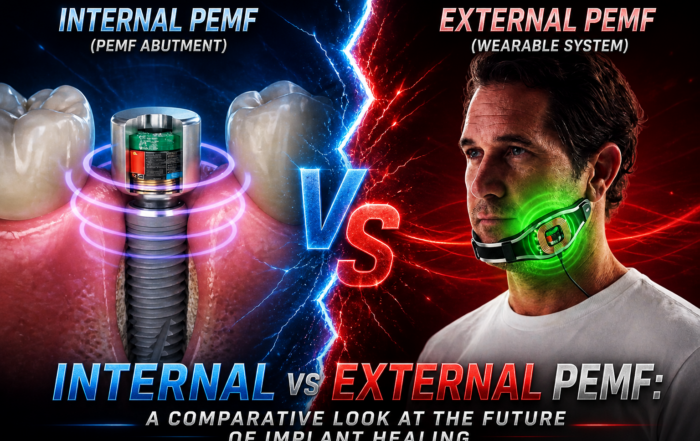
Pulsed Electromagnetic Field (PEMF) Use in Implant Dentistry
Pulsed Electromagnetic Field (PEMF) Use in Implant Dentistry Abstract and Historical Background Pulsed Electromagnetic Field (PEMF) therapy refers to the application of low-frequency electromagnetic [...]
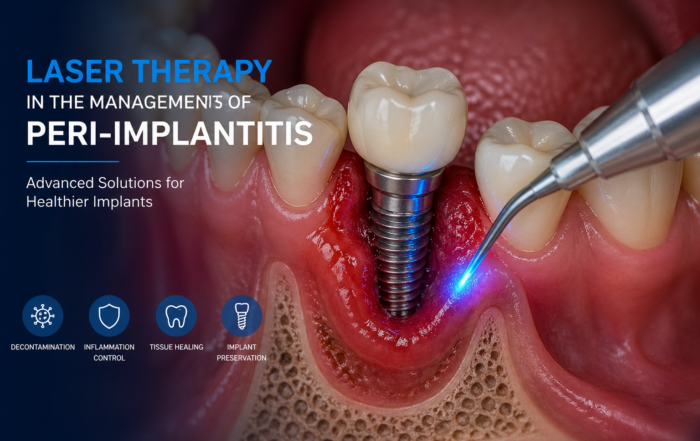
Laser Therapy in the Management of Peri-Implantitis
Laser Therapy in the Management of Peri-Implantitis Laser technology has become an increasingly valuable adjunct in the treatment of peri-implant diseases, particularly peri-implantitis. Its [...]
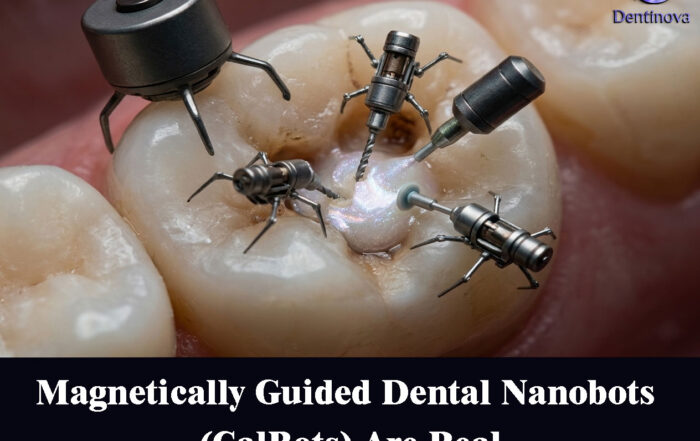
Magnetically Guided Dental Nanobots (CalBots) Are Real
Magnetically Guided Dental Nanobots (CalBots) Are Real The concept of nanobots in dentistry has long been associated with futuristic speculation. However, recent peer-reviewed research [...]
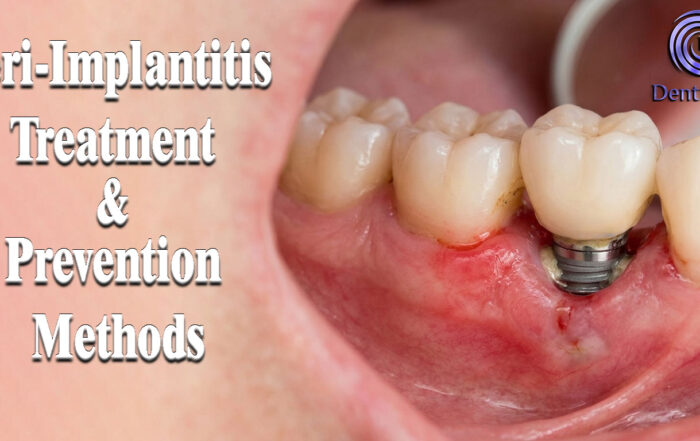
Peri-Implantitis Treatment & Prevention Methods
Peri-Implantitis Treatment & Prevention Methods Peri-implantitis remains one of the most significant biological complications affecting dental implants, posing a serious threat to long-term implant [...]
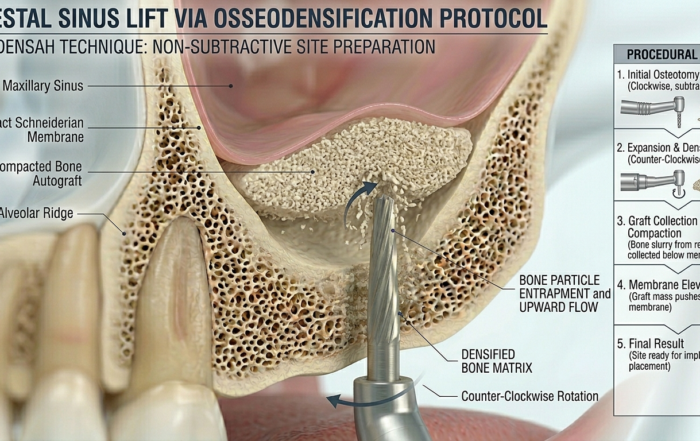
Latest Sinus Lifting Techniques in Modern Implant Dentistry
Latest Sinus Lifting Techniques in Modern Implant Dentistry A Comprehensive Clinical Review Introduction to Sinus Lifting in Implantology Sinus lifting, or maxillary sinus floor [...]
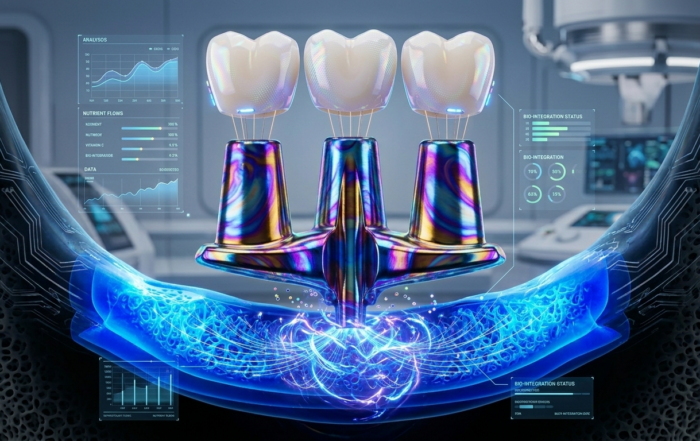
Biomechanics of the Triple Abutment & BOPiT Concept
Dental Biomechanics · Implant Science · Clinical Evidence Biomechanics of the Triple Abutment & BOPiT Concept How a saddle-shaped mathematical surface is rewriting the rules of load distribution [...]