Treating Overjet With Clear Aligners
Introduction
Overjet is one of the most common sagittal discrepancies encountered in orthodontic practice. Defined as the horizontal distance between the maxillary and mandibular incisors, excessive overjet is associated with functional impairment, increased risk of dental trauma, esthetic concerns, and psychosocial impact—particularly in adolescents. Traditionally, fixed appliances and functional orthopedic devices such as the Twin Block have been the mainstay for overjet correction. However, over the past two decades, clear aligner therapy has emerged as a widely accepted alternative, driven by advances in digital treatment planning, material science, and patient demand for esthetic solutions.
This article reviews the effectiveness of clear aligners in treating overjet, comparing their dentoskeletal effects and clinical outcomes with fixed appliances and functional appliances, based on current orthodontic literature.
Etiology and Classification of Overjet
Excessive overjet can arise from dental, skeletal, or combined etiologies. Dental overjet is often caused by proclination of maxillary incisors or retroclination of mandibular incisors, whereas skeletal overjet is typically associated with maxillary prognathism, mandibular retrognathism, or both. The distinction is critical, as it directly influences appliance selection and treatment mechanics.
Mild to moderate overjet cases are frequently dental in nature and respond well to orthodontic tooth movement alone. In contrast, growing patients with skeletal Class II discrepancies may require functional appliances to modify jaw growth, while severe skeletal cases in adults may necessitate orthognathic intervention.
Biomechanics of Overjet Correction With Clear Aligners
Clear aligners primarily correct overjet through controlled incisor retraction, proclination correction, interproximal reduction, arch expansion, and selective use of Class II elastics. Digital treatment planning allows clinicians to simulate tooth movement in incremental stages, enhancing predictability compared with early aligner systems.
Aligner-based overjet reduction is largely dentoalveolar rather than skeletal. The ability of aligners to deliver bodily tooth movement depends on optimized attachments, aligner material stiffness, and patient compliance. Unlike fixed appliances, aligners rely heavily on full-time wear to achieve the planned force systems.
Clear Aligners vs Fixed Appliances in Overjet Treatment
Multiple comparative studies have evaluated treatment effectiveness between clear aligners and fixed appliances. Overall, the evidence suggests that both modalities are capable of achieving clinically acceptable overjet reduction, particularly in mild to moderate malocclusions.
Fixed appliances demonstrate superior control over complex tooth movements, including torque expression and vertical control. However, studies assessing teenage populations with mild malocclusions have shown that clear aligners can achieve comparable reductions in overjet and overbite when cases are properly selected.
One consistent finding across comparative analyses is that fixed appliances may achieve slightly greater absolute correction in less time, while aligners offer improved esthetics, oral hygiene, and patient comfort. Importantly, the final overjet values achieved with aligners generally fall within normal limits, even if the rate of correction is marginally slower.
Visiting Hurghada for Clear Aligner Treatment
Treating overjet with clear aligners has become one of the most effective and discreet orthodontic solutions for adults and teens seeking modern smile correction. At Dentinova Dental Clinic in Hurghada, we provide advanced clear aligners orthodontic treatment in Hurghada for patients with protruding front teeth, bite imbalance, and aesthetic concerns. Using precise digital scans and 3D treatment planning, our orthodontic approach gently moves teeth into ideal alignment without the discomfort or visibility of traditional braces. Patients from Mubarak 6 and the Intercontinental Area choose our clinic for predictable results and personalized care.
Clear aligners are especially effective for mild to moderate overjet cases, offering controlled tooth movement while maintaining comfort and appearance. At Dentinova Dental Clinic, located at 106 Intercontinental Area, Mubarak 6, Hurghada, Red Sea, Egypt, orthodontic treatment is led by highly experienced consultants who combine functional bite correction with aesthetic smile design. This ensures not only a straighter smile, but also improved jaw balance, speech, and long-term dental health. For patients looking for trusted clear aligners in Hurghada, our clinic delivers modern orthodontics with excellent outcomes at an affordable price.
Predictability of Overjet Reduction With Clear Aligners
Predictability remains a central concern in aligner therapy. Retrospective analyses comparing predicted versus achieved outcomes have demonstrated that overjet reduction with aligners is moderately to highly predictable, particularly when movements are primarily sagittal and within biologically acceptable limits.
Overjet correction tends to be more predictable than overbite correction, likely due to the challenges associated with vertical tooth movement using removable appliances. Incisor retraction and labiolingual movements, which directly influence overjet, are among the most reliably achieved movements with aligners.
Nevertheless, discrepancies between planned and achieved results still occur. These often necessitate refinement stages, highlighting the importance of overcorrection strategies and realistic treatment planning when managing overjet with aligners.
Clear Aligners vs Functional Appliances (Twin Block)
Functional appliances such as the Twin Block are designed to modify mandibular growth in growing patients with skeletal Class II malocclusion. Short-term comparative studies evaluating dentoskeletal effects between clear aligners and Twin Block therapy provide important insights into their respective roles.
Twin Block therapy produces more pronounced skeletal effects, including forward positioning of the mandible and changes in mandibular length during active growth phases. Clear aligners, in contrast, primarily induce dentoalveolar changes, with minimal skeletal impact.
In adolescents near or past their peak growth phase, aligners combined with Class II elastics may offer acceptable camouflage outcomes for moderate overjet. However, for patients requiring true orthopedic correction, functional appliances remain more effective.
Thus, clear aligners should not be considered a direct replacement for functional appliances in growing patients with significant skeletal discrepancies, but rather an alternative in carefully selected borderline cases.
Treatment Outcomes in Adolescents
Studies focusing on teenage patients with mild malocclusions show promising results for clear aligner therapy. In this population, overjet reduction achieved with aligners is often comparable to that of fixed appliances, provided compliance is adequate.
Adolescents treated with aligners benefit from improved esthetics, which may positively influence social confidence and treatment acceptance. However, compliance remains a critical variable, as inconsistent wear can compromise overjet correction more significantly than with fixed appliances.
Clinical outcome assessments indicate no significant differences in final overjet measurements between aligner and fixed appliance groups in mild cases, reinforcing the viability of aligners as a treatment option for selected adolescent patients.
Limitations and Clinical Considerations
Despite their advantages, clear aligners have limitations in overjet management. Severe skeletal Class II cases, large overjet values, and patients with low compliance are less suitable candidates. Additionally, achieving precise incisor torque control remains more challenging with aligners compared to fixed appliances.
Treatment duration may be longer, and refinement stages are common. Clinicians must also account for anchorage considerations, as aligners distribute forces differently than brackets and wires.
Proper case selection, realistic treatment goals, and patient education are essential to optimize outcomes. Overjet correction with aligners should be planned conservatively, with an understanding of the biological and mechanical constraints of removable appliances.
Future Directions in Aligner-Based Overjet Treatment
Advances in aligner materials, attachment design, and digital treatment algorithms continue to improve the predictability of overjet correction. Hybrid approaches—combining aligners with temporary anchorage devices or limited fixed mechanics—are expanding the scope of cases that can be treated successfully.
As research evolves, long-term comparative data will further clarify the role of aligners in managing sagittal discrepancies. For now, evidence supports their use as an effective, patient-friendly option for dental and mild skeletal overjet correction.
Conclusion
Clear aligners represent a clinically effective modality for treating overjet in properly selected patients. Current evidence demonstrates that aligners can achieve predictable overjet reduction comparable to fixed appliances in mild to moderate cases, particularly in adolescents and adults with primarily dentoalveolar discrepancies.
While functional appliances remain superior for skeletal correction during growth, aligners offer significant advantages in comfort, esthetics, and oral hygiene. When used with sound clinical judgment and supported by digital planning, clear aligners are a valuable tool in modern overjet management.
Treatment Duration of Overjet With Clear Aligners
The typical treatment duration for an overjet with Clear Aligners ranges from 9 to 30 months, according to the degree of the overjet.
Clear Aligners Vs. Fixed Braces
Clear aligners have demonstrated the capacity to effectively address a range of complex orthodontic issues, including overjets. This treatment modality can achieve comparable results to traditional braces, and the enhanced convenience offered by clear aligners has significantly increased their appeal to patients.
Clear aligners minimize the risk of cheek irritation often associated with traditional braces, which can feature brackets and wires. This streamlined design facilitates easier and more comfortable use for the patient.
Scientific Studies on Treating Overjet with Clear Aligners
A comparison of treatment effectiveness between clear aligner and fixed appliance therapies
Dentoskeletal effects of clear aligner vs twin block—a short-term study of functional appliancesDentoskelettale Auswirkungen von Clear Aligner vs. Twin Block – eine Kurzzeitstudie zu funktionellen Apparaturen
Outcome assessment of orthodontic clear aligner vs fixed appliance treatment in a teenage population with mild malocclusions
Predicted and achieved overjet and overbite measurements with the Invisalign appliance: a retrospective study
FAQ
What is an Overjet?
An overjet occurs when your upper teeth significantly extend beyond your lower teeth.
What Causes an Overjet?
This common dental condition can arise from various factors, such as genetics, thumb-sucking habits, or past injuries.
Why Overjet is a concern!
An overjet can hinder proper chewing and biting and potentially cause speech difficulties. Clear Aligners offer an effective solution for correcting overjets. Clear Aligners can address this orthodontic concern by gradually shifting teeth into their ideal positions.
Clear Aligners in Treating Overjets
Clear Aligners are a widely recognized treatment option for correcting overjets. It involves the use of clear, removable aligners that gradually guide the teeth into their proper positions.
Advantages of Treating Overjet With Clear Aligners
The removable nature of these aligners enhances the patient’s convenience and comfort. Compared to traditional braces, clear aligner treatment is generally faster and eliminates the need for uncomfortable wire adjustments.
Clear Aligners offer numerous advantages for overjet correction. They are virtually invisible, making them highly aesthetically pleasing. They are also exceptionally comfortable to wear, and treatment typically progresses more rapidly than with traditional braces.
While clear aligners require significantly less maintenance than traditional braces, there are still essential steps to ensure the success of your treatment and maintain optimal oral health.
Recent Articles






















Introduction
Overjet is one of the most common sagittal discrepancies encountered in orthodontic practice. Defined as the horizontal distance between the maxillary and mandibular incisors, excessive overjet is associated with functional impairment, increased risk of dental trauma, esthetic concerns, and psychosocial impact—particularly in adolescents. Traditionally, fixed appliances and functional orthopedic devices such as the Twin Block have been the mainstay for overjet correction. However, over the past two decades, clear aligner therapy has emerged as a widely accepted alternative, driven by advances in digital treatment planning, material science, and patient demand for esthetic solutions.
This article reviews the effectiveness of clear aligners in treating overjet, comparing their dentoskeletal effects and clinical outcomes with fixed appliances and functional appliances, based on current orthodontic literature.
Etiology and Classification of Overjet
Excessive overjet can arise from dental, skeletal, or combined etiologies. Dental overjet is often caused by proclination of maxillary incisors or retroclination of mandibular incisors, whereas skeletal overjet is typically associated with maxillary prognathism, mandibular retrognathism, or both. The distinction is critical, as it directly influences appliance selection and treatment mechanics.
Mild to moderate overjet cases are frequently dental in nature and respond well to orthodontic tooth movement alone. In contrast, growing patients with skeletal Class II discrepancies may require functional appliances to modify jaw growth, while severe skeletal cases in adults may necessitate orthognathic intervention.
Biomechanics of Overjet Correction With Clear Aligners
Clear aligners primarily correct overjet through controlled incisor retraction, proclination correction, interproximal reduction, arch expansion, and selective use of Class II elastics. Digital treatment planning allows clinicians to simulate tooth movement in incremental stages, enhancing predictability compared with early aligner systems.
Aligner-based overjet reduction is largely dentoalveolar rather than skeletal. The ability of aligners to deliver bodily tooth movement depends on optimized attachments, aligner material stiffness, and patient compliance. Unlike fixed appliances, aligners rely heavily on full-time wear to achieve the planned force systems.
Clear Aligners vs Fixed Appliances in Overjet Treatment
Multiple comparative studies have evaluated treatment effectiveness between clear aligners and fixed appliances. Overall, the evidence suggests that both modalities are capable of achieving clinically acceptable overjet reduction, particularly in mild to moderate malocclusions.
Fixed appliances demonstrate superior control over complex tooth movements, including torque expression and vertical control. However, studies assessing teenage populations with mild malocclusions have shown that clear aligners can achieve comparable reductions in overjet and overbite when cases are properly selected.
One consistent finding across comparative analyses is that fixed appliances may achieve slightly greater absolute correction in less time, while aligners offer improved esthetics, oral hygiene, and patient comfort. Importantly, the final overjet values achieved with aligners generally fall within normal limits, even if the rate of correction is marginally slower.
Visiting Hurghada for Clear Aligner Treatment
Treating overjet with clear aligners has become one of the most effective and discreet orthodontic solutions for adults and teens seeking modern smile correction. At Dentinova Dental Clinic in Hurghada, we provide advanced clear aligners orthodontic treatment in Hurghada for patients with protruding front teeth, bite imbalance, and aesthetic concerns. Using precise digital scans and 3D treatment planning, our orthodontic approach gently moves teeth into ideal alignment without the discomfort or visibility of traditional braces. Patients from Mubarak 6 and the Intercontinental Area choose our clinic for predictable results and personalized care.
Clear aligners are especially effective for mild to moderate overjet cases, offering controlled tooth movement while maintaining comfort and appearance. At Dentinova Dental Clinic, located at 106 Intercontinental Area, Mubarak 6, Hurghada, Red Sea, Egypt, orthodontic treatment is led by highly experienced consultants who combine functional bite correction with aesthetic smile design. This ensures not only a straighter smile, but also improved jaw balance, speech, and long-term dental health. For patients looking for trusted clear aligners in Hurghada, our clinic delivers modern orthodontics with excellent outcomes at an affordable price.
Etiology and Classification of Overjet
Excessive overjet can arise from dental, skeletal, or combined etiologies. Dental overjet is often caused by proclination of maxillary incisors or retroclination of mandibular incisors, whereas skeletal overjet is typically associated with maxillary prognathism, mandibular retrognathism, or both. The distinction is critical, as it directly influences appliance selection and treatment mechanics.
Mild to moderate overjet cases are frequently dental in nature and respond well to orthodontic tooth movement alone. In contrast, growing patients with skeletal Class II discrepancies may require functional appliances to modify jaw growth, while severe skeletal cases in adults may necessitate orthognathic intervention.
Biomechanics of Overjet Correction With Clear Aligners
Clear aligners primarily correct overjet through controlled incisor retraction, proclination correction, interproximal reduction, arch expansion, and selective use of Class II elastics. Digital treatment planning allows clinicians to simulate tooth movement in incremental stages, enhancing predictability compared with early aligner systems.
Aligner-based overjet reduction is largely dentoalveolar rather than skeletal. The ability of aligners to deliver bodily tooth movement depends on optimized attachments, aligner material stiffness, and patient compliance. Unlike fixed appliances, aligners rely heavily on full-time wear to achieve the planned force systems.
Clear Aligners vs Fixed Appliances in Overjet Treatment
Multiple comparative studies have evaluated treatment effectiveness between clear aligners and fixed appliances. Overall, the evidence suggests that both modalities are capable of achieving clinically acceptable overjet reduction, particularly in mild to moderate malocclusions.
Fixed appliances demonstrate superior control over complex tooth movements, including torque expression and vertical control. However, studies assessing teenage populations with mild malocclusions have shown that clear aligners can achieve comparable reductions in overjet and overbite when cases are properly selected.
One consistent finding across comparative analyses is that fixed appliances may achieve slightly greater absolute correction in less time, while aligners offer improved esthetics, oral hygiene, and patient comfort. Importantly, the final overjet values achieved with aligners generally fall within normal limits, even if the rate of correction is marginally slower.
Predictability of Overjet Reduction With Clear Aligners
Predictability remains a central concern in aligner therapy. Retrospective analyses comparing predicted versus achieved outcomes have demonstrated that overjet reduction with aligners is moderately to highly predictable, particularly when movements are primarily sagittal and within biologically acceptable limits.
Overjet correction tends to be more predictable than overbite correction, likely due to the challenges associated with vertical tooth movement using removable appliances. Incisor retraction and labiolingual movements, which directly influence overjet, are among the most reliably achieved movements with aligners.
Nevertheless, discrepancies between planned and achieved results still occur. These often necessitate refinement stages, highlighting the importance of overcorrection strategies and realistic treatment planning when managing overjet with aligners.
Clear Aligners vs Functional Appliances (Twin Block)
Functional appliances such as the Twin Block are designed to modify mandibular growth in growing patients with skeletal Class II malocclusion. Short-term comparative studies evaluating dentoskeletal effects between clear aligners and Twin Block therapy provide important insights into their respective roles.
Twin Block therapy produces more pronounced skeletal effects, including forward positioning of the mandible and changes in mandibular length during active growth phases. Clear aligners, in contrast, primarily induce dentoalveolar changes, with minimal skeletal impact.
In adolescents near or past their peak growth phase, aligners combined with Class II elastics may offer acceptable camouflage outcomes for moderate overjet. However, for patients requiring true orthopedic correction, functional appliances remain more effective.
Thus, clear aligners should not be considered a direct replacement for functional appliances in growing patients with significant skeletal discrepancies, but rather an alternative in carefully selected borderline cases.
Treatment Outcomes in Adolescents
Studies focusing on teenage patients with mild malocclusions show promising results for clear aligner therapy. In this population, overjet reduction achieved with aligners is often comparable to that of fixed appliances, provided compliance is adequate.
Adolescents treated with aligners benefit from improved esthetics, which may positively influence social confidence and treatment acceptance. However, compliance remains a critical variable, as inconsistent wear can compromise overjet correction more significantly than with fixed appliances.
Clinical outcome assessments indicate no significant differences in final overjet measurements between aligner and fixed appliance groups in mild cases, reinforcing the viability of aligners as a treatment option for selected adolescent patients.
Limitations and Clinical Considerations
Despite their advantages, clear aligners have limitations in overjet management. Severe skeletal Class II cases, large overjet values, and patients with low compliance are less suitable candidates. Additionally, achieving precise incisor torque control remains more challenging with aligners compared to fixed appliances.
Treatment duration may be longer, and refinement stages are common. Clinicians must also account for anchorage considerations, as aligners distribute forces differently than brackets and wires.
Proper case selection, realistic treatment goals, and patient education are essential to optimize outcomes. Overjet correction with aligners should be planned conservatively, with an understanding of the biological and mechanical constraints of removable appliances.
Future Directions in Aligner-Based Overjet Treatment
Advances in aligner materials, attachment design, and digital treatment algorithms continue to improve the predictability of overjet correction. Hybrid approaches—combining aligners with temporary anchorage devices or limited fixed mechanics—are expanding the scope of cases that can be treated successfully.
As research evolves, long-term comparative data will further clarify the role of aligners in managing sagittal discrepancies. For now, evidence supports their use as an effective, patient-friendly option for dental and mild skeletal overjet correction.
Conclusion
Clear aligners represent a clinically effective modality for treating overjet in properly selected patients. Current evidence demonstrates that aligners can achieve predictable overjet reduction comparable to fixed appliances in mild to moderate cases, particularly in adolescents and adults with primarily dentoalveolar discrepancies.
While functional appliances remain superior for skeletal correction during growth, aligners offer significant advantages in comfort, esthetics, and oral hygiene. When used with sound clinical judgment and supported by digital planning, clear aligners are a valuable tool in modern overjet management.
Treatment Duration of Overjet With Clear Aligners
The typical treatment duration for an overjet with Clear Aligners ranges from 9 to 30 months, according to the degree of the overjet.
Clear Aligners Vs. Fixed Braces
Clear aligners have demonstrated the capacity to effectively address a range of complex orthodontic issues, including overjets. This treatment modality can achieve comparable results to traditional braces, and the enhanced convenience offered by clear aligners has significantly increased their appeal to patients.
Clear aligners minimize the risk of cheek irritation often associated with traditional braces, which can feature brackets and wires. This streamlined design facilitates easier and more comfortable use for the patient.
Scientific Studies on Treating Overjet with Clear Aligners
A comparison of treatment effectiveness between clear aligner and fixed appliance therapies
Dentoskeletal effects of clear aligner vs twin block—a short-term study of functional appliancesDentoskelettale Auswirkungen von Clear Aligner vs. Twin Block – eine Kurzzeitstudie zu funktionellen Apparaturen
Outcome assessment of orthodontic clear aligner vs fixed appliance treatment in a teenage population with mild malocclusions
Predicted and achieved overjet and overbite measurements with the Invisalign appliance: a retrospective study
FAQ
What is an Overjet?
An overjet occurs when your upper teeth significantly extend beyond your lower teeth.
What Causes an Overjet?
This common dental condition can arise from various factors, such as genetics, thumb-sucking habits, or past injuries.
Why Overjet is a concern!
An overjet can hinder proper chewing and biting and potentially cause speech difficulties. Clear Aligners offer an effective solution for correcting overjets. Clear Aligners can address this orthodontic concern by gradually shifting teeth into their ideal positions.
Clear Aligners in Treating Overjets
Clear Aligners are a widely recognized treatment option for correcting overjets. It involves the use of clear, removable aligners that gradually guide the teeth into their proper positions.
Advantages of Treating Overjet With Clear Aligners
The removable nature of these aligners enhances the patient’s convenience and comfort. Compared to traditional braces, clear aligner treatment is generally faster and eliminates the need for uncomfortable wire adjustments.
Clear Aligners offer numerous advantages for overjet correction. They are virtually invisible, making them highly aesthetically pleasing. They are also exceptionally comfortable to wear, and treatment typically progresses more rapidly than with traditional braces.
While clear aligners require significantly less maintenance than traditional braces, there are still essential steps to ensure the success of your treatment and maintain optimal oral health.
Recent Articles
The Bicuspidization Protocol: Engineering Meets Survival
The Bicuspidization Protocol: Engineering Meets Survival Modern restorative dentistry is no longer limited to extraction and replacement. In the era of conservative and biologically [...]
Pulsed Electromagnetic Field (PEMF) Use in Implant Dentistry
Pulsed Electromagnetic Field (PEMF) Use in Implant Dentistry Abstract and Historical Background Pulsed Electromagnetic Field (PEMF) therapy refers to the application of low-frequency electromagnetic [...]
Laser Therapy in the Management of Peri-Implantitis
Laser Therapy in the Management of Peri-Implantitis Laser technology has become an increasingly valuable adjunct in the treatment of peri-implant diseases, particularly peri-implantitis. Its [...]
Magnetically Guided Dental Nanobots (CalBots) Are Real
Magnetically Guided Dental Nanobots (CalBots) Are Real The concept of nanobots in dentistry has long been associated with futuristic speculation. However, recent peer-reviewed research [...]
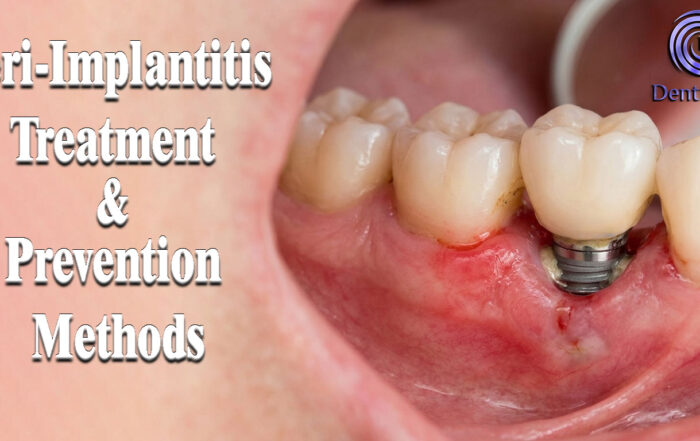
Peri-Implantitis Treatment & Prevention Methods
Peri-Implantitis Treatment & Prevention Methods Peri-implantitis remains one of the most significant biological complications affecting dental implants, posing a serious threat to long-term implant [...]
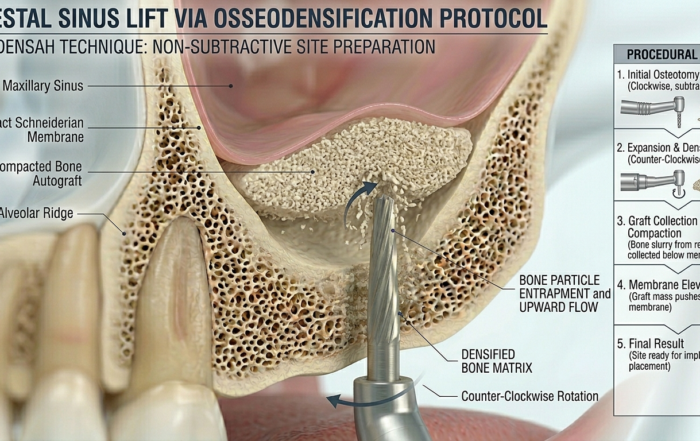
Latest Sinus Lifting Techniques in Modern Implant Dentistry
Latest Sinus Lifting Techniques in Modern Implant Dentistry A Comprehensive Clinical Review Introduction to Sinus Lifting in Implantology Sinus lifting, or maxillary sinus floor [...]