Tocio the hippo and the Aradicular Hypsodont Teeth
What Are the Aradicular Hypsodont teeth?
💡”Aradicular Hypsodont teeth”💡 is defined as the continuous growth of teeth. It is present in many animals such as 🦏 Hippos.
These ‘open-rooted’ teeth lack a true root and rely on constant growth to compensate for wear and tear. This type of hypsodont tooth, characterized by a high crown-to-root ratio, ensures a continuous supply of tooth material.
Tocio…The Hippo and the Aradicular Hypsodont Teeth
In the case of “Tocio”, a hippopotamus with a fractured upper incisor exposing the pulp, a vital pulpotomy was deemed necessary. This procedure involves removing the inflamed pulp tissue and sealing it with a biocompatible material to promote healing and preserve the tooth’s vitality.
📝 The Treatment Process
💉 Local anesthesia administration.
🗡️Careful removal of the diseased pulp using sterile dental instruments.
🥛 Thorough irrigation of the pulp chamber
📌Filling of the tooth with a biocompatible material like Mineral Trioxide Aggregate (MTA).
🔭Acid etching, bonding agent application, and light curing.
🛡️ Restoration of the crown with composite material and final polishing.
Following the procedure, Tocio recovered well and quickly resumed normal feeding behavior.
Have you heard about the “Aradicular Hypsodont” term before �
Video By dr Miguel Ortiz
Procedure By Dr Charles E Dyer
Procedure by Dr Charles E Dyer
Recent Articles





















What Are the Aradicular Hypsodont teeth?
💡”Aradicular Hypsodont teeth”💡 is defined as the continuous growth of teeth. It is present in many animals such as 🦏 Hippos.
These ‘open-rooted’ teeth lack a true root and rely on constant growth to compensate for wear and tear. This type of hypsodont tooth, characterized by a high crown-to-root ratio, ensures a continuous supply of tooth material.
Tocio…The Hippo and the Aradicular Hypsodont Teeth
In the case of “Tocio”, a hippopotamus with a fractured upper incisor exposing the pulp, a vital pulpotomy was deemed necessary. This procedure involves removing the inflamed pulp tissue and sealing it with a biocompatible material to promote healing and preserve the tooth’s vitality.
📝 The Treatment Process
💉 Local anesthesia administration.
🗡️Careful removal of the diseased pulp using sterile dental instruments.
🥛 Thorough irrigation of the pulp chamber
📌Filling of the tooth with a biocompatible material like Mineral Trioxide Aggregate (MTA).
🔭Acid etching, bonding agent application, and light curing.
🛡️ Restoration of the crown with composite material and final polishing.
Following the procedure, Tocio recovered well and quickly resumed normal feeding behavior.
Have you heard about the “Aradicular Hypsodont” term before �
Video By dr Miguel Ortiz
Procedure By Dr Charles E Dyer
Procedure by Dr Charles E Dyer
Recent Articles
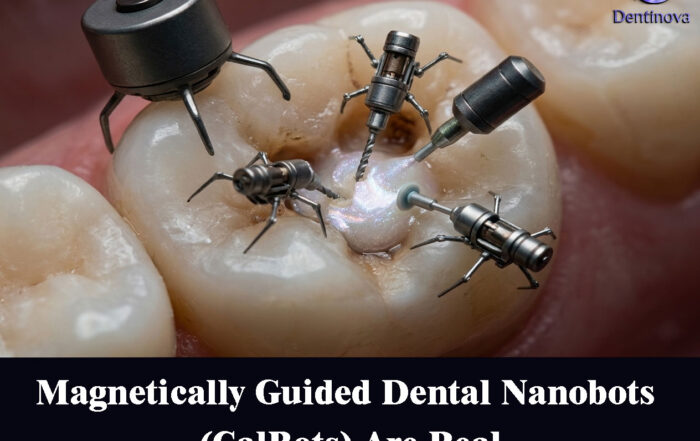
Magnetically Guided Dental Nanobots (CalBots) Are Real
Magnetically Guided Dental Nanobots (CalBots) Are Real The concept of nanobots in dentistry has long been associated with futuristic speculation. However, recent peer-reviewed research [...]
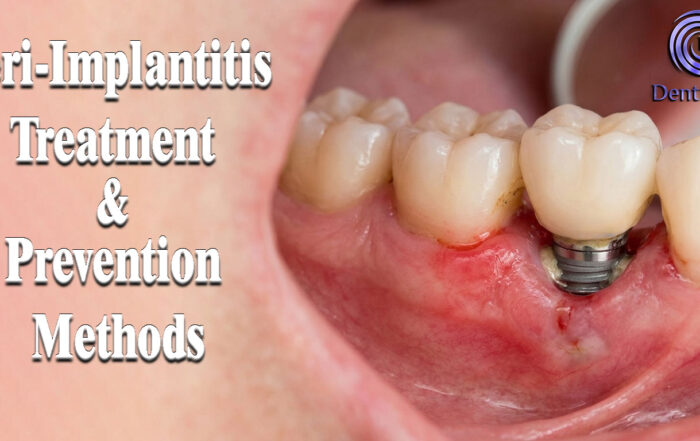
Peri-Implantitis Treatment & Prevention Methods
Peri-Implantitis Treatment & Prevention Methods Peri-implantitis remains one of the most significant biological complications affecting dental implants, posing a serious threat to long-term implant [...]
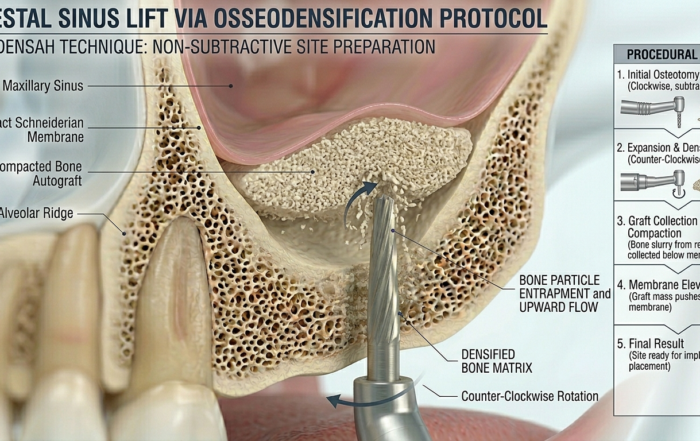
Latest Sinus Lifting Techniques in Modern Implant Dentistry
Latest Sinus Lifting Techniques in Modern Implant Dentistry A Comprehensive Clinical Review Introduction to Sinus Lifting in Implantology Sinus lifting, or maxillary sinus floor [...]
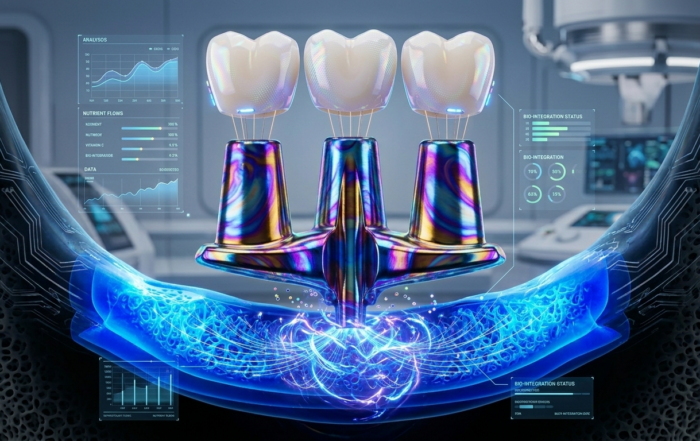
Biomechanics of the Triple Abutment & BOPiT Concept
Dental Biomechanics · Implant Science · Clinical Evidence Biomechanics of the Triple Abutment & BOPiT Concept How a saddle-shaped mathematical surface is rewriting the rules of load distribution [...]
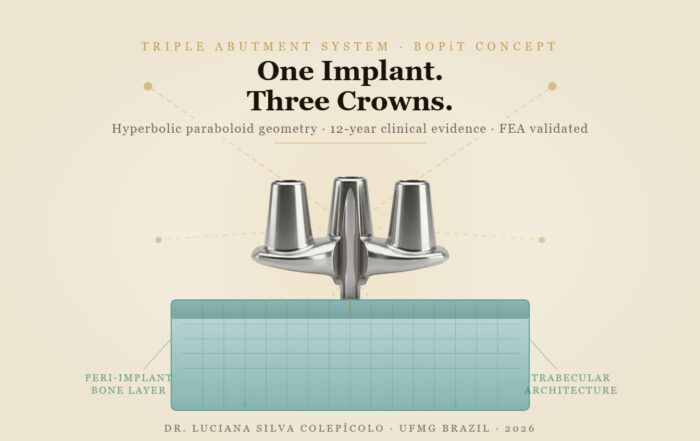
The Woman Who Proved One Implant Could Hold Three Crowns
The Woman Who Proved One Implant Could Hold Three Crowns While the dental establishment looked away, Dr. Luciana Colepícolo spent 12 years building the [...]
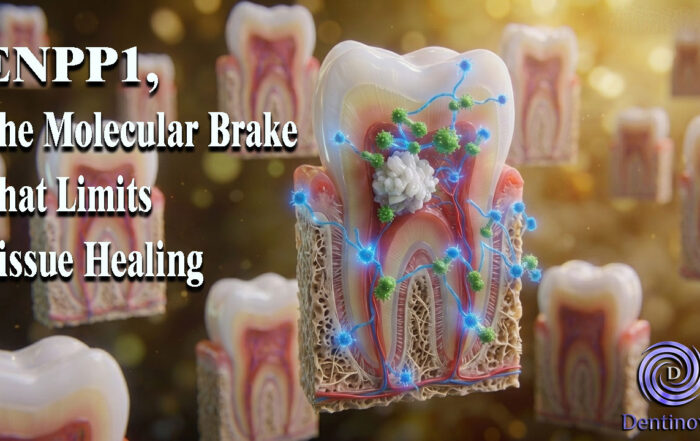
ENPP1, The Molecular Brake That Limits Tissue Healing
ENPP1, The Molecular Brake That Limits Tissue Healing Introduction: A New Biological Barrier to Dental Regeneration Meet ENPP1—a protein most dentists have never heard [...]