Influence of Coffee on Soft & Hard Dental Tissues
Introduction
Coffee is one of the most widely consumed beverages globally, valued for its stimulating effects and distinctive flavor. However, its regular consumption has raised important questions within dentistry regarding its long-term impact on oral health. Coffee contains caffeine, organic acids, tannins, and chromogenic compounds, all of which interact directly with dental hard tissues and oral soft tissues. Understanding the influence of coffee on soft & hard dental tissues is essential for dental professionals and patients alike, particularly as consumption continues to increase across all age groups.
Recent dental research highlights that while moderate coffee intake may not be inherently harmful, frequent exposure can contribute to enamel erosion, dentin hypersensitivity, tooth discoloration, and irritation of the oral mucosa. This article provides a comprehensive clinical overview of these effects, explains the underlying chemical mechanisms, and outlines practical preventive strategies to reduce oral health risks.
Chemical Properties of Coffee and Their Oral Impact
Coffee is a chemically complex beverage composed of caffeine, chlorogenic acids, tannins, and natural pigments. Its pH commonly ranges between 4.5 and 5.0, placing it below the critical threshold for enamel demineralization. Repeated exposure to acidic solutions weakens the mineral structure of enamel, particularly when protective saliva flow is reduced.
Tannins and polyphenols in coffee contribute to pigmentation and surface staining, while caffeine itself can reduce salivary secretion, increasing the risk of dry mouth. When sugar or flavored syrups are added, the cariogenic potential rises significantly due to enhanced bacterial acid production. Collectively, these properties explain why coffee plays a notable role in oral health changes over time.
Influence of Coffee on Soft & Hard Dental Tissues: Enamel and Dentin
Enamel Erosion
One of the most documented effects of coffee consumption is gradual enamel erosion. Acidic components dissolve hydroxyapatite crystals, reducing enamel hardness and increasing surface roughness. As erosion progresses, teeth become more vulnerable to mechanical wear from brushing and chewing.
Although coffee is less erosive than many energy drinks or sodas, frequent intake—especially when sipped over long periods—can significantly accelerate enamel loss. This damage is cumulative and often irreversible without restorative intervention.
Dentin Hypersensitivity
As enamel thins, the underlying dentin becomes exposed. Dentin contains microscopic tubules that transmit thermal, chemical, and tactile stimuli directly to the pulp. Coffee-related enamel erosion increases dentin permeability, leading to heightened sensitivity to hot, cold, and acidic foods.
Clinically, patients may report sharp discomfort or lingering pain, which can negatively affect dietary choices and oral hygiene habits. In advanced cases, professional treatments such as fluoride therapy or desensitizing restorations may be required.
Coffee-Related Tooth Staining and Discoloration
Coffee is one of the primary causes of extrinsic tooth staining. Tannins bind to the acquired pellicle on enamel surfaces, allowing pigments to accumulate and darken the teeth over time. Regular consumption often results in yellow-brown discoloration that cannot be removed through routine brushing alone.
Additionally, consuming hot coffee may temporarily increase enamel porosity, allowing pigments to penetrate deeper into the tooth structure. This can lead to more persistent discoloration, requiring professional scaling, polishing, or whitening procedures to restore esthetics.
Influence of Coffee on Soft & Hard Dental Tissues: Oral Mucosa Effects
Oral Dryness and Irritation
Caffeine acts as a mild diuretic and can reduce salivary flow, leading to xerostomia (dry mouth). Saliva plays a critical role in buffering acids, remineralizing enamel, and protecting oral soft tissues. Reduced saliva increases susceptibility to irritation, inflammation, and microbial imbalance.
Mucosal Sensitivity and Ulcer Risk
The acidic nature of coffee may irritate the oral mucosa, particularly in individuals with pre-existing conditions such as aphthous ulcers or gastroesophageal reflux disease. Chronic exposure can weaken epithelial integrity, making the mucosa more prone to soreness and ulceration. Reduced blood flow caused by caffeine-induced vasoconstriction may further impair tissue healing.
Preventive Strategies for Coffee Consumers
Despite its potential risks, coffee does not need to be eliminated. Instead, adopting targeted preventive measures can significantly reduce its impact on oral health:
Use a straw to limit direct contact with teeth
Rinse the mouth with water after drinking coffee
Wait at least 30 minutes before brushing to avoid acid-softened enamel damage
Use fluoride toothpaste or mouth rinses to enhance remineralization
Consume dairy products to help neutralize acids and supply calcium
Limit the frequency and portion size of coffee intake
Choose unsweetened coffee to reduce caries risk
Chew sugar-free gum to stimulate saliva flow
These strategies are simple, cost-effective, and highly beneficial for maintaining dental integrity.
Conclusion
The influence of coffee on soft & hard dental tissues is well established in modern dental literature. While coffee remains a popular and culturally significant beverage, its acidic composition and chemical properties can negatively affect enamel, dentin, and oral soft tissues when consumed excessively or without proper preventive care.
Dental erosion, hypersensitivity, staining, and mucosal irritation are among the most common clinical consequences. However, with informed consumption habits, adequate fluoride exposure, and regular dental check-ups, these risks can be effectively minimized. Dental professionals play a vital role in educating patients about the oral effects of coffee and guiding them toward healthier long-term habits.
Ongoing research and advancements in preventive dentistry will continue to refine our understanding of how everyday beverages influence oral health, enabling more personalized and effective care strategies.
Reference:
Date: 28-02-2025
Frequently Asked Questions (FAQ)
1. Does coffee permanently damage tooth enamel?
Coffee can gradually erode enamel due to its acidity, but damage can be minimized with proper oral hygiene and moderate consumption.
2. Is black coffee safer for teeth than sweetened coffee?
Yes. Black coffee reduces the risk of cavities because it lacks added sugars that fuel acid-producing bacteria.
3. Can coffee cause long-term tooth sensitivity?
Yes. Enamel erosion from frequent coffee intake can expose dentin, leading to persistent hypersensitivity.
4. Does coffee increase the risk of oral ulcers?
In sensitive individuals, coffee’s acidity and caffeine content may contribute to mucosal irritation and ulcer formation.
5. How soon should I brush after drinking coffee?
It is best to wait at least 30 minutes to allow saliva to neutralize acids and prevent enamel damage.
6. Can professional dental cleanings remove coffee stains?
Yes. Most coffee stains are extrinsic and can be effectively removed with professional scaling, polishing, or whitening treatments.
Recent Articles















Introduction
Coffee is one of the most widely consumed beverages globally, valued for its stimulating effects and distinctive flavor. However, its regular consumption has raised important questions within dentistry regarding its long-term impact on oral health. Coffee contains caffeine, organic acids, tannins, and chromogenic compounds, all of which interact directly with dental hard tissues and oral soft tissues. Understanding the influence of coffee on soft & hard dental tissues is essential for dental professionals and patients alike, particularly as consumption continues to increase across all age groups.
Recent dental research highlights that while moderate coffee intake may not be inherently harmful, frequent exposure can contribute to enamel erosion, dentin hypersensitivity, tooth discoloration, and irritation of the oral mucosa. This article provides a comprehensive clinical overview of these effects, explains the underlying chemical mechanisms, and outlines practical preventive strategies to reduce oral health risks.
Chemical Properties of Coffee and Their Oral Impact
Coffee is a chemically complex beverage composed of caffeine, chlorogenic acids, tannins, and natural pigments. Its pH commonly ranges between 4.5 and 5.0, placing it below the critical threshold for enamel demineralization. Repeated exposure to acidic solutions weakens the mineral structure of enamel, particularly when protective saliva flow is reduced.
Tannins and polyphenols in coffee contribute to pigmentation and surface staining, while caffeine itself can reduce salivary secretion, increasing the risk of dry mouth. When sugar or flavored syrups are added, the cariogenic potential rises significantly due to enhanced bacterial acid production. Collectively, these properties explain why coffee plays a notable role in oral health changes over time.
Influence of Coffee on Soft & Hard Dental Tissues: Enamel and Dentin
Enamel Erosion
One of the most documented effects of coffee consumption is gradual enamel erosion. Acidic components dissolve hydroxyapatite crystals, reducing enamel hardness and increasing surface roughness. As erosion progresses, teeth become more vulnerable to mechanical wear from brushing and chewing.
Although coffee is less erosive than many energy drinks or sodas, frequent intake—especially when sipped over long periods—can significantly accelerate enamel loss. This damage is cumulative and often irreversible without restorative intervention.
Dentin Hypersensitivity
As enamel thins, the underlying dentin becomes exposed. Dentin contains microscopic tubules that transmit thermal, chemical, and tactile stimuli directly to the pulp. Coffee-related enamel erosion increases dentin permeability, leading to heightened sensitivity to hot, cold, and acidic foods.
Clinically, patients may report sharp discomfort or lingering pain, which can negatively affect dietary choices and oral hygiene habits. In advanced cases, professional treatments such as fluoride therapy or desensitizing restorations may be required.
Coffee-Related Tooth Staining and Discoloration
Coffee is one of the primary causes of extrinsic tooth staining. Tannins bind to the acquired pellicle on enamel surfaces, allowing pigments to accumulate and darken the teeth over time. Regular consumption often results in yellow-brown discoloration that cannot be removed through routine brushing alone.
Additionally, consuming hot coffee may temporarily increase enamel porosity, allowing pigments to penetrate deeper into the tooth structure. This can lead to more persistent discoloration, requiring professional scaling, polishing, or whitening procedures to restore esthetics.
Influence of Coffee on Soft & Hard Dental Tissues: Oral Mucosa Effects
Oral Dryness and Irritation
Caffeine acts as a mild diuretic and can reduce salivary flow, leading to xerostomia (dry mouth). Saliva plays a critical role in buffering acids, remineralizing enamel, and protecting oral soft tissues. Reduced saliva increases susceptibility to irritation, inflammation, and microbial imbalance.
Mucosal Sensitivity and Ulcer Risk
The acidic nature of coffee may irritate the oral mucosa, particularly in individuals with pre-existing conditions such as aphthous ulcers or gastroesophageal reflux disease. Chronic exposure can weaken epithelial integrity, making the mucosa more prone to soreness and ulceration. Reduced blood flow caused by caffeine-induced vasoconstriction may further impair tissue healing.
Preventive Strategies for Coffee Consumers
Despite its potential risks, coffee does not need to be eliminated. Instead, adopting targeted preventive measures can significantly reduce its impact on oral health:
Use a straw to limit direct contact with teeth
Rinse the mouth with water after drinking coffee
Wait at least 30 minutes before brushing to avoid acid-softened enamel damage
Use fluoride toothpaste or mouth rinses to enhance remineralization
Consume dairy products to help neutralize acids and supply calcium
Limit the frequency and portion size of coffee intake
Choose unsweetened coffee to reduce caries risk
Chew sugar-free gum to stimulate saliva flow
These strategies are simple, cost-effective, and highly beneficial for maintaining dental integrity.
Conclusion
The influence of coffee on soft & hard dental tissues is well established in modern dental literature. While coffee remains a popular and culturally significant beverage, its acidic composition and chemical properties can negatively affect enamel, dentin, and oral soft tissues when consumed excessively or without proper preventive care.
Dental erosion, hypersensitivity, staining, and mucosal irritation are among the most common clinical consequences. However, with informed consumption habits, adequate fluoride exposure, and regular dental check-ups, these risks can be effectively minimized. Dental professionals play a vital role in educating patients about the oral effects of coffee and guiding them toward healthier long-term habits.
Ongoing research and advancements in preventive dentistry will continue to refine our understanding of how everyday beverages influence oral health, enabling more personalized and effective care strategies.
Reference:
Date: 28-02-2025
Frequently Asked Questions (FAQ)
1. Does coffee permanently damage tooth enamel?
Coffee can gradually erode enamel due to its acidity, but damage can be minimized with proper oral hygiene and moderate consumption.
2. Is black coffee safer for teeth than sweetened coffee?
Yes. Black coffee reduces the risk of cavities because it lacks added sugars that fuel acid-producing bacteria.
3. Can coffee cause long-term tooth sensitivity?
Yes. Enamel erosion from frequent coffee intake can expose dentin, leading to persistent hypersensitivity.
4. Does coffee increase the risk of oral ulcers?
In sensitive individuals, coffee’s acidity and caffeine content may contribute to mucosal irritation and ulcer formation.
5. How soon should I brush after drinking coffee?
It is best to wait at least 30 minutes to allow saliva to neutralize acids and prevent enamel damage.
6. Can professional dental cleanings remove coffee stains?
Yes. Most coffee stains are extrinsic and can be effectively removed with professional scaling, polishing, or whitening treatments.
Recent Articles
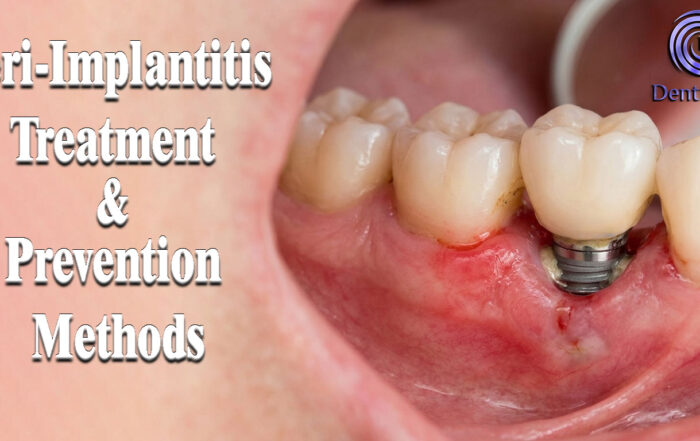
Peri-Implantitis Treatment & Prevention Methods
Peri-Implantitis Treatment & Prevention Methods Peri-implantitis remains one of the most significant biological complications affecting dental implants, posing a serious threat to long-term implant [...]
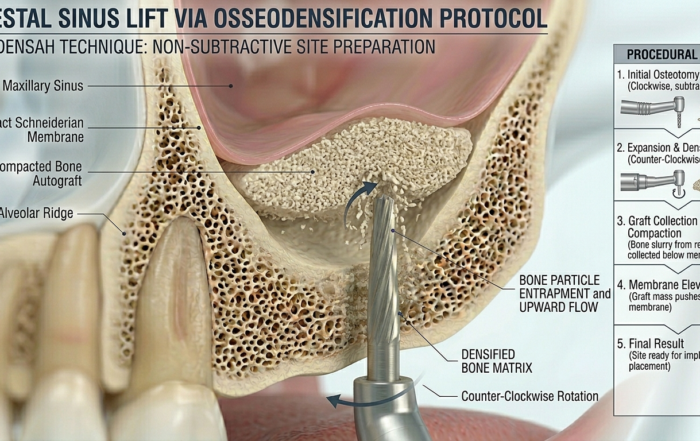
Latest Sinus Lifting Techniques in Modern Implant Dentistry
Latest Sinus Lifting Techniques in Modern Implant Dentistry A Comprehensive Clinical Review Introduction to Sinus Lifting in Implantology Sinus lifting, or maxillary sinus floor [...]
Biomechanics of the Triple Abutment & BOPiT Concept
Dental Biomechanics · Implant Science · Clinical Evidence Biomechanics of the Triple Abutment & BOPiT Concept How a saddle-shaped mathematical surface is rewriting the rules of load distribution [...]
The Woman Who Proved One Implant Could Hold Three Crowns
The Woman Who Proved One Implant Could Hold Three Crowns While the dental establishment looked away, Dr. Luciana Colepícolo spent 12 years building the [...]
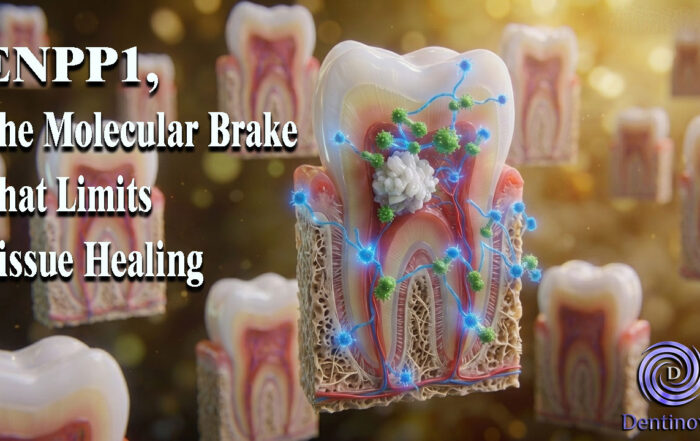
ENPP1, The Molecular Brake That Limits Tissue Healing
ENPP1, The Molecular Brake That Limits Tissue Healing Introduction: A New Biological Barrier to Dental Regeneration Meet ENPP1—a protein most dentists have never heard [...]
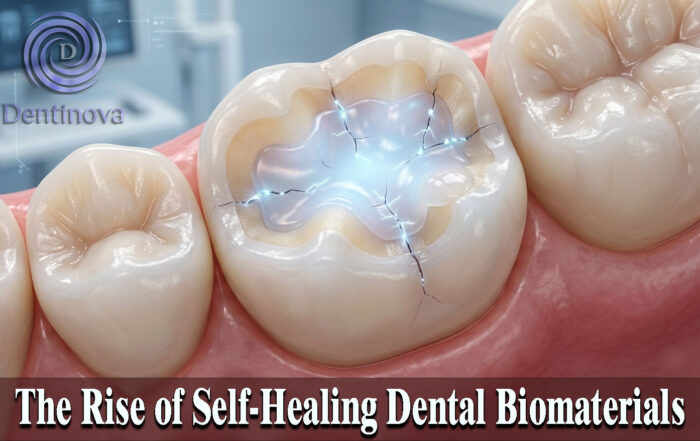
The Rise of Self‑Healing Dental Biomaterials
The Rise of Self‑Healing Dental Biomaterials Introduction In modern restorative dentistry, durability and longevity of materials remain among the greatest clinical challenges. Traditional dental [...]