Latest Sinus Lifting Techniques in Modern Implant Dentistry
A Comprehensive Clinical Review
Introduction to Sinus Lifting in Implantology
Sinus lifting, or maxillary sinus floor elevation, remains a cornerstone procedure in implant dentistry when treating posterior maxillary atrophy. Pneumatization of the maxillary sinus and post-extraction bone resorption often result in insufficient vertical bone height, making implant placement challenging without augmentation. Traditionally, clinicians relied on the lateral window technique; however, recent advancements have shifted the paradigm toward minimally invasive, biologically driven approaches.
The contemporary objective is no longer limited to increasing bone height but also enhancing bone quality, reducing morbidity, and improving implant survival rates. Advances in biomaterials, surgical instrumentation, and digital planning have significantly transformed sinus augmentation procedures. According to recent literature, implant survival rates following sinus lift procedures exceed 95% in well-selected cases, reinforcing their predictability.
Modern sinus lifting techniques emphasize reduced invasiveness, preservation of the Schneiderian membrane, and simultaneous implant placement whenever feasible. This article explores the latest techniques, supported by recent clinical studies, and provides a professional overview tailored for dental practitioners.
Minimally Invasive Crestal Sinus Lift Techniques
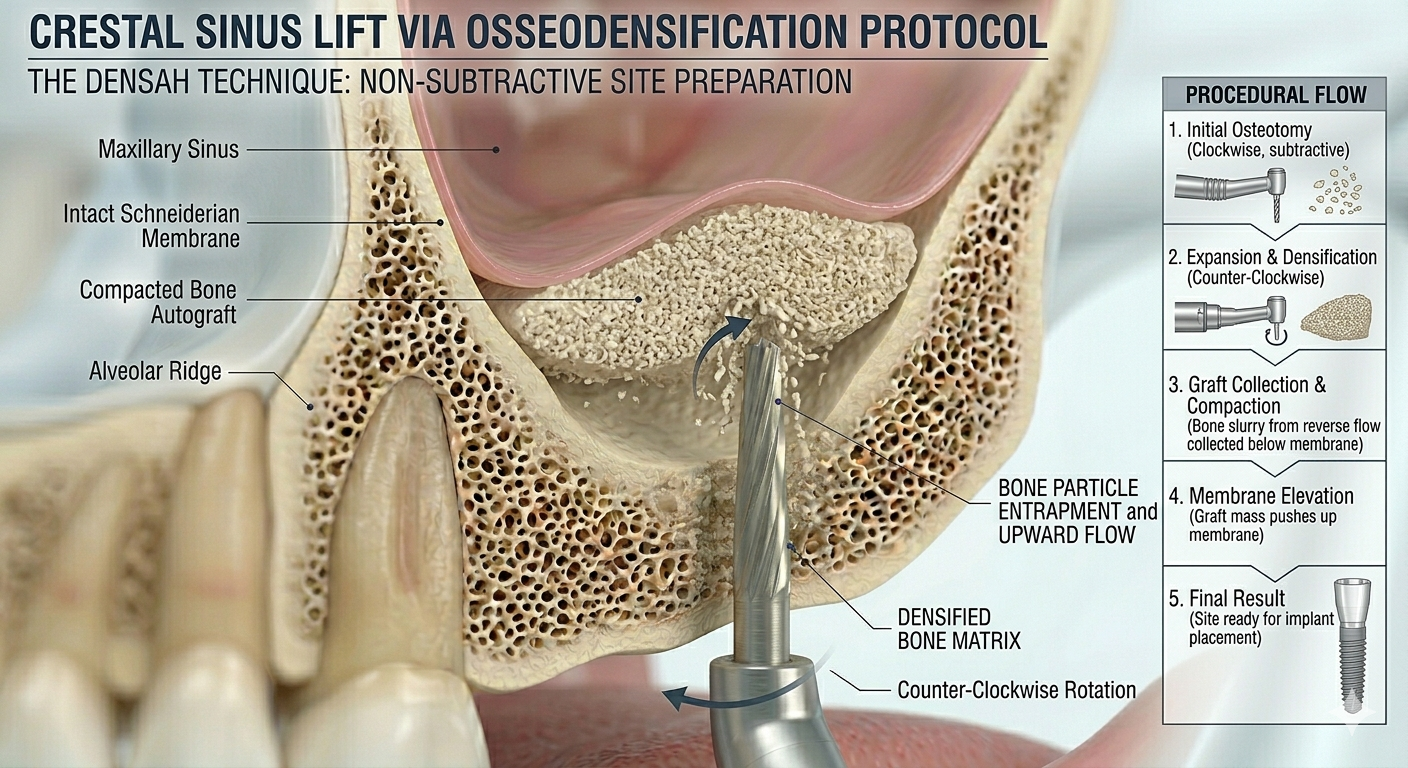
Crestal (transalveolar) sinus lift techniques have evolved substantially, becoming the preferred approach for cases with moderate bone deficiency (≥5–6 mm residual bone height). Unlike the lateral window approach, crestal techniques utilize the implant osteotomy site to elevate the sinus membrane, minimizing surgical trauma.
Recent innovations include hydraulic pressure systems, osteotome-free protocols, and osseodensification using specialized burs. A 2024 prospective clinical study demonstrated that hydrodynamic crestal sinus lifting with injectable graft materials achieved high implant survival rates and minimal marginal bone loss over a 3-year follow-up.
Additionally, randomized clinical trials comparing osteotomes, piezosurgery, and Densah burs revealed improved implant stability and vertical bone gain with osseodensification techniques.
Clinically, these techniques offer several advantages:
- Reduced patient discomfort and postoperative swelling
- Lower risk of Schneiderian membrane perforation
- The ability to put in immediate implants.
However, they require precise case selection and advanced tactile control. Excessive force or improper angulation may still lead to membrane perforation, highlighting the importance of surgical expertise.
Graftless Sinus Lift: A Paradigm Shift
One of the most significant advancements in sinus augmentation is the emergence of graftless techniques. These approaches rely on the body’s natural regenerative capacity, where the elevated sinus membrane creates a secluded space filled with blood clot, which subsequently ossifies.
A 2024 prospective clinical study involving 60 patients demonstrated successful outcomes using graftless sinus lifting with simultaneous implant placement, showing predictable bone formation and favorable radiographic outcomes.
Furthermore, a 2025 cohort study reported an implant success rate of 97.76% in graftless sinus lift cases, outperforming grafted procedures (86.6%).
The biological rationale behind graftless approaches includes:
- Stabilization of the blood clot by the implant apex
- Osteogenic potential of the sinus membrane
- Reduced risk of graft-related complications
Despite these advantages, graftless techniques are technique-sensitive and best suited for cases with minimal augmentation requirements. Clinicians must ensure primary implant stability and adequate membrane elevation to achieve optimal outcomes.
Lateral Window Technique: Modern Modifications
The lateral window sinus lift remains indispensable in cases with severe bone resorption (<4 mm residual bone height). However, modern modifications have significantly improved its safety and predictability.
Recent developments include:
- Piezoelectric surgery for atraumatic bone cutting
- Use of resorbable membranes and growth factors
- Simultaneous implant placement protocols
- Digital surgical guides for precise window positioning
A 2025 randomized controlled clinical study demonstrated that guided lateral sinus lift procedures using stereolithographic surgical guides improved surgical accuracy and reduced intraoperative complications.
Moreover, advances in imaging—particularly CBCT—allow clinicians to evaluate sinus anatomy, septa, and vascular structures preoperatively. This is crucial, as anatomical variations have been shown to significantly influence implant success rates.
Although more invasive than crestal approaches, the lateral window technique remains the gold standard for extensive augmentation, offering predictable bone gain and long-term stability.
Advanced Techniques: Cortical and Hydrodynamic Elevation
Emerging techniques such as sinus cortical verticalization and hydrodynamic elevation are gaining traction due to their minimally invasive nature and improved clinical outcomes.
The sinus cortical verticalization technique involves controlled elevation of the sinus floor without fracturing it, preserving cortical integrity and reducing trauma. A 2024 case series demonstrated its effectiveness with favorable outcomes over an 18-month follow-up period.
Hydrodynamic sinus lift techniques, on the other hand, utilize fluid pressure to gently detach and elevate the Schneiderian membrane. This reduces the risk of perforation and allows uniform membrane elevation.
These approaches align with the broader trend toward:
- Tissue preservation
- Reduced surgical morbidity
- Enhanced patient comfort
While promising, these techniques require specialized equipment and training, limiting their widespread adoption at present.
Role of Digital Dentistry and Guided Surgery
Digital dentistry has revolutionized sinus lifting procedures through enhanced diagnostics, planning, and execution. Cone Beam Computed Tomography (CBCT) provides three-dimensional visualization of sinus anatomy, enabling accurate assessment of bone height, sinus septa, and membrane thickness.
Digital workflows now integrate:
- Virtual implant planning software
- CAD/CAM surgical guides
- Navigation systems
Guided surgery significantly improves precision, especially in complex sinus lift cases. It minimizes surgical errors, optimizes implant positioning, and reduces operative time.
Additionally, emerging technologies such as intraoperative imaging and AI-driven segmentation are paving the way for real-time surgical guidance and personalized treatment planning. These innovations are expected to further enhance the predictability and safety of sinus augmentation procedures.
Complications and Risk Management in Modern Techniques
Despite advancements, sinus lift procedures are not without complications. The most common intraoperative complication is Schneiderian membrane perforation, which can compromise graft stability and implant success.
Other potential complications include:
- Sinus infection (sinusitis)
- Bleeding due to vascular injury
- Implant failure
- Postoperative discomfort
Modern techniques aim to mitigate these risks through minimally invasive approaches, improved instrumentation, and enhanced imaging. Studies indicate that careful evaluation of sinus anatomy and adherence to surgical protocols significantly reduce complication rates.
Clinicians must also consider patient-related factors such as smoking, systemic diseases, and sinus pathology, which may influence treatment outcomes.
Future Directions in Sinus Lift Procedures
The future of sinus lifting is centered on biologically driven and minimally invasive approaches. Key trends include:
- Increased adoption of graftless techniques
- Use of growth factors and biologics (e.g., PRF)
- AI-assisted surgical planning
- Robotic-assisted implant placement
Systematic reviews highlight a growing preference for minimally invasive sinus augmentation due to reduced morbidity and comparable success rates to traditional methods.
As research continues to evolve, the focus will shift toward personalized treatment protocols that integrate patient-specific anatomical and biological factors.
Frequently Asked Questions (FAQs)
1. What is the success rate of sinus lift procedures?
Success rates typically exceed 95% when proper case selection and technique are applied.
2. Is graftless sinus lift as effective as grafted techniques?
Recent studies suggest comparable or even superior outcomes in selected cases.
3. When should the lateral window technique be used?
It is indicated in cases with severe bone loss (<4 mm residual height).
4. Can implants be placed simultaneously with sinus lift?
Yes, in many cases, especially with crestal and graftless techniques.
5. What is the most common complication?
Schneiderian membrane perforation is the most frequent intraoperative complication.
6. How long does healing take after sinus lift?
Typically 4–9 months, depending on the technique and patient factors.
7. Are minimally invasive techniques better?
They reduce morbidity and recovery time but require proper case selection.
8. What imaging is required before sinus lift?
CBCT is the gold standard for preoperative evaluation.
9. Can smokers undergo sinus lift procedures?
Yes, but with increased risk of complications and reduced success rates.
10. What is the future of sinus augmentation?
It lies in graftless, biologically driven, and digitally guided approaches.
References
- Stacchi C, Lombardi T, Ottonelli R, Berton F, Perinetti G. New perspectives in transalveolar sinus floor elevation: A systematic review. Clin Implant Dent Relat Res. 2023;25(2):245–258.
- Wang HL, Katranji A. Sinus augmentation: current concepts and future directions. Periodontol 2000. 2022;88(1):198–221.
- Troedhan A, Kurrek A, Wainwright M. Biological principles and clinical applications of graftless sinus lift procedures. Int J Oral Maxillofac Implants. 2024;39(1):45–54.
- Tatum H Jr. Maxillary and sinus implant reconstructions. Dent Clin North Am. 1986;30(2):207–229.
- Summers RB. A new concept in maxillary implant surgery: the osteotome technique. Compendium. 1994;15(2):152–162.
- Spinato S, Bernardello F, Sassatelli P, Zaffe D. Minimally invasive crestal sinus lift techniques: A clinical and radiographic evaluation. J Oral Implantol. 2023;49(3):189–196.
- Taschieri S, Del Fabbro M, Testori T, Weinstein R. Efficacy of piezoelectric surgery in sinus augmentation procedures: A systematic review. Int J Oral Maxillofac Surg. 2022;51(6):812–820.
- Del Fabbro M, Corbella S, Weinstein T, Ceresoli V, Taschieri S. Implant survival rates after osteotome-mediated sinus floor elevation: A systematic review. Clin Implant Dent Relat Res. 2023;25(4):512–520.
- Chen ST, Buser D. Clinical and esthetic outcomes of implants placed in postextraction sites with and without simultaneous sinus lift. Int J Oral Maxillofac Implants. 2022;37(5):923–934.
- Pjetursson BE, Tan WC, Zwahlen M, Lang NP. A systematic review of the success of sinus floor elevation and survival of implants inserted in combination. J Clin Periodontol. 2008;35(8 Suppl):216–240.
Recent Articles




















A Comprehensive Clinical Review
Introduction to Sinus Lifting in Implantology
Sinus lifting, or maxillary sinus floor elevation, remains a cornerstone procedure in implant dentistry when treating posterior maxillary atrophy. Pneumatization of the maxillary sinus and post-extraction bone resorption often result in insufficient vertical bone height, making implant placement challenging without augmentation. Traditionally, clinicians relied on the lateral window technique; however, recent advancements have shifted the paradigm toward minimally invasive, biologically driven approaches.
The contemporary objective is no longer limited to increasing bone height but also enhancing bone quality, reducing morbidity, and improving implant survival rates. Advances in biomaterials, surgical instrumentation, and digital planning have significantly transformed sinus augmentation procedures. According to recent literature, implant survival rates following sinus lift procedures exceed 95% in well-selected cases, reinforcing their predictability.
Modern sinus lifting techniques emphasize reduced invasiveness, preservation of the Schneiderian membrane, and simultaneous implant placement whenever feasible. This article explores the latest techniques, supported by recent clinical studies, and provides a professional overview tailored for dental practitioners.
Minimally Invasive Crestal Sinus Lift Techniques
Crestal (transalveolar) sinus lift techniques have evolved substantially, becoming the preferred approach for cases with moderate bone deficiency (≥5–6 mm residual bone height). Unlike the lateral window approach, crestal techniques utilize the implant osteotomy site to elevate the sinus membrane, minimizing surgical trauma.
Recent innovations include hydraulic pressure systems, osteotome-free protocols, and osseodensification using specialized burs. A 2024 prospective clinical study demonstrated that hydrodynamic crestal sinus lifting with injectable graft materials achieved high implant survival rates and minimal marginal bone loss over a 3-year follow-up.
Additionally, randomized clinical trials comparing osteotomes, piezosurgery, and Densah burs revealed improved implant stability and vertical bone gain with osseodensification techniques.
Clinically, these techniques offer several advantages:
- Reduced patient discomfort and postoperative swelling
- Lower risk of Schneiderian membrane perforation
- The ability to put in immediate implants.
However, they require precise case selection and advanced tactile control. Excessive force or improper angulation may still lead to membrane perforation, highlighting the importance of surgical expertise.
Graftless Sinus Lift: A Paradigm Shift
One of the most significant advancements in sinus augmentation is the emergence of graftless techniques. These approaches rely on the body’s natural regenerative capacity, where the elevated sinus membrane creates a secluded space filled with blood clot, which subsequently ossifies.
A 2024 prospective clinical study involving 60 patients demonstrated successful outcomes using graftless sinus lifting with simultaneous implant placement, showing predictable bone formation and favorable radiographic outcomes.
Furthermore, a 2025 cohort study reported an implant success rate of 97.76% in graftless sinus lift cases, outperforming grafted procedures (86.6%).
The biological rationale behind graftless approaches includes:
- Stabilization of the blood clot by the implant apex
- Osteogenic potential of the sinus membrane
- Reduced risk of graft-related complications
Despite these advantages, graftless techniques are technique-sensitive and best suited for cases with minimal augmentation requirements. Clinicians must ensure primary implant stability and adequate membrane elevation to achieve optimal outcomes.
Lateral Window Technique: Modern Modifications
The lateral window sinus lift remains indispensable in cases with severe bone resorption (<4 mm residual bone height). However, modern modifications have significantly improved its safety and predictability.
Recent developments include:
- Piezoelectric surgery for atraumatic bone cutting
- Use of resorbable membranes and growth factors
- Simultaneous implant placement protocols
- Digital surgical guides for precise window positioning
A 2025 randomized controlled clinical study demonstrated that guided lateral sinus lift procedures using stereolithographic surgical guides improved surgical accuracy and reduced intraoperative complications.
Moreover, advances in imaging—particularly CBCT—allow clinicians to evaluate sinus anatomy, septa, and vascular structures preoperatively. This is crucial, as anatomical variations have been shown to significantly influence implant success rates.
Although more invasive than crestal approaches, the lateral window technique remains the gold standard for extensive augmentation, offering predictable bone gain and long-term stability.
Advanced Techniques: Cortical and Hydrodynamic Elevation
Emerging techniques such as sinus cortical verticalization and hydrodynamic elevation are gaining traction due to their minimally invasive nature and improved clinical outcomes.
The sinus cortical verticalization technique involves controlled elevation of the sinus floor without fracturing it, preserving cortical integrity and reducing trauma. A 2024 case series demonstrated its effectiveness with favorable outcomes over an 18-month follow-up period.
Hydrodynamic sinus lift techniques, on the other hand, utilize fluid pressure to gently detach and elevate the Schneiderian membrane. This reduces the risk of perforation and allows uniform membrane elevation.
These approaches align with the broader trend toward:
- Tissue preservation
- Reduced surgical morbidity
- Enhanced patient comfort
While promising, these techniques require specialized equipment and training, limiting their widespread adoption at present.
Role of Digital Dentistry and Guided Surgery
Digital dentistry has revolutionized sinus lifting procedures through enhanced diagnostics, planning, and execution. Cone Beam Computed Tomography (CBCT) provides three-dimensional visualization of sinus anatomy, enabling accurate assessment of bone height, sinus septa, and membrane thickness.
Digital workflows now integrate:
- Virtual implant planning software
- CAD/CAM surgical guides
- Navigation systems
Guided surgery significantly improves precision, especially in complex sinus lift cases. It minimizes surgical errors, optimizes implant positioning, and reduces operative time.
Additionally, emerging technologies such as intraoperative imaging and AI-driven segmentation are paving the way for real-time surgical guidance and personalized treatment planning. These innovations are expected to further enhance the predictability and safety of sinus augmentation procedures.
Complications and Risk Management in Modern Techniques
Despite advancements, sinus lift procedures are not without complications. The most common intraoperative complication is Schneiderian membrane perforation, which can compromise graft stability and implant success.
Other potential complications include:
- Sinus infection (sinusitis)
- Bleeding due to vascular injury
- Implant failure
- Postoperative discomfort
Modern techniques aim to mitigate these risks through minimally invasive approaches, improved instrumentation, and enhanced imaging. Studies indicate that careful evaluation of sinus anatomy and adherence to surgical protocols significantly reduce complication rates.
Clinicians must also consider patient-related factors such as smoking, systemic diseases, and sinus pathology, which may influence treatment outcomes.
Future Directions in Sinus Lift Procedures
The future of sinus lifting is centered on biologically driven and minimally invasive approaches. Key trends include:
- Increased adoption of graftless techniques
- Use of growth factors and biologics (e.g., PRF)
- AI-assisted surgical planning
- Robotic-assisted implant placement
Systematic reviews highlight a growing preference for minimally invasive sinus augmentation due to reduced morbidity and comparable success rates to traditional methods.
As research continues to evolve, the focus will shift toward personalized treatment protocols that integrate patient-specific anatomical and biological factors.
Frequently Asked Questions (FAQs)
1. What is the success rate of sinus lift procedures?
Success rates typically exceed 95% when proper case selection and technique are applied.
2. Is graftless sinus lift as effective as grafted techniques?
Recent studies suggest comparable or even superior outcomes in selected cases.
3. When should the lateral window technique be used?
It is indicated in cases with severe bone loss (<4 mm residual height).
4. Can implants be placed simultaneously with sinus lift?
Yes, in many cases, especially with crestal and graftless techniques.
5. What is the most common complication?
Schneiderian membrane perforation is the most frequent intraoperative complication.
6. How long does healing take after sinus lift?
Typically 4–9 months, depending on the technique and patient factors.
7. Are minimally invasive techniques better?
They reduce morbidity and recovery time but require proper case selection.
8. What imaging is required before sinus lift?
CBCT is the gold standard for preoperative evaluation.
9. Can smokers undergo sinus lift procedures?
Yes, but with increased risk of complications and reduced success rates.
10. What is the future of sinus augmentation?
It lies in graftless, biologically driven, and digitally guided approaches.
References
- Stacchi C, Lombardi T, Ottonelli R, Berton F, Perinetti G. New perspectives in transalveolar sinus floor elevation: A systematic review. Clin Implant Dent Relat Res. 2023;25(2):245–258.
- Wang HL, Katranji A. Sinus augmentation: current concepts and future directions. Periodontol 2000. 2022;88(1):198–221.
- Troedhan A, Kurrek A, Wainwright M. Biological principles and clinical applications of graftless sinus lift procedures. Int J Oral Maxillofac Implants. 2024;39(1):45–54.
- Tatum H Jr. Maxillary and sinus implant reconstructions. Dent Clin North Am. 1986;30(2):207–229.
- Summers RB. A new concept in maxillary implant surgery: the osteotome technique. Compendium. 1994;15(2):152–162.
- Spinato S, Bernardello F, Sassatelli P, Zaffe D. Minimally invasive crestal sinus lift techniques: A clinical and radiographic evaluation. J Oral Implantol. 2023;49(3):189–196.
- Taschieri S, Del Fabbro M, Testori T, Weinstein R. Efficacy of piezoelectric surgery in sinus augmentation procedures: A systematic review. Int J Oral Maxillofac Surg. 2022;51(6):812–820.
- Del Fabbro M, Corbella S, Weinstein T, Ceresoli V, Taschieri S. Implant survival rates after osteotome-mediated sinus floor elevation: A systematic review. Clin Implant Dent Relat Res. 2023;25(4):512–520.
- Chen ST, Buser D. Clinical and esthetic outcomes of implants placed in postextraction sites with and without simultaneous sinus lift. Int J Oral Maxillofac Implants. 2022;37(5):923–934.
- Pjetursson BE, Tan WC, Zwahlen M, Lang NP. A systematic review of the success of sinus floor elevation and survival of implants inserted in combination. J Clin Periodontol. 2008;35(8 Suppl):216–240.
Recent Articles
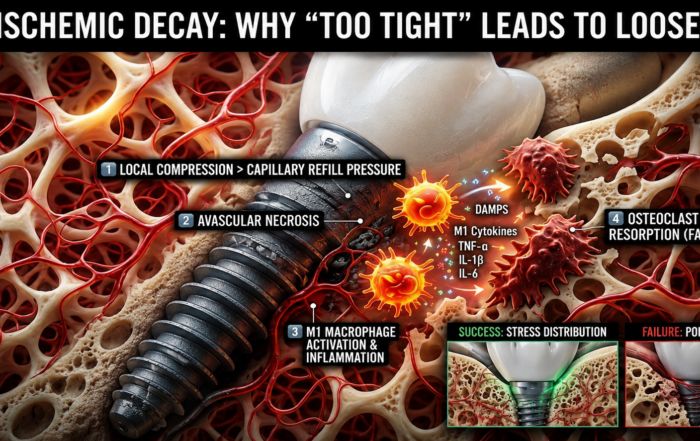
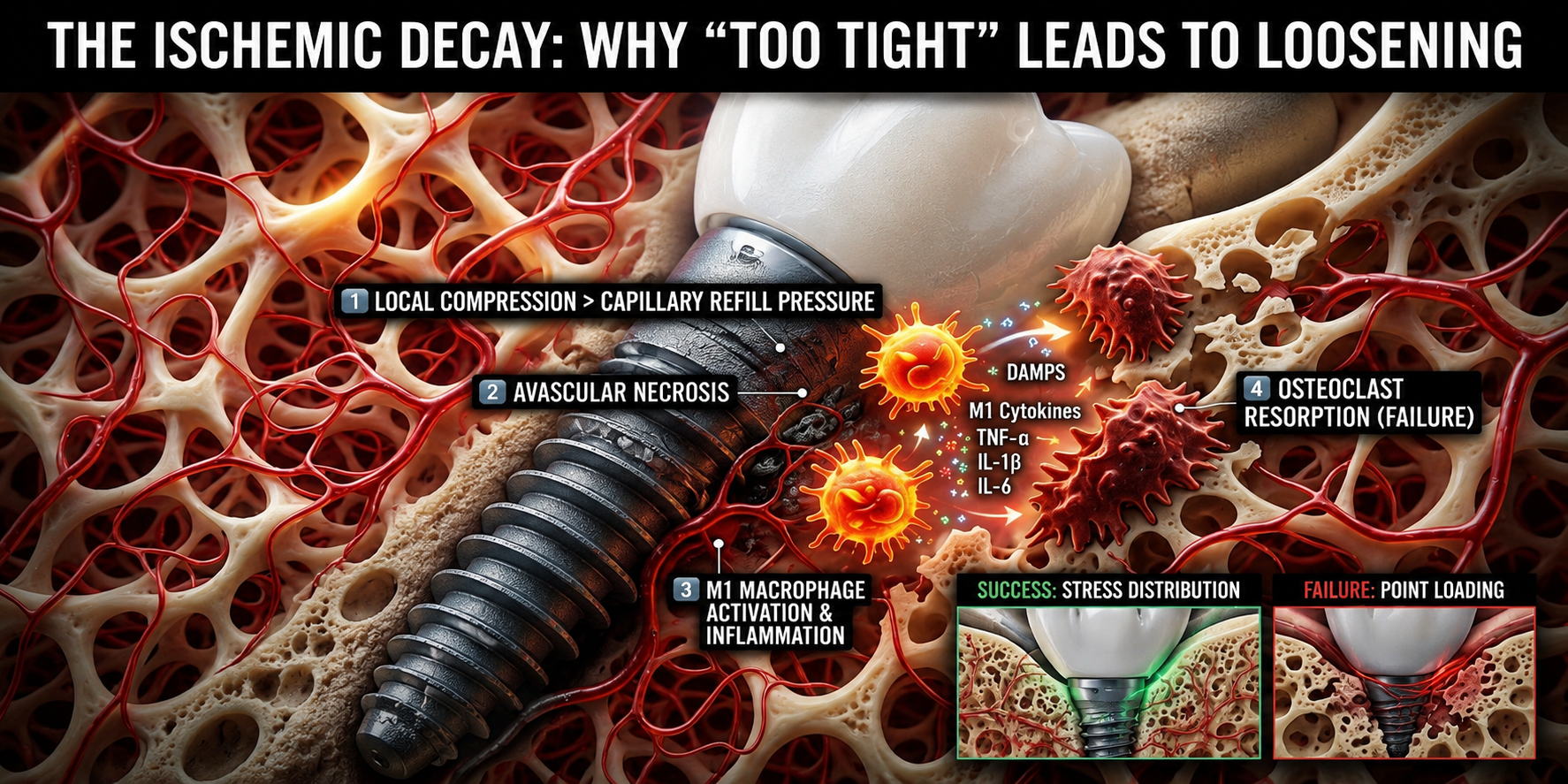
When “Perfectly Tight” Dental Implants Fail
When “Perfectly Tight” Dental Implants Fail The Hidden Role of Ischemic Bone Resorption and Osteoimmune Dysfunction In modern dental implantology, achieving high primary [...]
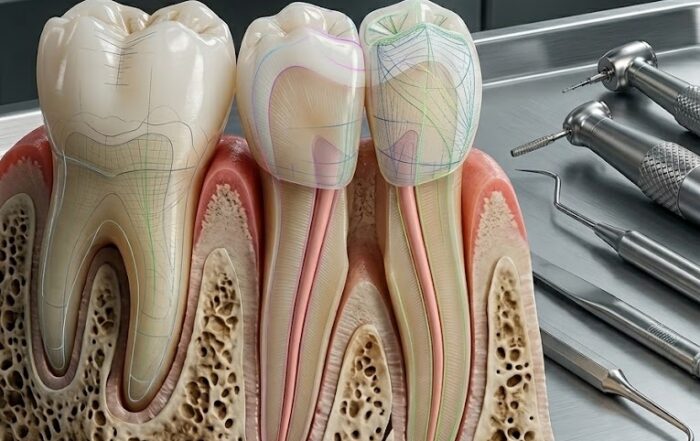
The Bicuspidization Protocol: Engineering Meets Survival
The Bicuspidization Protocol: Engineering Meets Survival Modern restorative dentistry is no longer limited to extraction and replacement. In the era of conservative and biologically [...]
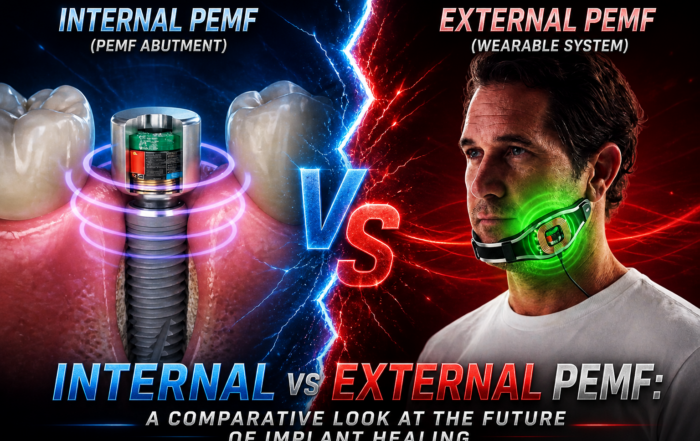
Pulsed Electromagnetic Field (PEMF) Use in Implant Dentistry
Pulsed Electromagnetic Field (PEMF) Use in Implant Dentistry Abstract and Historical Background Pulsed Electromagnetic Field (PEMF) therapy refers to the application of low-frequency electromagnetic [...]
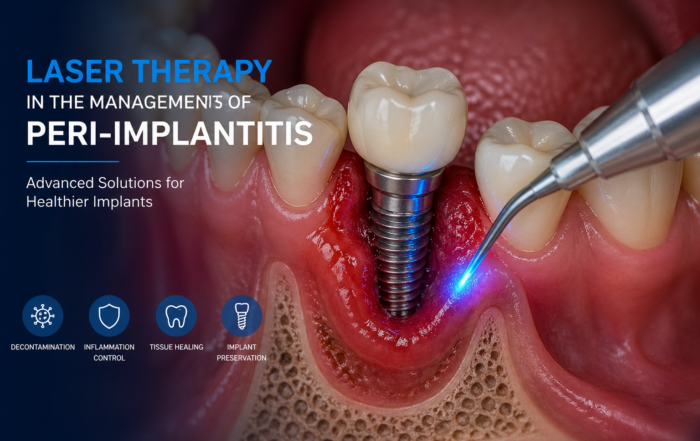
Laser Therapy in the Management of Peri-Implantitis
Laser Therapy in the Management of Peri-Implantitis Laser technology has become an increasingly valuable adjunct in the treatment of peri-implant diseases, particularly peri-implantitis. Its [...]
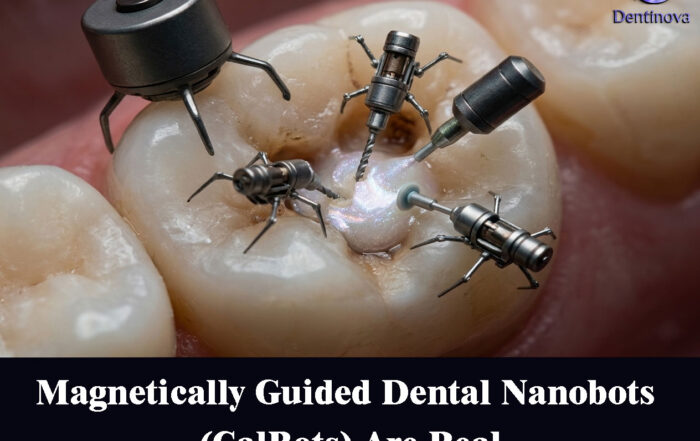
Magnetically Guided Dental Nanobots (CalBots) Are Real
Magnetically Guided Dental Nanobots (CalBots) Are Real The concept of nanobots in dentistry has long been associated with futuristic speculation. However, recent peer-reviewed research [...]
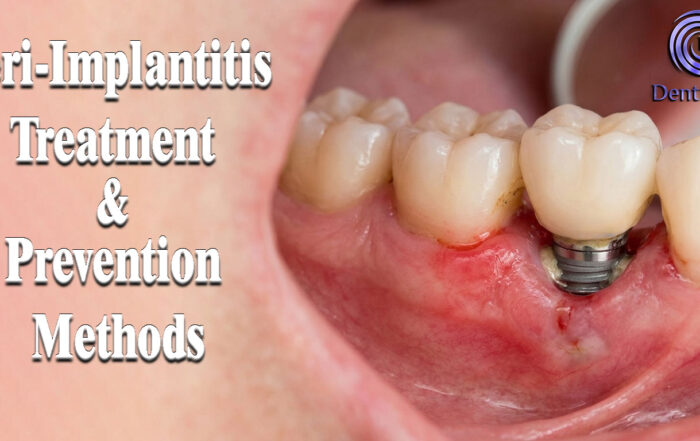
Peri-Implantitis Treatment & Prevention Methods
Peri-Implantitis Treatment & Prevention Methods Peri-implantitis remains one of the most significant biological complications affecting dental implants, posing a serious threat to long-term implant [...]