A Prehistoric Dental Filling Has Been Discovered In Slovenia
The prehistoric dental filling isn’t just a modern marvel of oral healthcare. Our ancestors may have beaten us to it by a few thousand years!
In a jaw-dropping (pun intended) discovery, archaeologists have uncovered the earliest known example of a prehistoric dental filling in human history, dating back nearly 13,000 years. This revelation, drawn from meticulous research conducted by Bernardini et al., is transforming what we thought we knew about Stone Age medicine and dental care.
Let’s drill into the details of this ancient tooth tale and discover why even prehistoric people weren’t afraid to face the dentist, albeit with some rudimentary tools and plenty of grit.
🦷 A Prehistoric Dental Filling Time Machine: What Did We Find So Far?
During excavations in northern Italy at the site of Riparo Villabruna, researchers came across the well-preserved remains of a young man from the Late Upper Paleolithic period. While studying his teeth—because teeth tend to hang around long after the rest of the body says goodbye—scientists noticed something odd.
One of his canines (tooth number 47, for dental chart lovers) had been hollowed out using a flint microblade. Even more fascinating, the cavity was filled with a dark, tar-like substance.
After running spectroscopic analysis, including FTIR (Fourier-transform infrared spectroscopy) and GC-MS (gas chromatography-mass spectrometry), it turned out that the filling was made of bitumen. Yes—bitumen! The same sticky, black material is used in modern-day road construction.
Even back in 11,600 BCE, nobody liked having a toothache.
Another remarkable chapter in the early history of dentistry comes from a discovery made in Slovenia, where archaeologists unearthed what is believed to be the world’s second-oldest known example of a prehistoric dental filling. This prehistoric dental intervention, estimated to be around 6,500 years old, was found in the jaw of a Neolithic male whose remains were excavated from a cave near the village of Lonche.
What Made The Slovenian Prehistoric Dental Filling compelling?
What made this find especially compelling was the presence of beeswax packed into a large vertical crack in one of the man’s canine teeth. The tooth showed signs of wear and trauma, suggesting it had been fractured during the individual’s lifetime, likely causing considerable pain. Using advanced imaging techniques such as synchrotron radiation and radiographic scanning, researchers confirmed that the beeswax was inserted while the man was still alive, presumably as a form of pain relief and structural support for the damaged tooth.
The Slovenian beeswax filling is not just an archaeological curiosity—it provides critical insight into the ingenuity and resourcefulness of early humans. It suggests a basic understanding of how to treat dental pain using available materials, well before the development of modern medicine. Moreover, it reflects a broader trend of prehistoric medical experimentation and self-care, underscoring that even in ancient times, dental discomfort demanded attention.
🔍 The Prehistoric Dental Filling Investigation: What Did They Figure Out?
Science, patience, and a whole lot of microscopic detective work.
The Italian research team, led by Marco Bernardini and published in a 2017 Scientific Reports article (Bernardini et al., “Beeswax as dental filling on a Neolithic human tooth,” Scientific Reports, doi:10.1038/srep7149), used cutting-edge imaging technology. This included:
Micro-CT scans revealed the flaked inner dentin and regular scratching consistent with intentional cleaning.
SEM (scanning electron microscopy), showing striations and cut marks inside the cavity.
Elemental analysis confirmed that the material inside the tooth wasn’t food residue or postmortem gunk—it was deliberately inserted bitumen.
All evidence pointed to one conclusion: someone in the Stone Age attempted to treat dental decay or tooth damage using a natural substance that could seal, soothe, and maybe even act as a primitive antimicrobial barrier.
🛠️ Prehistoric Dental Filling Dentistry: More Advanced Than We Thought?
Absolutely. We tend to think of early humans as grubby, club-wielding cavemen. But this finding adds to a growing body of evidence that prehistoric societies had a surprisingly sophisticated grasp of body care—and a genuine interest in alleviating pain.
Let’s face it: the guy didn’t fill his tooth just to win “Caveman of the Year.” This was practical healthcare.
Earlier discoveries, such as a 6,500-year-old tooth with beeswax found in Slovenia, hinted at prehistoric dental work. But the Riparo Villabruna find smashes the previous record by about 6,500 years. It shows that long before Novocain and composite resin, humans were experimenting with dentistry.
They likely used sharpened flint tools to scrape out decayed tissue and then applied sticky substances like bitumen or wax to seal the cavity. No numbing agents. No fancy drills. Just a brave patient and an innovative dental artisan.
🌿 Beeswax and Propolis: Nature’s First Dental Fillings?
Before composite resins and glass ionomers, nature provided its dental toolkit—and beeswax, often accompanied by propolis, was at the heart of it.
Beeswax is not only moldable and biocompatible, but it also acts as a natural sealant, perfect for plugging painful cavities. Its low melting point made it easy to warm and press into a prepared tooth, forming a protective barrier against external irritants. But what made this sticky substance even more effective was its partner: propolis.
Propolis, often called “bee glue,” is a resinous mixture bees produce from tree sap and their enzymes. It has powerful antibacterial, anti-inflammatory, and even analgesic properties, making it an ideal addition to primitive dental care. Studies have shown that propolis can inhibit the growth of oral pathogens like Streptococcus mutans, which are directly involved in tooth decay.
The fact that prehistoric humans chose these substances isn’t just a lucky guess—it shows an intuitive understanding of oral health. Whether through trial-and-error or passed-down knowledge, they were already harnessing the medicinal properties of bee-derived compounds to relieve pain, reduce infection, and preserve dental function.
📚 The Evolution of Dental Care: From Caveman to Crown
This discovery forces us to reimagine the origins of dentistry. We’ve gone from:
Scraping with flint tools in caves…
To bronze dental forceps in ancient Egypt and Rome…
To drills powered by foot pedals in the 18th century…
To ultrasonic scalers and laser dentistry today.
And all of it started because one guy in northern Italy decided he wasn’t going to let a rotten tooth get the better of him.
Even though we now enjoy advanced dental composites, high-speed drills, sedation, and digital scans, the core idea hasn’t changed: fix the hole, stop the pain, save the tooth.
👨🔬 Who Were These Ancient Dentists?
The Villabruna discovery doesn’t just tell us about the patient—it hints at the existence of someone who knew what they were doing with dental tools. Whether this was a tribal healer, a shaman, or just someone with good hands and a sharp rock, we may never know.
But the precision of the tooth’s modification suggests intent, technique, and perhaps even some form of training or apprenticeship.
Let that sink in: before written language, agriculture, or metallurgy, humans were already practicing cavity preparation.
📌 Final Thoughts: We’ve Come a Long Way!
From flint scrapers to CAD/CAM restorations, the dental evolution is a story of pain, innovation, and human tenacity. This discovery doesn’t just add a chapter, it opens a whole new volume on how we cared for ourselves long before modern medicine existed.
So the next time you’re in the dentist’s chair with a high-tech curing light buzzing in your mouth, remember: you’re not just getting a filling—you’re participating in a tradition as old as humanity itself.
🧾 Source & Copyright Notice
This article is based on the groundbreaking study by Bernardini et al., published in Scientific Reports under the title “Beeswax as dental filling on a Neolithic human tooth“ (doi:10.1038/srep7149). All scientific references, findings, and interpretations are credited to the original research authors.
Recent Articles












The prehistoric dental filling isn’t just a modern marvel of oral healthcare. Our ancestors may have beaten us to it by a few thousand years!
In a jaw-dropping (pun intended) discovery, archaeologists have uncovered the earliest known example of a prehistoric dental filling in human history, dating back nearly 13,000 years. This revelation, drawn from meticulous research conducted by Bernardini et al., is transforming what we thought we knew about Stone Age medicine and dental care.
Let’s drill into the details of this ancient tooth tale and discover why even prehistoric people weren’t afraid to face the dentist, albeit with some rudimentary tools and plenty of grit.
🦷 A Prehistoric Dental Filling Time Machine: What Did We Find So Far?
During excavations in northern Italy at the site of Riparo Villabruna, researchers came across the well-preserved remains of a young man from the Late Upper Paleolithic period. While studying his teeth—because teeth tend to hang around long after the rest of the body says goodbye—scientists noticed something odd.
One of his canines (tooth number 47, for dental chart lovers) had been hollowed out using a flint microblade. Even more fascinating, the cavity was filled with a dark, tar-like substance.
After running spectroscopic analysis, including FTIR (Fourier-transform infrared spectroscopy) and GC-MS (gas chromatography-mass spectrometry), it turned out that the filling was made of bitumen. Yes—bitumen! The same sticky, black material is used in modern-day road construction.
Even back in 11,600 BCE, nobody liked having a toothache.
Another remarkable chapter in the early history of dentistry comes from a discovery made in Slovenia, where archaeologists unearthed what is believed to be the world’s second-oldest known example of a prehistoric dental filling. This prehistoric dental intervention, estimated to be around 6,500 years old, was found in the jaw of a Neolithic male whose remains were excavated from a cave near the village of Lonche.
What Made The Slovenian Prehistoric Dental Filling compelling?
What made this find especially compelling was the presence of beeswax packed into a large vertical crack in one of the man’s canine teeth. The tooth showed signs of wear and trauma, suggesting it had been fractured during the individual’s lifetime, likely causing considerable pain. Using advanced imaging techniques such as synchrotron radiation and radiographic scanning, researchers confirmed that the beeswax was inserted while the man was still alive, presumably as a form of pain relief and structural support for the damaged tooth.
The Slovenian beeswax filling is not just an archaeological curiosity—it provides critical insight into the ingenuity and resourcefulness of early humans. It suggests a basic understanding of how to treat dental pain using available materials, well before the development of modern medicine. Moreover, it reflects a broader trend of prehistoric medical experimentation and self-care, underscoring that even in ancient times, dental discomfort demanded attention.
🔍 The Prehistoric Dental Filling Investigation: What Did They Figure Out?
Science, patience, and a whole lot of microscopic detective work.
The Italian research team, led by Marco Bernardini and published in a 2017 Scientific Reports article (Bernardini et al., “Beeswax as dental filling on a Neolithic human tooth,” Scientific Reports, doi:10.1038/srep7149), used cutting-edge imaging technology. This included:
Micro-CT scans revealed the flaked inner dentin and regular scratching consistent with intentional cleaning.
SEM (scanning electron microscopy), showing striations and cut marks inside the cavity.
Elemental analysis confirmed that the material inside the tooth wasn’t food residue or postmortem gunk—it was deliberately inserted bitumen.
All evidence pointed to one conclusion: someone in the Stone Age attempted to treat dental decay or tooth damage using a natural substance that could seal, soothe, and maybe even act as a primitive antimicrobial barrier.
🛠️ Prehistoric Dental Filling Dentistry: More Advanced Than We Thought?
Absolutely. We tend to think of early humans as grubby, club-wielding cavemen. But this finding adds to a growing body of evidence that prehistoric societies had a surprisingly sophisticated grasp of body care—and a genuine interest in alleviating pain.
Let’s face it: the guy didn’t fill his tooth just to win “Caveman of the Year.” This was practical healthcare.
Earlier discoveries, such as a 6,500-year-old tooth with beeswax found in Slovenia, hinted at prehistoric dental work. But the Riparo Villabruna find smashes the previous record by about 6,500 years. It shows that long before Novocain and composite resin, humans were experimenting with dentistry.
They likely used sharpened flint tools to scrape out decayed tissue and then applied sticky substances like bitumen or wax to seal the cavity. No numbing agents. No fancy drills. Just a brave patient and an innovative dental artisan.
🌿 Beeswax and Propolis: Nature’s First Dental Fillings?
Before composite resins and glass ionomers, nature provided its dental toolkit—and beeswax, often accompanied by propolis, was at the heart of it.
Beeswax is not only moldable and biocompatible, but it also acts as a natural sealant, perfect for plugging painful cavities. Its low melting point made it easy to warm and press into a prepared tooth, forming a protective barrier against external irritants. But what made this sticky substance even more effective was its partner: propolis.
Propolis, often called “bee glue,” is a resinous mixture bees produce from tree sap and their enzymes. It has powerful antibacterial, anti-inflammatory, and even analgesic properties, making it an ideal addition to primitive dental care. Studies have shown that propolis can inhibit the growth of oral pathogens like Streptococcus mutans, which are directly involved in tooth decay.
The fact that prehistoric humans chose these substances isn’t just a lucky guess—it shows an intuitive understanding of oral health. Whether through trial-and-error or passed-down knowledge, they were already harnessing the medicinal properties of bee-derived compounds to relieve pain, reduce infection, and preserve dental function.
📚 The Evolution of Dental Care: From Caveman to Crown
This discovery forces us to reimagine the origins of dentistry. We’ve gone from:
Scraping with flint tools in caves…
To bronze dental forceps in ancient Egypt and Rome…
To drills powered by foot pedals in the 18th century…
To ultrasonic scalers and laser dentistry today.
And all of it started because one guy in northern Italy decided he wasn’t going to let a rotten tooth get the better of him.
Even though we now enjoy advanced dental composites, high-speed drills, sedation, and digital scans, the core idea hasn’t changed: fix the hole, stop the pain, save the tooth.
👨🔬 Who Were These Ancient Dentists?
The Villabruna discovery doesn’t just tell us about the patient—it hints at the existence of someone who knew what they were doing with dental tools. Whether this was a tribal healer, a shaman, or just someone with good hands and a sharp rock, we may never know.
But the precision of the tooth’s modification suggests intent, technique, and perhaps even some form of training or apprenticeship.
Let that sink in: before written language, agriculture, or metallurgy, humans were already practicing cavity preparation.
📌 Final Thoughts: We’ve Come a Long Way!
From flint scrapers to CAD/CAM restorations, the dental evolution is a story of pain, innovation, and human tenacity. This discovery doesn’t just add a chapter, it opens a whole new volume on how we cared for ourselves long before modern medicine existed.
So the next time you’re in the dentist’s chair with a high-tech curing light buzzing in your mouth, remember: you’re not just getting a filling—you’re participating in a tradition as old as humanity itself.
🧾 Source & Copyright Notice
This article is based on the groundbreaking study by Bernardini et al., published in Scientific Reports under the title “Beeswax as dental filling on a Neolithic human tooth“ (doi:10.1038/srep7149). All scientific references, findings, and interpretations are credited to the original research authors.
Recent Articles
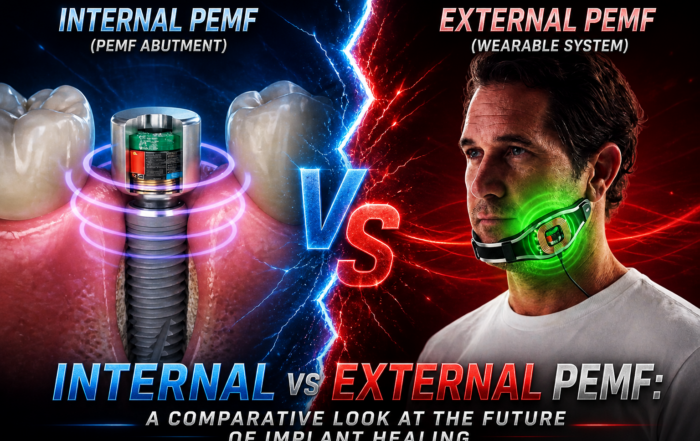
Pulsed Electromagnetic Field (PEMF) Use in Implant Dentistry
Pulsed Electromagnetic Field (PEMF) Use in Implant Dentistry Abstract and Historical Background Pulsed Electromagnetic Field (PEMF) therapy refers to the application of low-frequency electromagnetic [...]
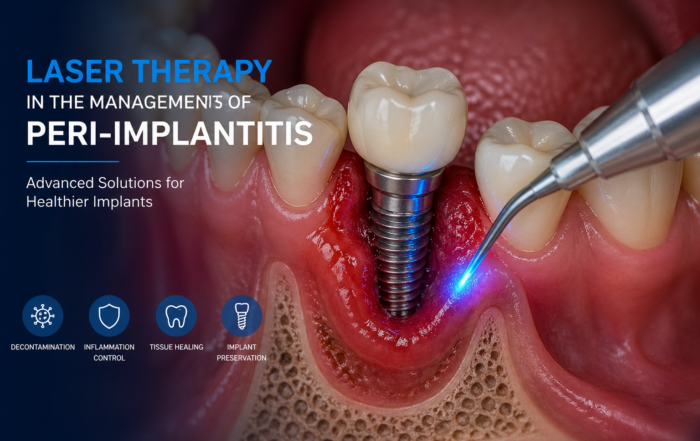
Laser Therapy in the Management of Peri-Implantitis
Laser Therapy in the Management of Peri-Implantitis Laser technology has become an increasingly valuable adjunct in the treatment of peri-implant diseases, particularly peri-implantitis. Its [...]
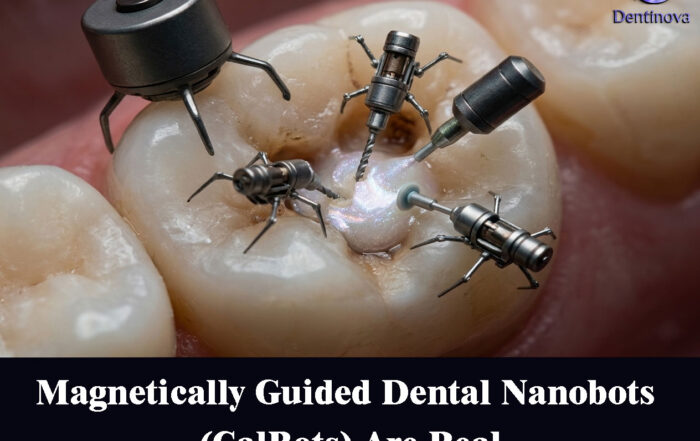
Magnetically Guided Dental Nanobots (CalBots) Are Real
Magnetically Guided Dental Nanobots (CalBots) Are Real The concept of nanobots in dentistry has long been associated with futuristic speculation. However, recent peer-reviewed research [...]
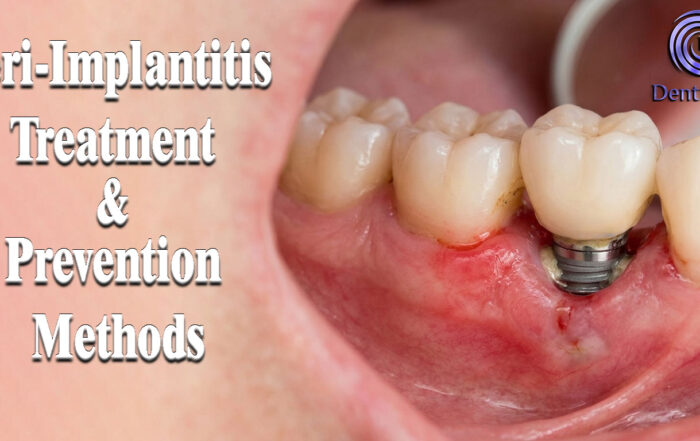
Peri-Implantitis Treatment & Prevention Methods
Peri-Implantitis Treatment & Prevention Methods Peri-implantitis remains one of the most significant biological complications affecting dental implants, posing a serious threat to long-term implant [...]
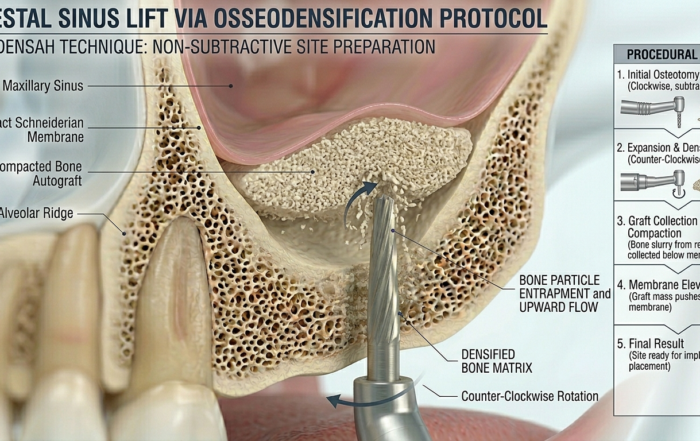
Latest Sinus Lifting Techniques in Modern Implant Dentistry
Latest Sinus Lifting Techniques in Modern Implant Dentistry A Comprehensive Clinical Review Introduction to Sinus Lifting in Implantology Sinus lifting, or maxillary sinus floor [...]

Biomechanics of the Triple Abutment & BOPiT Concept
Dental Biomechanics · Implant Science · Clinical Evidence Biomechanics of the Triple Abutment & BOPiT Concept How a saddle-shaped mathematical surface is rewriting the rules of load distribution [...]