Tooth Regeneration With Human Anti USAG1 Therapy
What Is Tooth Regeneration?
Tooth regeneration is the process of regrowing lost or missing teeth using the body’s own biological systems, such as inhibiting the USAG1 protein, which is responsible for stopping new tooth buds from forming. It sounds futuristic, but it’s rooted in the natural development of teeth during early life.
Humans typically grow two sets of teeth: primary (baby) teeth and permanent (adult) teeth. But did you know there’s potential for a “third dentition”? These are undeveloped tooth buds that usually stay dormant. Scientists believe we can tap into this hidden reserve to spark the growth of new teeth, even in adults.
Imagine walking into a dental clinic not for a root canal or an implant, but for your body to grow a new tooth, naturally. Sounds like a miracle? Thanks to emerging science, it may soon be standard dental care. Welcome to the fascinating future of tooth regeneration, powered by Anti USAG1 therapy.
Tooth loss is incredibly common. Whether due to decay, trauma, or genetics, most people will lose at least one permanent tooth in their lifetime. Traditionally, the only solutions have been prosthetics, like crowns, dentures, or implants. But what if we could encourage the body to grow back a real, functional tooth?
That’s exactly what researchers in Japan have been working on—and the results are exciting.
Meet USAG 1 : The Protein Preventing Tooth Regeneration
The key to unlocking this potential lies in a protein called USAG1 (Uterine Sensitization-Associated Gene-1). This protein works like a biological “off switch” for tooth development. It interferes with two critical growth pathways in the body—BMP (Bone Morphogenetic Protein) and Wnt signaling, which are essential for forming teeth and other tissues.
In simple terms, USAG-1 keeps tooth growth under control. That’s good when you’re a baby developing your normal set of teeth. But if you’ve lost a tooth or were born without one, USAG-1 becomes a roadblock to natural regeneration.
So what happens if you block USAG1 itself? That’s where this research gets exciting.
How Anti USAG1 Therapy Works
Researchers developed special monoclonal antibodies designed to bind to and deactivate USAG-1. Think of these antibodies as highly specific tools that “unlock” the body’s ability to regrow teeth.
In mouse experiments, scientists administered these Anti USAG1 antibodies to animals with genetic tooth loss. The results? The missing teeth grew back, and in some cases, extra teeth formed. This effect wasn’t limited to rodents. When tested on ferrets, animals with teeth more similar to humans, the therapy led to the formation of third incisors—a new set of natural teeth.
This is the first time researchers have managed to regrow a fully functional tooth in mammals using a single systemic therapy, without transplants or stem cells.
Tooth Regeneration vs. Traditional Dental Implants
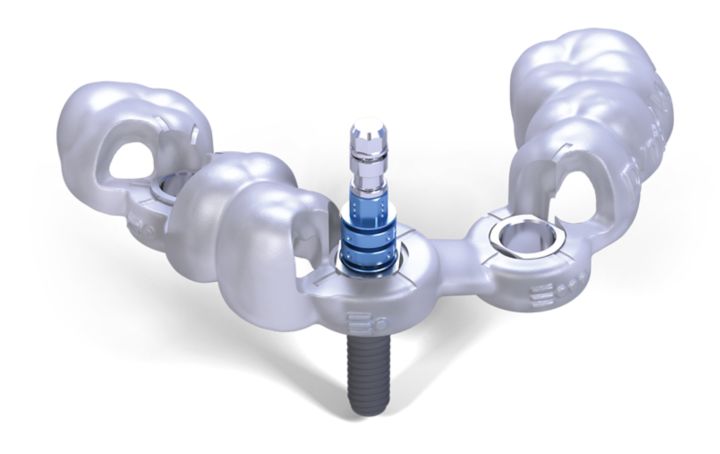
Right now, if you lose a tooth, your dentist might suggest a bridge or an implant. While implants are effective, they come with drawbacks:
High cost
Risk of complications (infection, implant failure)
Bone loss over time
Not suitable for children or some adults
Tooth regeneration, on the other hand, could offer a natural, permanent solution with fewer complications. The new tooth grows in the empty socket, integrating with your jawbone, gums, and surrounding tissue, just like your original tooth did.
Who Could Benefit from Anti USAG1 Therapy?
This new treatment isn’t just for people who lose teeth as adults. It also shows promise for children with congenital tooth agenesis—a condition where one or more teeth never develop.
Researchers tested the therapy on mouse models with gene mutations known to cause this condition. The results showed that blocking USAG1 helped restart the halted development of teeth, even in cases where genetics had previously made it impossible.
This suggests that patients with specific gene profiles could be excellent candidates for tooth regeneration therapies in the future.
What Makes Anti USAG1 Therapy Unique?
Unlike complex procedures involving stem cells or lab-grown tooth buds, Anti USAG 1 therapy is cell-free and non-invasive. It’s more like taking a medicine than undergoing surgery.
Here are some standout benefits:
One-time treatment: In many cases, a single dose of the antibody was enough to trigger tooth growth.
Natural results: The regenerated teeth had natural shape, structure, and roots.
Minimal side effects: The treatment targeted specific signaling pathways without disrupting other systems.
The therapy is still in preclinical stages, but its simplicity and effectiveness are drawing significant attention in both medical and dental communities.
Tooth Regeneration Human Trials Have Already Started in Japan
Human clinical trials for tooth regeneration officially began in September 2024 in Japan. The research is led by Dr. Katsu Takahashi and his team at Kyoto University Hospital, marking a groundbreaking moment in regenerative dentistry. This follows decades of research into the molecular mechanisms behind tooth development and the successful regeneration of teeth in animal models such as mice and ferrets.
The clinical trial aims to test a drug that stimulates the growth of a “third dentition”—a natural ability present in early human development but typically dormant in adults. The first phase focuses on patients with congenital tooth agenesis (a condition where permanent teeth never develop), to evaluate safety and initial efficacy.
If these trials prove successful, broader applications may follow, offering a potential future where lost or damaged teeth can be regrown naturally without implants or prosthetics.
The Possibility of a “Third Dentition”
What’s particularly exciting is that this therapy might awaken a third set of teeth—something evolutionary remnants suggest we all carry within us.
Supernumerary teeth (extra teeth) are already a known phenomenon in some people. Researchers believe these extras are caused by dormant tooth germs activating on their own.
Anti USAG1 therapy may do just that—stimulate these hidden tooth buds to develop into full, usable teeth.
The Future of Dental Care
If this therapy reaches clinical use, it could completely transform how we treat tooth loss. Imagine a future where:
Children born with missing teeth can grow them naturally
Adults who lose teeth in accidents no longer need implants
Elderly patients can restore full dental function without prosthetics
Tooth regeneration would no longer be just for science fiction—it would be standard practice.
Final Thoughts: Hope for a Natural Smile
The idea of regrowing teeth may sound too good to be true, but science is catching up with our imaginations. Thanks to research on Anti USAG1 therapy, the future of tooth regeneration is no longer a dream—it’s a developing reality.
While there’s still work to be done before this becomes a treatment option at your local dentist, the direction is clear. We’re on the cusp of a dental revolution—one where natural healing takes center stage.
So the next time you hear about advances in dentistry, remember this: your next new tooth might not come from a lab—it might come from you.
Reference:
Anti–USAG-1 therapy for tooth regeneration through enhanced BMP signaling
By:
A Murashima-Suginami , H Kiso , Y Tokita , E Mihara , Y Nambu , R Uozumi , Y Tabata , K Bessho , J Takagi , M Sugai , K Takahashi
Recent Articles








What Is Tooth Regeneration?
Tooth regeneration is the process of regrowing lost or missing teeth using the body’s own biological systems, such as inhibiting the USAG1 protein, which is responsible for stopping new tooth buds from forming. It sounds futuristic, but it’s rooted in the natural development of teeth during early life.
Humans typically grow two sets of teeth: primary (baby) teeth and permanent (adult) teeth. But did you know there’s potential for a “third dentition”? These are undeveloped tooth buds that usually stay dormant. Scientists believe we can tap into this hidden reserve to spark the growth of new teeth, even in adults.
Imagine walking into a dental clinic not for a root canal or an implant, but for your body to grow a new tooth, naturally. Sounds like a miracle? Thanks to emerging science, it may soon be standard dental care. Welcome to the fascinating future of tooth regeneration, powered by Anti USAG1 therapy.
Tooth loss is incredibly common. Whether due to decay, trauma, or genetics, most people will lose at least one permanent tooth in their lifetime. Traditionally, the only solutions have been prosthetics, like crowns, dentures, or implants. But what if we could encourage the body to grow back a real, functional tooth?
That’s exactly what researchers in Japan have been working on—and the results are exciting.
Meet USAG 1 : The Protein Preventing Tooth Regeneration
The key to unlocking this potential lies in a protein called USAG1 (Uterine Sensitization-Associated Gene-1). This protein works like a biological “off switch” for tooth development. It interferes with two critical growth pathways in the body—BMP (Bone Morphogenetic Protein) and Wnt signaling, which are essential for forming teeth and other tissues.
In simple terms, USAG-1 keeps tooth growth under control. That’s good when you’re a baby developing your normal set of teeth. But if you’ve lost a tooth or were born without one, USAG-1 becomes a roadblock to natural regeneration.
So what happens if you block USAG1 itself? That’s where this research gets exciting.
How Anti USAG1 Therapy Works
Researchers developed special monoclonal antibodies designed to bind to and deactivate USAG-1. Think of these antibodies as highly specific tools that “unlock” the body’s ability to regrow teeth.
In mouse experiments, scientists administered these Anti USAG1 antibodies to animals with genetic tooth loss. The results? The missing teeth grew back, and in some cases, extra teeth formed. This effect wasn’t limited to rodents. When tested on ferrets, animals with teeth more similar to humans, the therapy led to the formation of third incisors—a new set of natural teeth.
This is the first time researchers have managed to regrow a fully functional tooth in mammals using a single systemic therapy, without transplants or stem cells.
Tooth Regeneration vs. Traditional Dental Implants
Right now, if you lose a tooth, your dentist might suggest a bridge or an implant. While implants are effective, they come with drawbacks:
High cost
Risk of complications (infection, implant failure)
Bone loss over time
Not suitable for children or some adults
Tooth regeneration, on the other hand, could offer a natural, permanent solution with fewer complications. The new tooth grows in the empty socket, integrating with your jawbone, gums, and surrounding tissue, just like your original tooth did.
Who Could Benefit from Anti USAG1 Therapy?
This new treatment isn’t just for people who lose teeth as adults. It also shows promise for children with congenital tooth agenesis—a condition where one or more teeth never develop.
Researchers tested the therapy on mouse models with gene mutations known to cause this condition. The results showed that blocking USAG1 helped restart the halted development of teeth, even in cases where genetics had previously made it impossible.
This suggests that patients with specific gene profiles could be excellent candidates for tooth regeneration therapies in the future.
What Makes Anti USAG1 Therapy Unique?
Unlike complex procedures involving stem cells or lab-grown tooth buds, Anti USAG 1 therapy is cell-free and non-invasive. It’s more like taking a medicine than undergoing surgery.
Here are some standout benefits:
One-time treatment: In many cases, a single dose of the antibody was enough to trigger tooth growth.
Natural results: The regenerated teeth had natural shape, structure, and roots.
Minimal side effects: The treatment targeted specific signaling pathways without disrupting other systems.
The therapy is still in preclinical stages, but its simplicity and effectiveness are drawing significant attention in both medical and dental communities.
Tooth Regeneration Human Trials Have Already Started in Japan
Human clinical trials for tooth regeneration officially began in September 2024 in Japan. The research is led by Dr. Katsu Takahashi and his team at Kyoto University Hospital, marking a groundbreaking moment in regenerative dentistry. This follows decades of research into the molecular mechanisms behind tooth development and the successful regeneration of teeth in animal models such as mice and ferrets.
The clinical trial aims to test a drug that stimulates the growth of a “third dentition”—a natural ability present in early human development but typically dormant in adults. The first phase focuses on patients with congenital tooth agenesis (a condition where permanent teeth never develop), to evaluate safety and initial efficacy.
If these trials prove successful, broader applications may follow, offering a potential future where lost or damaged teeth can be regrown naturally without implants or prosthetics.
The Possibility of a “Third Dentition”
What’s particularly exciting is that this therapy might awaken a third set of teeth—something evolutionary remnants suggest we all carry within us.
Supernumerary teeth (extra teeth) are already a known phenomenon in some people. Researchers believe these extras are caused by dormant tooth germs activating on their own.
Anti USAG1 therapy may do just that—stimulate these hidden tooth buds to develop into full, usable teeth.
The Future of Dental Care
If this therapy reaches clinical use, it could completely transform how we treat tooth loss. Imagine a future where:
Children born with missing teeth can grow them naturally
Adults who lose teeth in accidents no longer need implants
Elderly patients can restore full dental function without prosthetics
Tooth regeneration would no longer be just for science fiction—it would be standard practice.
Final Thoughts: Hope for a Natural Smile
The idea of regrowing teeth may sound too good to be true, but science is catching up with our imaginations. Thanks to research on Anti USAG1 therapy, the future of tooth regeneration is no longer a dream—it’s a developing reality.
While there’s still work to be done before this becomes a treatment option at your local dentist, the direction is clear. We’re on the cusp of a dental revolution—one where natural healing takes center stage.
So the next time you hear about advances in dentistry, remember this: your next new tooth might not come from a lab—it might come from you.
Reference:
Anti–USAG-1 therapy for tooth regeneration through enhanced BMP signaling
By:
A Murashima-Suginami , H Kiso , Y Tokita , E Mihara , Y Nambu , R Uozumi , Y Tabata , K Bessho , J Takagi , M Sugai , K Takahashi
Recent Articles
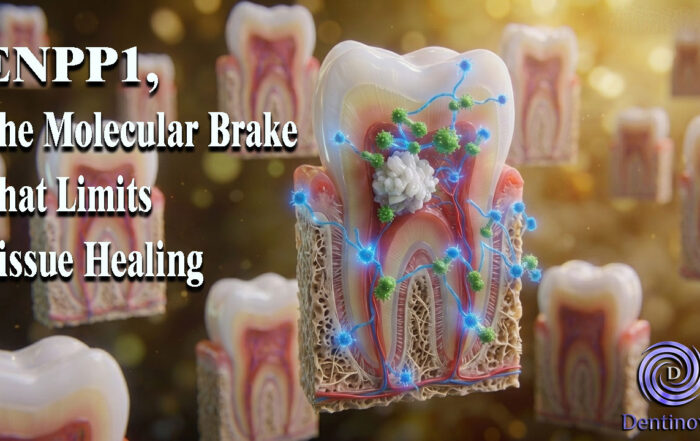
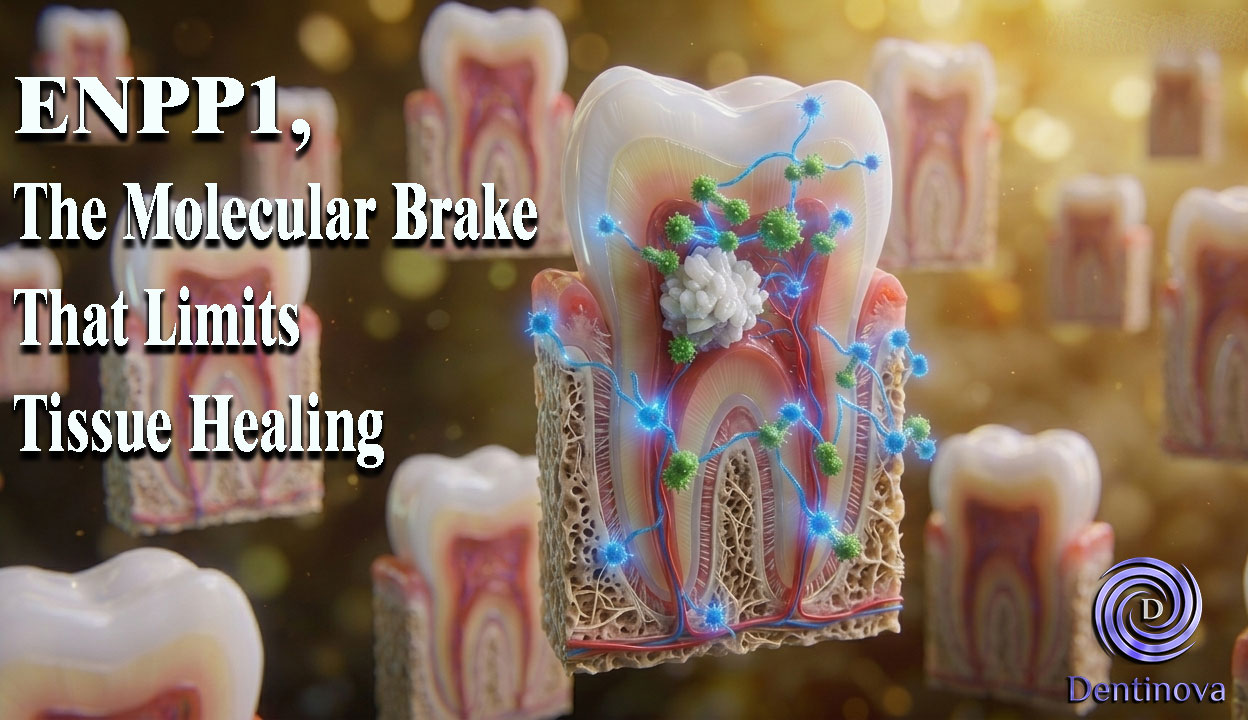
ENPP1, The Molecular Brake That Limits Tissue Healing
ENPP1, The Molecular Brake That Limits Tissue Healing Introduction: A New Biological Barrier to Dental Regeneration Meet ENPP1—a protein most dentists have never heard [...]
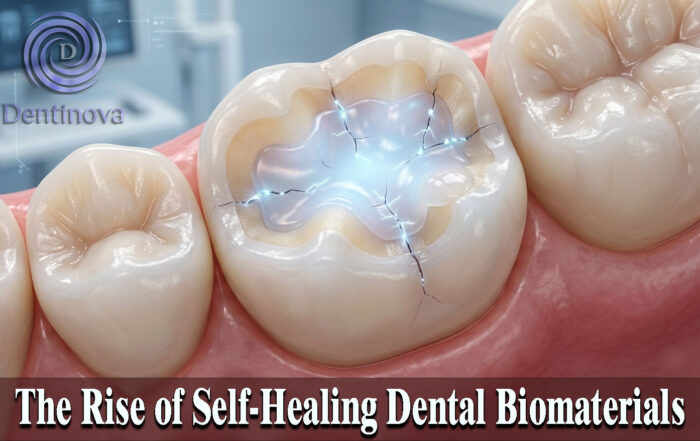
The Rise of Self‑Healing Dental Biomaterials
The Rise of Self‑Healing Dental Biomaterials Introduction In modern restorative dentistry, durability and longevity of materials remain among the greatest clinical challenges. Traditional dental [...]
Water Fluoridation and IQ Scores in Offspring
Water Fluoridation and IQ Scores in Offspring Community water fluoridation has long been regarded as one of the most effective public health interventions for [...]
Dental X-Rays and Brain Tumors
Dental X-Rays and Brain Tumors Dental radiography is a cornerstone of modern dentistry, enabling clinicians to diagnose caries, periodontal disease, and periapical pathology with [...]
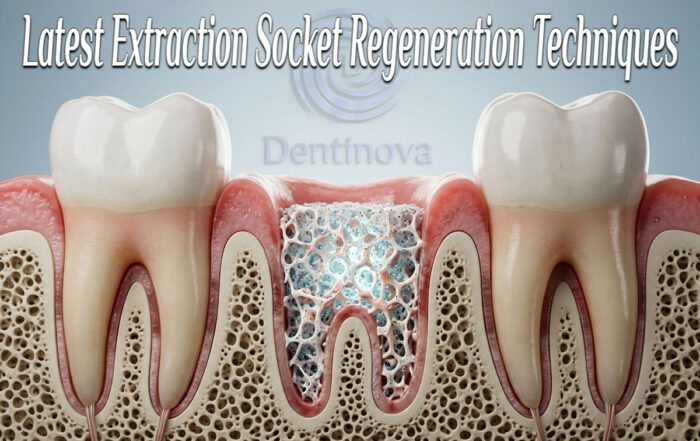
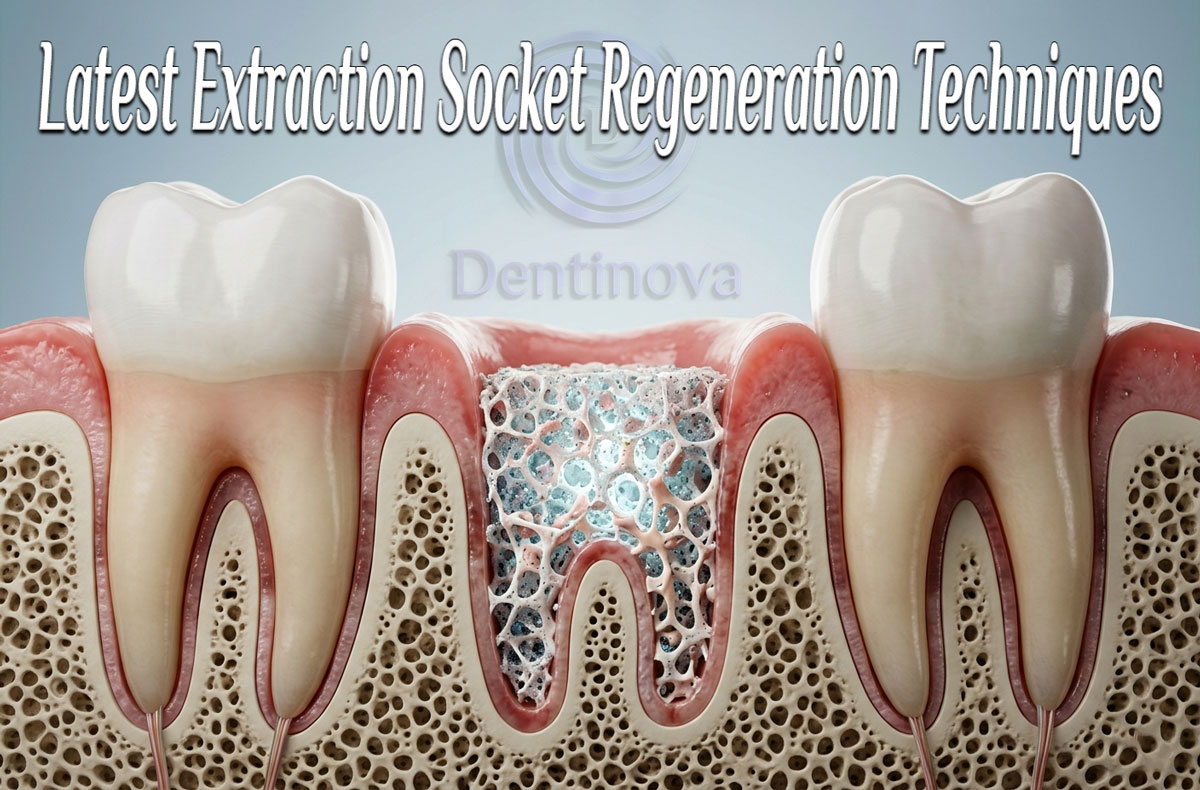
Latest Extraction Socket Regeneration Techniques
Latest Extraction Socket Regeneration Techniques Introduction The alveolar bone surrounding a tooth is a highly specialized structure characterized by a distinctive microarchitecture. One of [...]
Effect of Dental Implant Overdentures on Cognitive Functions
Effect of Dental Implant Overdentures on Cognitive Functions Recent research increasingly highlights the link between oral health and brain function, suggesting that tooth loss [...]