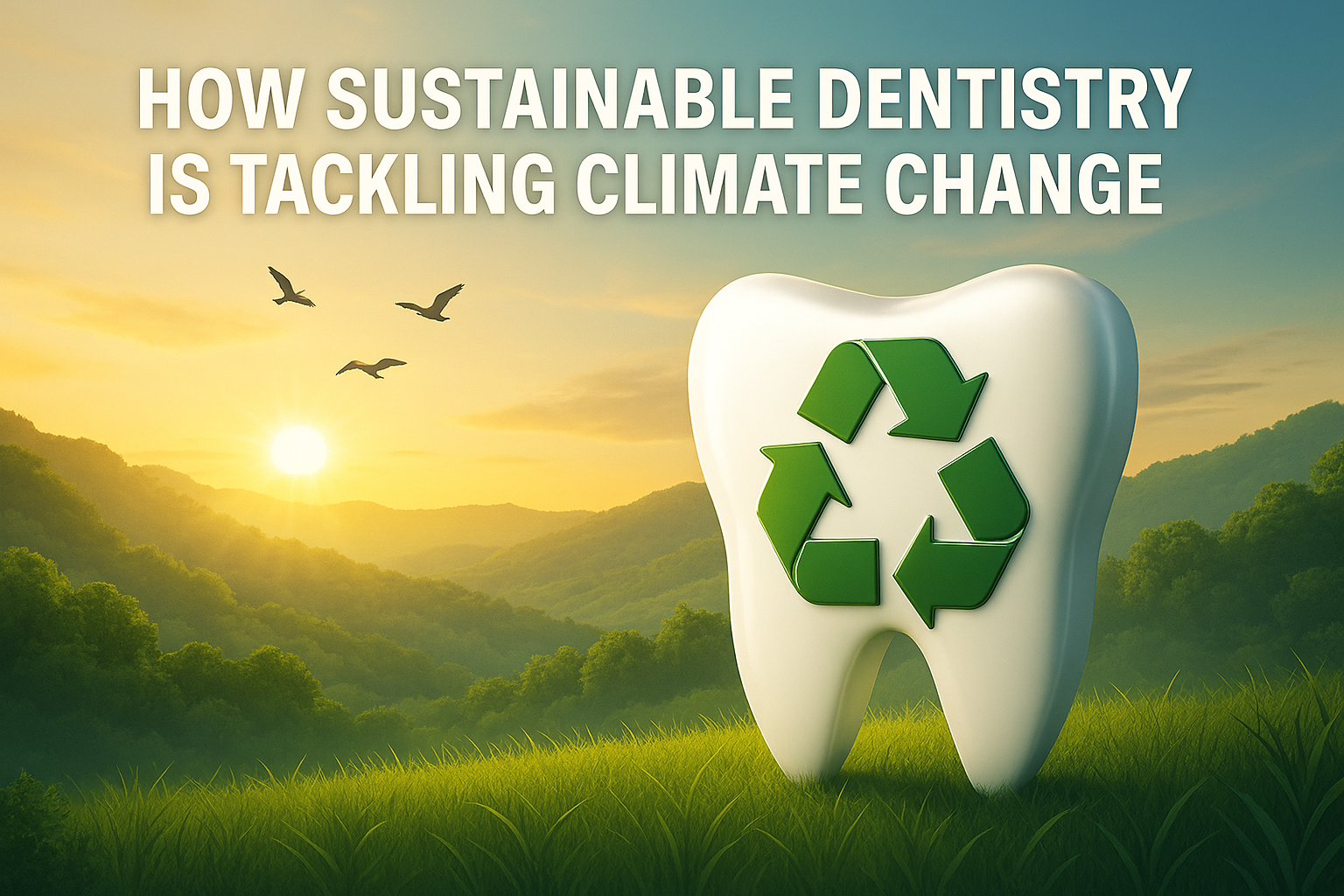
How Sustainable Dentistry is Tackling Climate Change
How Sustainable Dentistry is Tackling Climate Change
How Sustainable Dentistry is Tackling Climate Change
The global conversation around sustainability has reached every sector, including healthcare. Among its many branches, dentistry has traditionally focused on patient care, precision, and hygiene, yet it is also a contributor to the healthcare system’s carbon footprint. Sustainable dentistry is emerging as a powerful movement that aims to minimize the environmental impact of dental care without compromising the quality of treatment. As climate change intensifies, it is essential to understand how the dental field both influences and is influenced by environmental change, and how it can lead to a shift toward a greener, more resilient healthcare model.
1. The Environmental Footprint of Modern Dentistry
While dental clinics may appear small in scale compared to hospitals, their collective environmental impact is significant. The daily operations of dental practices require high energy use, sterilization equipment, and water consumption. Moreover, the reliance on single-use plastics, such as gloves, suction tips, and packaging, contributes heavily to medical waste. These materials often end up in landfills or are incinerated, releasing harmful greenhouse gases.
Additionally, the production and transportation of dental supplies, from restorative materials to prosthetics, generate indirect carbon emissions. Dental laboratories, equipment manufacturing, and even patient and staff commuting add layers of environmental cost. Understanding these factors highlights why sustainable dentistry is not merely a trend but a necessity within climate-conscious healthcare reform.
2. Climate Change and Oral Health: Emerging Challenges
Climate change is not only an environmental crisis, it is a health crisis that includes oral health impacts. Rising global temperatures and increasing air pollution have been linked to dry mouth, oral infections, and inflammatory gum diseases. Prolonged exposure to high temperatures can also lead to dehydration, which affects saliva production and increases cavity risk.
Furthermore, extreme weather events such as floods, heatwaves, and wildfires disrupt access to dental services. Clinics may close temporarily, supply chains may break down, and vulnerable populations may lose access to essential oral care. These disruptions highlight the need for resilient dental systems capable of adapting to environmental instability. The link between oral health and overall health means that ensuring dental care continuity is a crucial part of broader public health resilience under climate stress.
3. Green Dentistry: Reducing Waste and Carbon Emissions
One of the central goals of sustainable dentistry is to minimize waste and resource consumption in dental practice. Many clinics worldwide are now adopting “green dentistry” principles, which emphasize energy-efficient equipment, water conservation, and eco-friendly materials. Small changes, such as switching to LED lighting, using motion-sensor faucets, and optimizing sterilization processes, can significantly reduce a clinic’s carbon footprint.
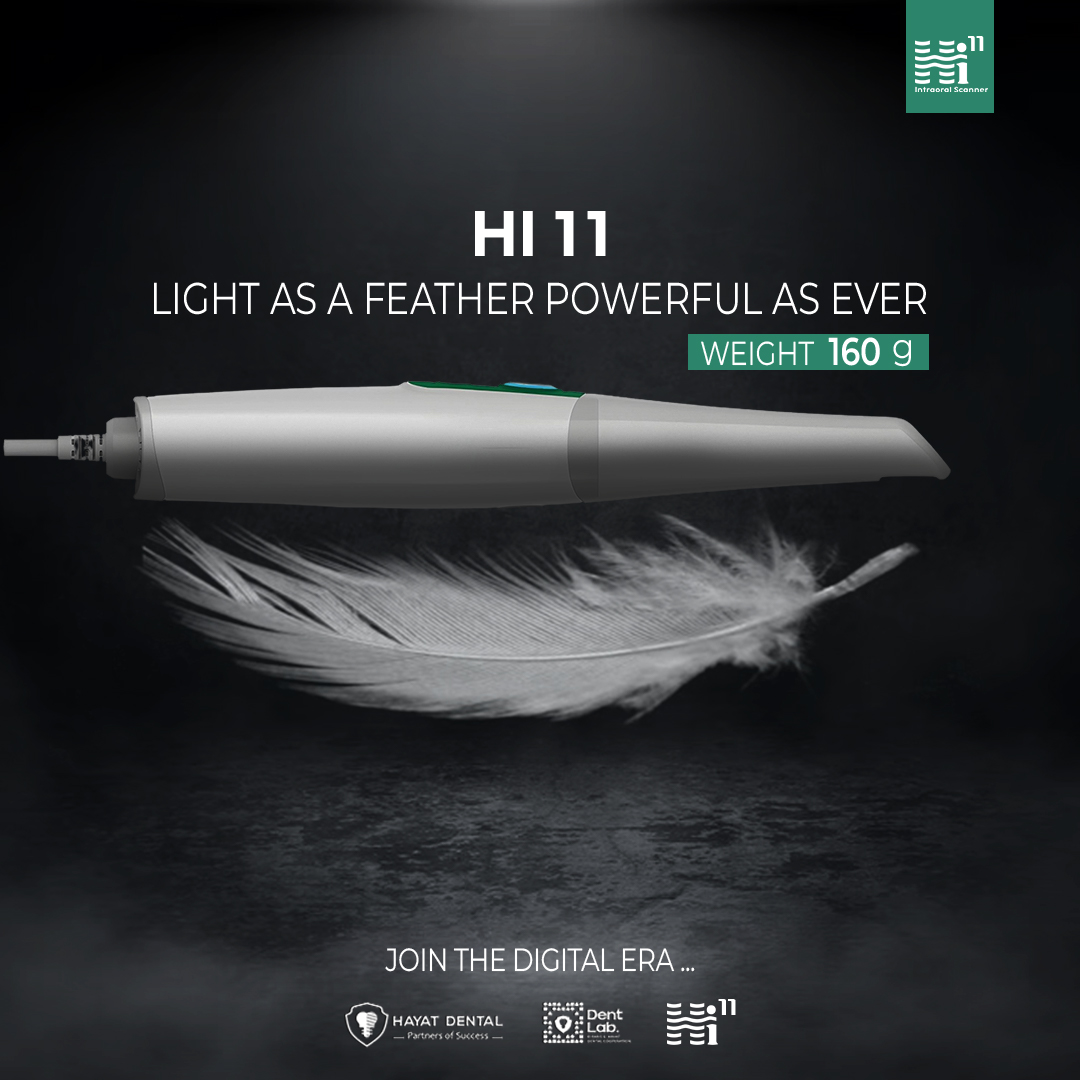
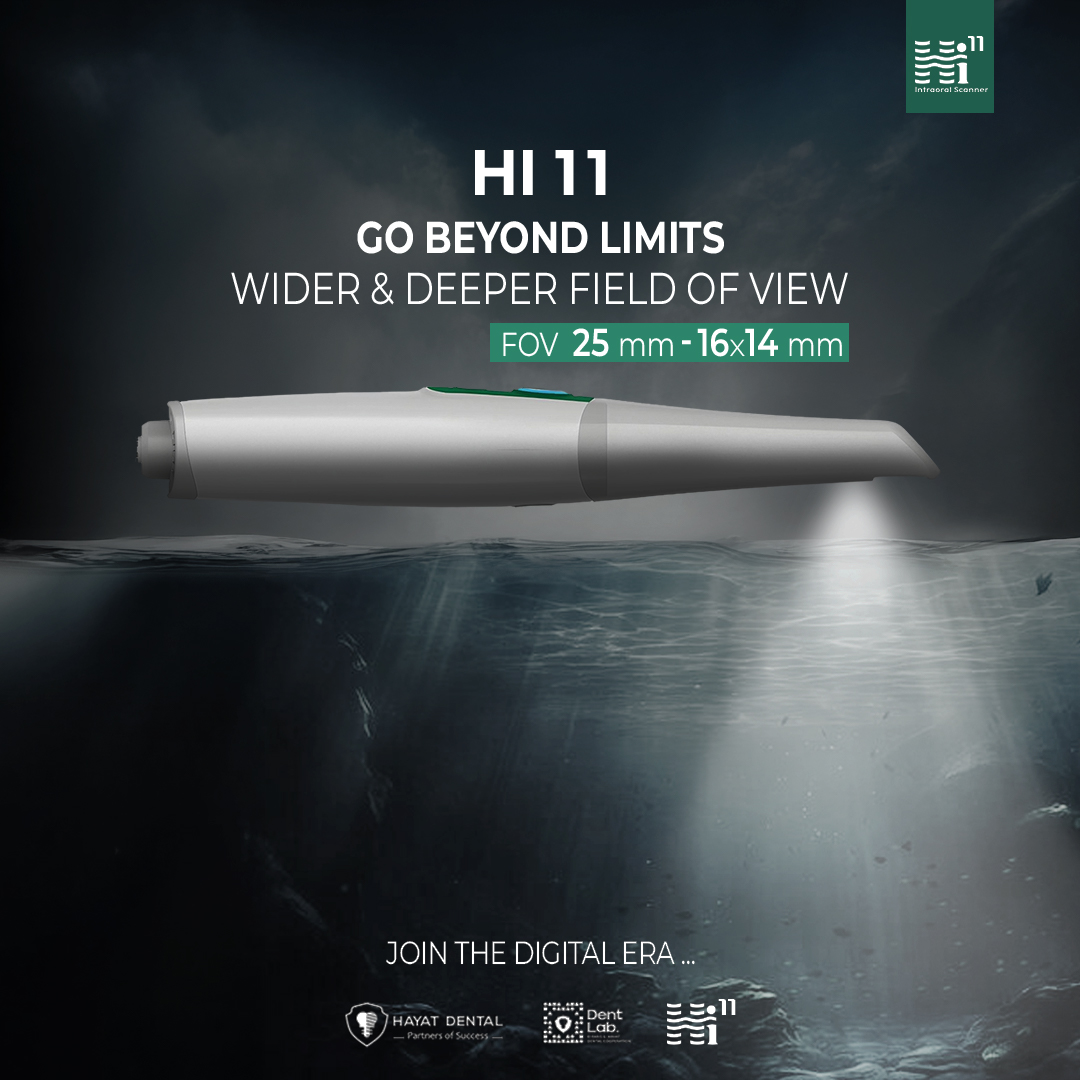
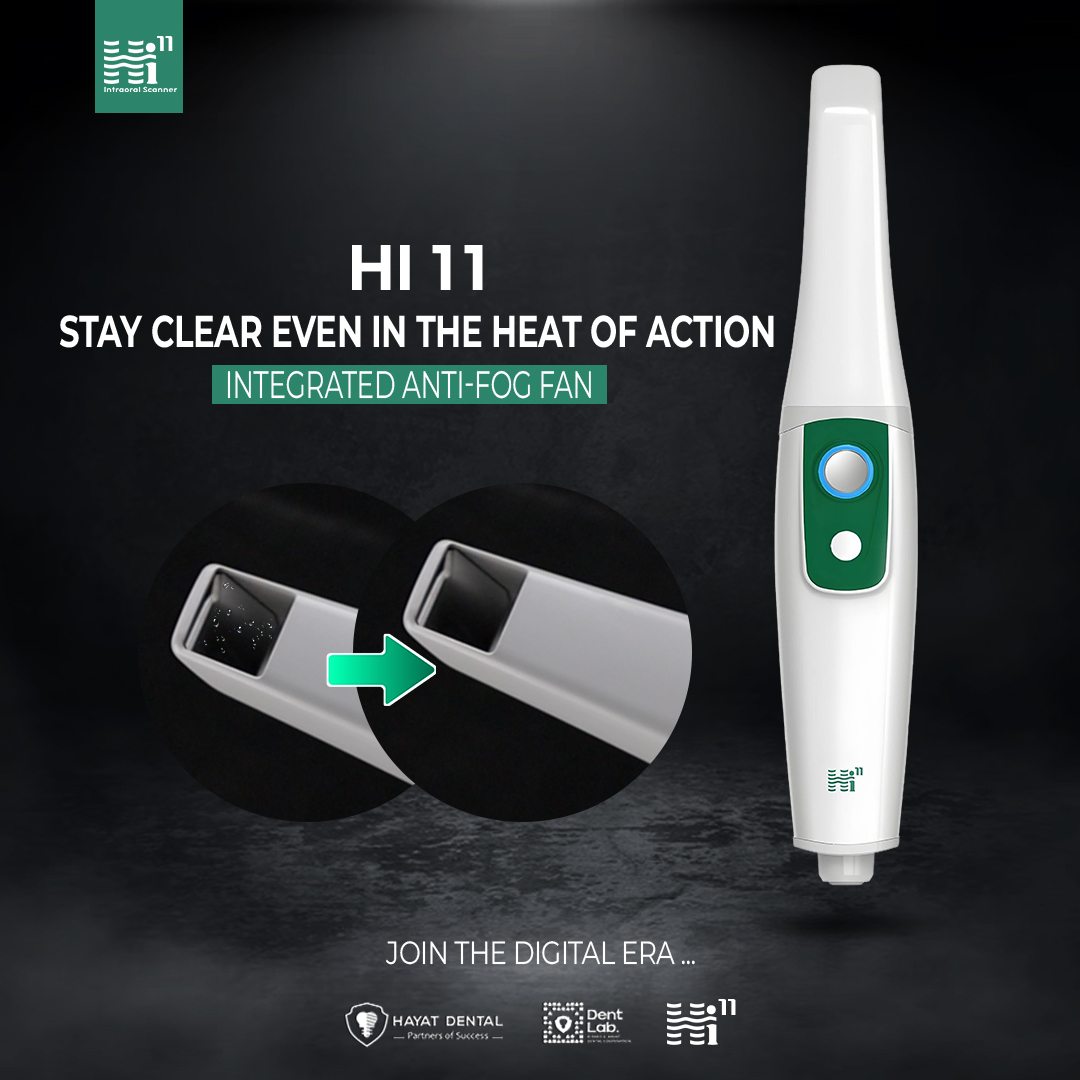
Waste reduction is another key focus. Dental professionals are exploring alternatives to disposable plastic items, using biodegradable suction tips and recyclable packaging. Digital tools, such as intraoral scanners, eliminate the need for physical impressions, cutting down on material waste. Likewise, paperless patient records and electronic prescriptions reduce paper usage and streamline communication, contributing to both environmental and administrative efficiency.
4. Digital Transformation and Sustainable Innovation
Technological innovation is at the heart of sustainable dentistry. The shift toward digital workflows not only enhances precision but also supports environmental goals. Intraoral scanning and computer-aided design and manufacturing (CAD/CAM) reduce material waste and shipping-related emissions. Similarly, 3D printing technologies allow dental professionals to produce models and appliances on-site, decreasing dependence on long-distance laboratory transport and associated carbon output.
Another promising area is teledentistry, the remote provision of dental consultations and follow-ups via digital platforms. By reducing the need for patient travel, teledentistry directly cuts carbon emissions while improving accessibility for rural or mobility-limited patients. The adoption of renewable energy in dental clinics, through solar panels or green energy contracts, represents an additional layer of sustainability, further integrating environmental responsibility into everyday practice.
5. Beyond Waste Management: The Preventive and Social Dimensions
While current sustainable dentistry efforts often focus on eco-friendly materials and waste reduction, a broader and equally impactful approach lies in preventive care. Preventive and minimally invasive dentistry reduces the need for resource-intensive treatments such as crowns, implants, and root canals. By promoting good oral hygiene and regular checkups, dental professionals can lower both clinical workloads and environmental costs associated with restorative care.
Equity and social sustainability also play vital roles. Climate change disproportionately affects low-income communities, which often experience limited access to dental care. Integrating oral health promotion into community and public health initiatives can reduce disease burden and environmental pressure simultaneously. Moreover, including Indigenous knowledge systems and behavioral science perspectives in dental sustainability discussions could foster more inclusive and culturally sensitive approaches to care.
6. The Future of Sustainable Dentistry: Toward Systemic Change
To fully address the environmental challenges facing modern healthcare, dentistry must embrace systemic transformation. This includes conducting life-cycle assessments of dental materials to understand their environmental impact from production to disposal. Green building design for dental clinics, incorporating natural ventilation, daylight optimization, and sustainable materials, can dramatically cut emissions and operating costs.
Policy integration is another frontier. Governments and professional bodies can promote sustainable dentistry by offering incentives for green certifications, funding research on eco-friendly materials, and embedding sustainability principles into dental education. Ethical guidelines that consider environmental responsibility as part of professional conduct can help embed climate consciousness into the culture of dental care.
Ultimately, sustainable dentistry extends beyond the clinic walls. It represents a commitment to planetary health, linking oral care to environmental stewardship. By integrating science, innovation, and social awareness, the dental profession can play a meaningful role in reducing global emissions and ensuring a healthier future for both people and the planet.
Conclusion: Redefining the Role of Dentistry in a Sustainable World
As the world moves toward a low-carbon future, sustainable dentistry is no longer optional; it is essential. The dental profession must recognize its influence within the healthcare ecosystem and act as a catalyst for change. From adopting green technologies and preventive care models to influencing policy and public behavior, dentistry has the potential to lead by example in climate action.
Future research should focus on sustainable material innovation, energy-efficient clinic operations, and strategies for integrating environmental education into dental curricula. By aligning oral health with global sustainability goals, the dental profession can redefine its purpose, healing not just individual patients but the planet itself.
Recent Articles














The global conversation around sustainability has reached every sector, including healthcare. Among its many branches, dentistry has traditionally focused on patient care, precision, and hygiene, yet it is also a contributor to the healthcare system’s carbon footprint. Sustainable dentistry is emerging as a powerful movement that aims to minimize the environmental impact of dental care without compromising the quality of treatment. As climate change intensifies, it is essential to understand how the dental field both influences and is influenced by environmental change, and how it can lead to a shift toward a greener, more resilient healthcare model.
1. The Environmental Footprint of Modern Dentistry
While dental clinics may appear small in scale compared to hospitals, their collective environmental impact is significant. The daily operations of dental practices require high energy use, sterilization equipment, and water consumption. Moreover, the reliance on single-use plastics, such as gloves, suction tips, and packaging, contributes heavily to medical waste. These materials often end up in landfills or are incinerated, releasing harmful greenhouse gases.
Additionally, the production and transportation of dental supplies, from restorative materials to prosthetics, generate indirect carbon emissions. Dental laboratories, equipment manufacturing, and even patient and staff commuting add layers of environmental cost. Understanding these factors highlights why sustainable dentistry is not merely a trend but a necessity within climate-conscious healthcare reform.
2. Climate Change and Oral Health: Emerging Challenges
Climate change is not only an environmental crisis, it is a health crisis that includes oral health impacts. Rising global temperatures and increasing air pollution have been linked to dry mouth, oral infections, and inflammatory gum diseases. Prolonged exposure to high temperatures can also lead to dehydration, which affects saliva production and increases cavity risk.
Furthermore, extreme weather events such as floods, heatwaves, and wildfires disrupt access to dental services. Clinics may close temporarily, supply chains may break down, and vulnerable populations may lose access to essential oral care. These disruptions highlight the need for resilient dental systems capable of adapting to environmental instability. The link between oral health and overall health means that ensuring dental care continuity is a crucial part of broader public health resilience under climate stress.
3. Green Dentistry: Reducing Waste and Carbon Emissions
One of the central goals of sustainable dentistry is to minimize waste and resource consumption in dental practice. Many clinics worldwide are now adopting “green dentistry” principles, which emphasize energy-efficient equipment, water conservation, and eco-friendly materials. Small changes, such as switching to LED lighting, using motion-sensor faucets, and optimizing sterilization processes, can significantly reduce a clinic’s carbon footprint.
Waste reduction is another key focus. Dental professionals are exploring alternatives to disposable plastic items, using biodegradable suction tips and recyclable packaging. Digital tools, such as intraoral scanners, eliminate the need for physical impressions, cutting down on material waste. Likewise, paperless patient records and electronic prescriptions reduce paper usage and streamline communication, contributing to both environmental and administrative efficiency.
4. Digital Transformation and Sustainable Innovation
Technological innovation is at the heart of sustainable dentistry. The shift toward digital workflows not only enhances precision but also supports environmental goals. Intraoral scanning and computer-aided design and manufacturing (CAD/CAM) reduce material waste and shipping-related emissions. Similarly, 3D printing technologies allow dental professionals to produce models and appliances on-site, decreasing dependence on long-distance laboratory transport and associated carbon output.
Another promising area is teledentistry, the remote provision of dental consultations and follow-ups via digital platforms. By reducing the need for patient travel, teledentistry directly cuts carbon emissions while improving accessibility for rural or mobility-limited patients. The adoption of renewable energy in dental clinics, through solar panels or green energy contracts, represents an additional layer of sustainability, further integrating environmental responsibility into everyday practice.
5. Beyond Waste Management: The Preventive and Social Dimensions
While current sustainable dentistry efforts often focus on eco-friendly materials and waste reduction, a broader and equally impactful approach lies in preventive care. Preventive and minimally invasive dentistry reduces the need for resource-intensive treatments such as crowns, implants, and root canals. By promoting good oral hygiene and regular checkups, dental professionals can lower both clinical workloads and environmental costs associated with restorative care.
Equity and social sustainability also play vital roles. Climate change disproportionately affects low-income communities, which often experience limited access to dental care. Integrating oral health promotion into community and public health initiatives can reduce disease burden and environmental pressure simultaneously. Moreover, including Indigenous knowledge systems and behavioral science perspectives in dental sustainability discussions could foster more inclusive and culturally sensitive approaches to care.
6. The Future of Sustainable Dentistry: Toward Systemic Change
To fully address the environmental challenges facing modern healthcare, dentistry must embrace systemic transformation. This includes conducting life-cycle assessments of dental materials to understand their environmental impact from production to disposal. Green building design for dental clinics, incorporating natural ventilation, daylight optimization, and sustainable materials, can dramatically cut emissions and operating costs.
Policy integration is another frontier. Governments and professional bodies can promote sustainable dentistry by offering incentives for green certifications, funding research on eco-friendly materials, and embedding sustainability principles into dental education. Ethical guidelines that consider environmental responsibility as part of professional conduct can help embed climate consciousness into the culture of dental care.
Ultimately, sustainable dentistry extends beyond the clinic walls. It represents a commitment to planetary health, linking oral care to environmental stewardship. By integrating science, innovation, and social awareness, the dental profession can play a meaningful role in reducing global emissions and ensuring a healthier future for both people and the planet.
Conclusion: Redefining the Role of Dentistry in a Sustainable World
As the world moves toward a low-carbon future, sustainable dentistry is no longer optional; it is essential. The dental profession must recognize its influence within the healthcare ecosystem and act as a catalyst for change. From adopting green technologies and preventive care models to influencing policy and public behavior, dentistry has the potential to lead by example in climate action.
Future research should focus on sustainable material innovation, energy-efficient clinic operations, and strategies for integrating environmental education into dental curricula. By aligning oral health with global sustainability goals, the dental profession can redefine its purpose, healing not just individual patients but the planet itself.
Recent Articles
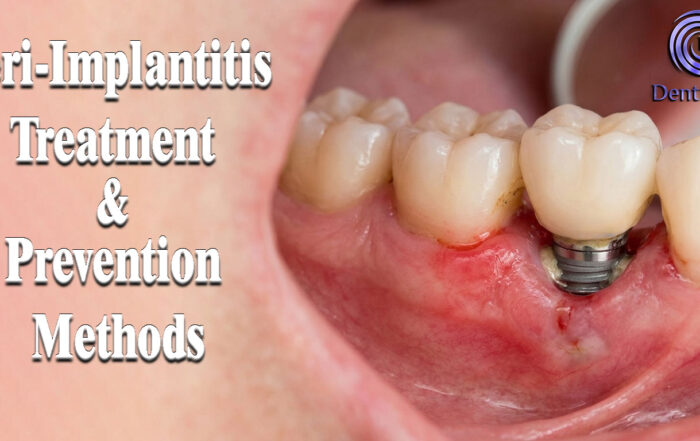
Peri-Implantitis Treatment & Prevention Methods
Peri-Implantitis Treatment & Prevention Methods Peri-implantitis remains one of the most significant biological complications affecting dental implants, posing a serious threat to long-term implant [...]
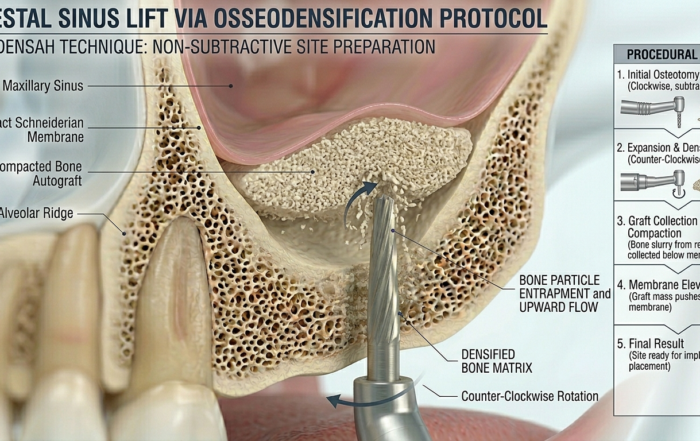
Latest Sinus Lifting Techniques in Modern Implant Dentistry
Latest Sinus Lifting Techniques in Modern Implant Dentistry A Comprehensive Clinical Review Introduction to Sinus Lifting in Implantology Sinus lifting, or maxillary sinus floor [...]
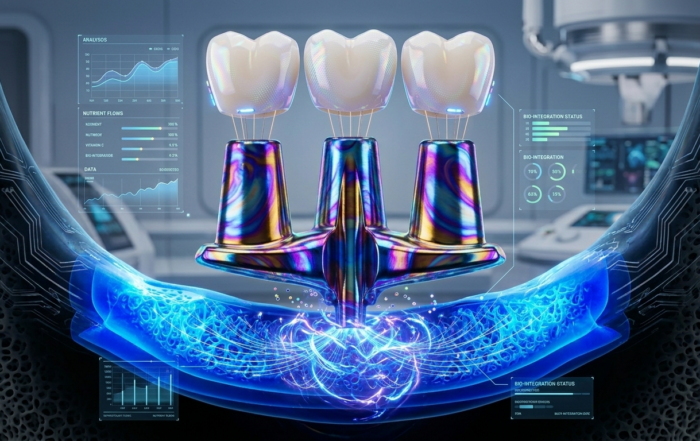
Biomechanics of the Triple Abutment & BOPiT Concept
Dental Biomechanics · Implant Science · Clinical Evidence Biomechanics of the Triple Abutment & BOPiT Concept How a saddle-shaped mathematical surface is rewriting the rules of load distribution [...]
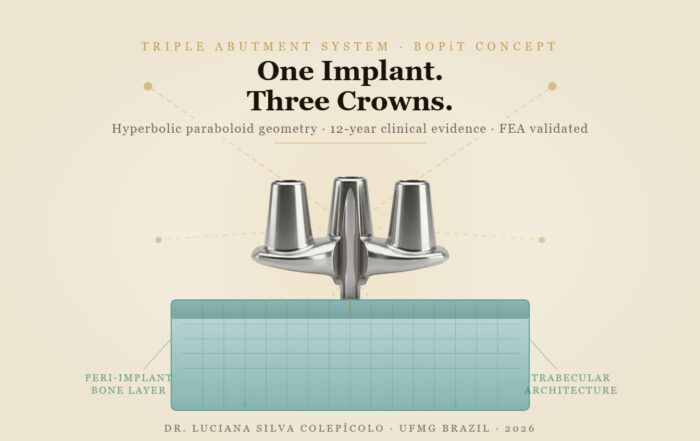
The Woman Who Proved One Implant Could Hold Three Crowns
The Woman Who Proved One Implant Could Hold Three Crowns While the dental establishment looked away, Dr. Luciana Colepícolo spent 12 years building the [...]
ENPP1, The Molecular Brake That Limits Tissue Healing
ENPP1, The Molecular Brake That Limits Tissue Healing Introduction: A New Biological Barrier to Dental Regeneration Meet ENPP1—a protein most dentists have never heard [...]
The Rise of Self‑Healing Dental Biomaterials
The Rise of Self‑Healing Dental Biomaterials Introduction In modern restorative dentistry, durability and longevity of materials remain among the greatest clinical challenges. Traditional dental [...]