Understanding Dental Forensics : The Science Behind Solving Crimes
Dental forensics is a fascinating and crucial field that plays a pivotal role in criminal investigations. This specialized branch of forensic science uses dental evidence to identify individuals, solve crimes, and even assist in mass disaster identification. With its growing importance in law enforcement, understanding the intricacies of ” dental forensics ” can provide valuable insights into how modern investigative techniques are evolving.
What Is Dental Forensics?
At its core, ” dental forensics ” involves the examination and analysis of dental records, teeth, and bite marks to establish identity or contribute to criminal investigations. Teeth are one of the most durable parts of the human body, making them invaluable in cases where traditional methods of identification, such as fingerprints or DNA, may not be feasible. For instance, in cases of fire, decomposition, or mass disasters, dental structures often remain intact, providing critical clues for investigators.
The Role of Dental Forensics in Criminal Investigations
In criminal cases, ” dental forensics ” can help link suspects to crime scenes through bite mark analysis. Bite marks left on victims or objects at crime scenes can serve as unique identifiers, much like fingerprints. Forensic odontologists (dentists specializing in this field) analyze these marks to determine whether they match the dental structure of a suspect. This process has been instrumental in solving high-profile cases, where bite mark evidence played a decisive role in securing convictions.
How Does Dental Forensics Work?
The process of ” dental forensics ” begins with the collection of dental records, which include X-rays, photographs, and detailed charts documenting an individual’s dental history. These records are then compared to post-mortem findings to confirm identity. In cases where antemortem records are unavailable, forensic odontologists rely on other methods, such as comparing dental features to family members or using advanced imaging technologies.
Dental Forensics and Mass Disasters
One of the most significant applications of ” dental forensics ” is in identifying victims of mass disasters, such as plane crashes, natural calamities, or terrorist attacks. In these scenarios, traditional identification methods are often rendered ineffective due to the extent of damage to human remains. Dental records, however, can withstand extreme conditions, including fire and water exposure, making them indispensable for disaster victim identification (DVI).
Forensic teams use portable dental X-ray units and 3D imaging software to quickly compare post-mortem dental data with existing records. This rapid identification process helps bring closure to grieving families and aids authorities in managing the aftermath of catastrophic events.
The Importance of Bite Mark Analysis in Dental Forensics
Bite mark analysis is one of the most well-known aspects of ” dental forensics “. It involves studying the unique patterns left by a person’s teeth when they bite into soft tissue or objects. Each individual’s dental structure is distinct, influenced by factors such as tooth alignment, wear, and dental work. By analyzing these patterns, forensic odontologists can create a profile of the biter, narrowing down potential suspects.
Challenges and Controversies in Bite Mark Evidence
While bite mark analysis has proven useful in many cases, it is not without controversy. Critics argue that the interpretation of bite marks can be subjective, leading to potential errors in identification. As a result, some legal experts have called for stricter guidelines and standardized protocols to ensure the reliability of bite mark evidence in court. Despite these challenges, advancements in digital imaging and computer modeling are helping to improve the accuracy of ” dental forensics “.
Advancements in Dental Forensics Technology
The field of ” dental forensics ” has seen remarkable advancements in recent years, thanks to cutting-edge technology. High-resolution imaging, 3D printing, and artificial intelligence (AI) are revolutionizing how forensic odontologists analyze dental evidence.
3D Imaging and Dental Forensics
3D imaging technology allows forensic experts to create highly detailed models of teeth and jaw structures. These models can be used to simulate bite marks or reconstruct fragmented dental remains. This level of precision enhances the reliability of dental evidence and provides clearer insights during investigations.
AI and Machine Learning in Dental Forensics
Artificial intelligence is increasingly being integrated into” dental forensics “, enabling faster and more accurate analyses. Machine learning algorithms can process vast amounts of dental data, identifying patterns and matches that might be missed by human examiners. This technology holds immense potential for streamlining the identification process and reducing human error.
The Future of Dental Forensics
As technology continues to evolve, the future of ” dental forensics ” looks promising. Innovations in biometrics, nanotechnology, and genetic profiling could further enhance the capabilities of forensic odontologists. For example, researchers are exploring the possibility of extracting DNA from dental pulp, which could provide additional layers of identification beyond traditional methods.
Training and Education in Dental Forensics
To meet the growing demand for skilled professionals, universities and institutions are offering specialized courses in ” dental forensics “. These programs equip students with the knowledge and practical skills needed to excel in this dynamic field. Aspiring forensic odontologists learn about dental anatomy, radiology, and the legal aspects of presenting evidence in court.
Conclusion: The Enduring Value of Dental Forensics
In conclusion, ” dental forensics ” is an indispensable tool in modern investigative practices. Its ability to provide reliable identification and contribute to criminal justice makes it a cornerstone of forensic science. Whether it’s solving murders, identifying disaster victims, or advancing technological capabilities, the field continues to evolve and adapt to new challenges.
For those interested in pursuing a career in this exciting domain, the opportunities are vast and rewarding. As awareness of ” dental forensics ” grows, so does its impact on society, ensuring that justice is served and lives are honored even in the most challenging circumstances.
Recent Articles



























Dental forensics is a fascinating and crucial field that plays a pivotal role in criminal investigations. This specialized branch of forensic science uses dental evidence to identify individuals, solve crimes, and even assist in mass disaster identification. With its growing importance in law enforcement, understanding the intricacies of ” dental forensics ” can provide valuable insights into how modern investigative techniques are evolving.
What Is Dental Forensics?
At its core, ” dental forensics ” involves the examination and analysis of dental records, teeth, and bite marks to establish identity or contribute to criminal investigations. Teeth are one of the most durable parts of the human body, making them invaluable in cases where traditional methods of identification, such as fingerprints or DNA, may not be feasible. For instance, in cases of fire, decomposition, or mass disasters, dental structures often remain intact, providing critical clues for investigators.
The Role of Dental Forensics in Criminal Investigations
In criminal cases, ” dental forensics ” can help link suspects to crime scenes through bite mark analysis. Bite marks left on victims or objects at crime scenes can serve as unique identifiers, much like fingerprints. Forensic odontologists (dentists specializing in this field) analyze these marks to determine whether they match the dental structure of a suspect. This process has been instrumental in solving high-profile cases, where bite mark evidence played a decisive role in securing convictions.
How Does Dental Forensics Work?
The process of ” dental forensics ” begins with the collection of dental records, which include X-rays, photographs, and detailed charts documenting an individual’s dental history. These records are then compared to post-mortem findings to confirm identity. In cases where antemortem records are unavailable, forensic odontologists rely on other methods, such as comparing dental features to family members or using advanced imaging technologies.
Dental Forensics and Mass Disasters
One of the most significant applications of ” dental forensics ” is in identifying victims of mass disasters, such as plane crashes, natural calamities, or terrorist attacks. In these scenarios, traditional identification methods are often rendered ineffective due to the extent of damage to human remains. Dental records, however, can withstand extreme conditions, including fire and water exposure, making them indispensable for disaster victim identification (DVI).
Forensic teams use portable dental X-ray units and 3D imaging software to quickly compare post-mortem dental data with existing records. This rapid identification process helps bring closure to grieving families and aids authorities in managing the aftermath of catastrophic events.
The Importance of Bite Mark Analysis in Dental Forensics
Bite mark analysis is one of the most well-known aspects of ” dental forensics “. It involves studying the unique patterns left by a person’s teeth when they bite into soft tissue or objects. Each individual’s dental structure is distinct, influenced by factors such as tooth alignment, wear, and dental work. By analyzing these patterns, forensic odontologists can create a profile of the biter, narrowing down potential suspects.
Challenges and Controversies in Bite Mark Evidence
While bite mark analysis has proven useful in many cases, it is not without controversy. Critics argue that the interpretation of bite marks can be subjective, leading to potential errors in identification. As a result, some legal experts have called for stricter guidelines and standardized protocols to ensure the reliability of bite mark evidence in court. Despite these challenges, advancements in digital imaging and computer modeling are helping to improve the accuracy of ” dental forensics “.
Advancements in Dental Forensics Technology
The field of ” dental forensics ” has seen remarkable advancements in recent years, thanks to cutting-edge technology. High-resolution imaging, 3D printing, and artificial intelligence (AI) are revolutionizing how forensic odontologists analyze dental evidence.
3D Imaging and Dental Forensics
3D imaging technology allows forensic experts to create highly detailed models of teeth and jaw structures. These models can be used to simulate bite marks or reconstruct fragmented dental remains. This level of precision enhances the reliability of dental evidence and provides clearer insights during investigations.
AI and Machine Learning in Dental Forensics
Artificial intelligence is increasingly being integrated into” dental forensics “, enabling faster and more accurate analyses. Machine learning algorithms can process vast amounts of dental data, identifying patterns and matches that might be missed by human examiners. This technology holds immense potential for streamlining the identification process and reducing human error.
The Future of Dental Forensics
As technology continues to evolve, the future of ” dental forensics ” looks promising. Innovations in biometrics, nanotechnology, and genetic profiling could further enhance the capabilities of forensic odontologists. For example, researchers are exploring the possibility of extracting DNA from dental pulp, which could provide additional layers of identification beyond traditional methods.
Training and Education in Dental Forensics
To meet the growing demand for skilled professionals, universities and institutions are offering specialized courses in ” dental forensics “. These programs equip students with the knowledge and practical skills needed to excel in this dynamic field. Aspiring forensic odontologists learn about dental anatomy, radiology, and the legal aspects of presenting evidence in court.
Conclusion: The Enduring Value of Dental Forensics
In conclusion, ” dental forensics ” is an indispensable tool in modern investigative practices. Its ability to provide reliable identification and contribute to criminal justice makes it a cornerstone of forensic science. Whether it’s solving murders, identifying disaster victims, or advancing technological capabilities, the field continues to evolve and adapt to new challenges.
For those interested in pursuing a career in this exciting domain, the opportunities are vast and rewarding. As awareness of ” dental forensics ” grows, so does its impact on society, ensuring that justice is served and lives are honored even in the most challenging circumstances.
Recent Articles
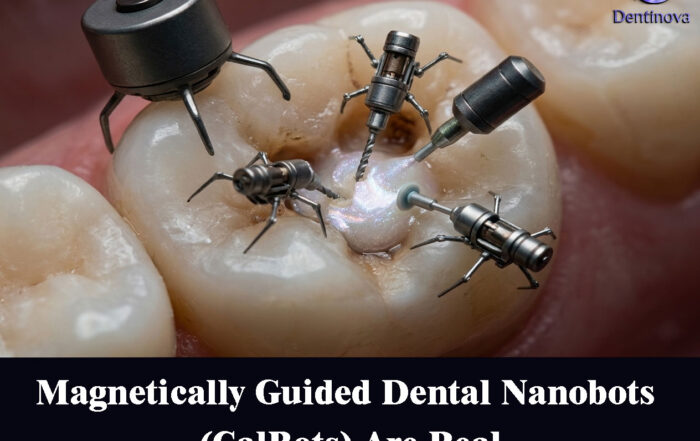
Magnetically Guided Dental Nanobots (CalBots) Are Real
Magnetically Guided Dental Nanobots (CalBots) Are Real The concept of nanobots in dentistry has long been associated with futuristic speculation. However, recent peer-reviewed research [...]
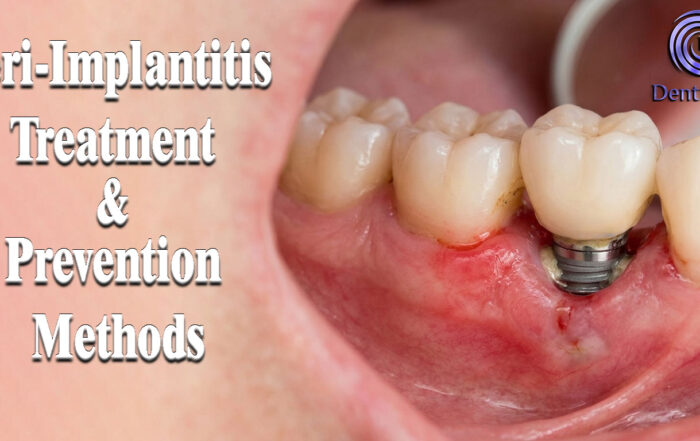
Peri-Implantitis Treatment & Prevention Methods
Peri-Implantitis Treatment & Prevention Methods Peri-implantitis remains one of the most significant biological complications affecting dental implants, posing a serious threat to long-term implant [...]
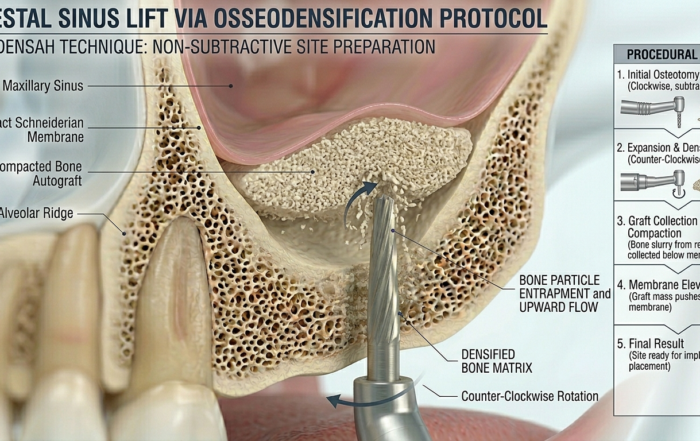
Latest Sinus Lifting Techniques in Modern Implant Dentistry
Latest Sinus Lifting Techniques in Modern Implant Dentistry A Comprehensive Clinical Review Introduction to Sinus Lifting in Implantology Sinus lifting, or maxillary sinus floor [...]
Biomechanics of the Triple Abutment & BOPiT Concept
Dental Biomechanics · Implant Science · Clinical Evidence Biomechanics of the Triple Abutment & BOPiT Concept How a saddle-shaped mathematical surface is rewriting the rules of load distribution [...]
The Woman Who Proved One Implant Could Hold Three Crowns
The Woman Who Proved One Implant Could Hold Three Crowns While the dental establishment looked away, Dr. Luciana Colepícolo spent 12 years building the [...]
ENPP1, The Molecular Brake That Limits Tissue Healing
ENPP1, The Molecular Brake That Limits Tissue Healing Introduction: A New Biological Barrier to Dental Regeneration Meet ENPP1—a protein most dentists have never heard [...]