𝐂𝐚𝐧 𝐂𝐫𝐞𝐬𝐜𝐞𝐧𝐭 𝐑𝐨𝐭𝐚𝐭𝐢𝐨𝐧𝐚𝐥 𝐅𝐥𝐚𝐩𝐬 𝐛𝐞 𝐮𝐬𝐞𝐝 𝐢𝐧 𝐃𝐞𝐧𝐭𝐚𝐥 𝐒𝐮𝐫𝐠𝐞𝐫𝐲?
Although crescent rotational flaps are not a standard or commonly used technique in dentistry, this curved incision may occasionally be employed for aesthetic or reconstructive purposes (e.g., gum contouring or tension-free closure). The term “crescent flap” is not widely recognized in mainstream dental literature.
It may refer to niche or context-specific adaptations, but it is not a conventional part of periodontal or oral surgical practice.
𝐏𝐨𝐬𝐬𝐢𝐛𝐥𝐞 𝐂𝐨𝐧𝐭𝐞𝐱𝐭𝐬 𝐨𝐟 𝐔𝐬𝐞 of Crescent Rotational Flaps:
𝐒𝐨𝐟𝐭 𝐓𝐢𝐬𝐬𝐮𝐞 𝐌𝐚𝐧𝐚𝐠𝐞𝐦𝐞𝐧𝐭:
In cosmetic dentistry or gum contouring, crescent rotational flaps might be used to reshape the gingival margin, particularly for correcting a “gummy smile” by removing a curved section of tissue.
𝐑𝐞𝐜𝐨𝐧𝐬𝐭𝐫𝐮𝐜𝐭𝐢𝐯𝐞 𝐏𝐫𝐨𝐜𝐞𝐝𝐮𝐫𝐞𝐬:
In oral and maxillofacial surgery, a crescent-shaped flap could theoretically be adapted for closing defects or redistributing tissue tension, similar to techniques in plastic surgery.
Niche Techniques: It may refer to a specialized or localized flap design used in specific clinical scenarios, such as implant site development or vestibuloplasty, though this is not commonly documented.
𝐒𝐭𝐚𝐧𝐝𝐚𝐫𝐝 𝐅𝐥𝐚𝐩𝐬 𝐯𝐬. 𝐂𝐫𝐞𝐬𝐜𝐞𝐧𝐭 Rotational 𝐅𝐥𝐚𝐩s :
Common periodontal flaps (e.g., envelope, triangular, papilla preservation) are linear or angular, while a crescent flap implies a curved design. Such a shape might aid in tension-free closure or aesthetic outcomes but is not a conventional term.
𝐂𝐨𝐧𝐜𝐥𝐮𝐬𝐢𝐨𝐧:
While the term “crescent flap” does not appear in standard dental textbooks or protocols, it might describe a curved incision pattern used anecdotally or in specific contexts. Its application, if any, would likely be limited to specialized cases or innovative techniques rather than routine practice.
𝐂𝐫𝐞𝐬𝐜𝐞𝐧𝐭 Rotational Flaps 𝐢𝐧 𝐭𝐡𝐞 𝐃𝐞𝐧𝐭𝐚𝐥 𝐋𝐢𝐭𝐞𝐫𝐚𝐭𝐮𝐫𝐞:
There is limited but verifiable evidence of rotational crescent flaps being used in dentistry, primarily in:
– Aesthetic gingival contouring,
– Small oral defect reconstruction,
– Tension-free closure in implantology.
However, these are not standardized techniques and are often described as adaptations of plastic surgery principles. For specific examples, consult:
– Zucchelli et al. (2013) on periodontal plastic surgery,
– Case reports in the International Journal of Oral and Maxillofacial Surgery (e.g., palatal defect closure).
Recent Articles

























Although crescent rotational flaps are not a standard or commonly used technique in dentistry, this curved incision may occasionally be employed for aesthetic or reconstructive purposes (e.g., gum contouring or tension-free closure). The term “crescent flap” is not widely recognized in mainstream dental literature.
It may refer to niche or context-specific adaptations, but it is not a conventional part of periodontal or oral surgical practice.
𝐏𝐨𝐬𝐬𝐢𝐛𝐥𝐞 𝐂𝐨𝐧𝐭𝐞𝐱𝐭𝐬 𝐨𝐟 𝐔𝐬𝐞 of Crescent Rotational Flaps:
𝐒𝐨𝐟𝐭 𝐓𝐢𝐬𝐬𝐮𝐞 𝐌𝐚𝐧𝐚𝐠𝐞𝐦𝐞𝐧𝐭:
In cosmetic dentistry or gum contouring, crescent rotational flaps might be used to reshape the gingival margin, particularly for correcting a “gummy smile” by removing a curved section of tissue.
𝐑𝐞𝐜𝐨𝐧𝐬𝐭𝐫𝐮𝐜𝐭𝐢𝐯𝐞 𝐏𝐫𝐨𝐜𝐞𝐝𝐮𝐫𝐞𝐬:
In oral and maxillofacial surgery, a crescent-shaped flap could theoretically be adapted for closing defects or redistributing tissue tension, similar to techniques in plastic surgery.
Niche Techniques: It may refer to a specialized or localized flap design used in specific clinical scenarios, such as implant site development or vestibuloplasty, though this is not commonly documented.
𝐒𝐭𝐚𝐧𝐝𝐚𝐫𝐝 𝐅𝐥𝐚𝐩𝐬 𝐯𝐬. 𝐂𝐫𝐞𝐬𝐜𝐞𝐧𝐭 Rotational 𝐅𝐥𝐚𝐩s :
Common periodontal flaps (e.g., envelope, triangular, papilla preservation) are linear or angular, while a crescent flap implies a curved design. Such a shape might aid in tension-free closure or aesthetic outcomes but is not a conventional term.
𝐂𝐨𝐧𝐜𝐥𝐮𝐬𝐢𝐨𝐧:
While the term “crescent flap” does not appear in standard dental textbooks or protocols, it might describe a curved incision pattern used anecdotally or in specific contexts. Its application, if any, would likely be limited to specialized cases or innovative techniques rather than routine practice.
𝐂𝐫𝐞𝐬𝐜𝐞𝐧𝐭 Rotational Flaps 𝐢𝐧 𝐭𝐡𝐞 𝐃𝐞𝐧𝐭𝐚𝐥 𝐋𝐢𝐭𝐞𝐫𝐚𝐭𝐮𝐫𝐞:
There is limited but verifiable evidence of rotational crescent flaps being used in dentistry, primarily in:
– Aesthetic gingival contouring,
– Small oral defect reconstruction,
– Tension-free closure in implantology.
However, these are not standardized techniques and are often described as adaptations of plastic surgery principles. For specific examples, consult:
– Zucchelli et al. (2013) on periodontal plastic surgery,
– Case reports in the International Journal of Oral and Maxillofacial Surgery (e.g., palatal defect closure).
Recent Articles
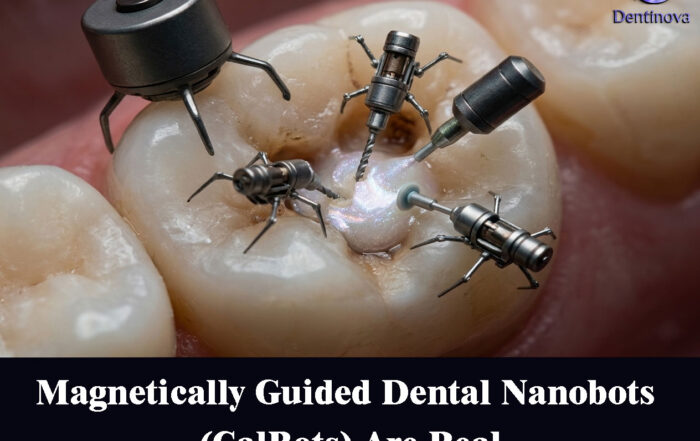
Magnetically Guided Dental Nanobots (CalBots) Are Real
Magnetically Guided Dental Nanobots (CalBots) Are Real The concept of nanobots in dentistry has long been associated with futuristic speculation. However, recent peer-reviewed research [...]
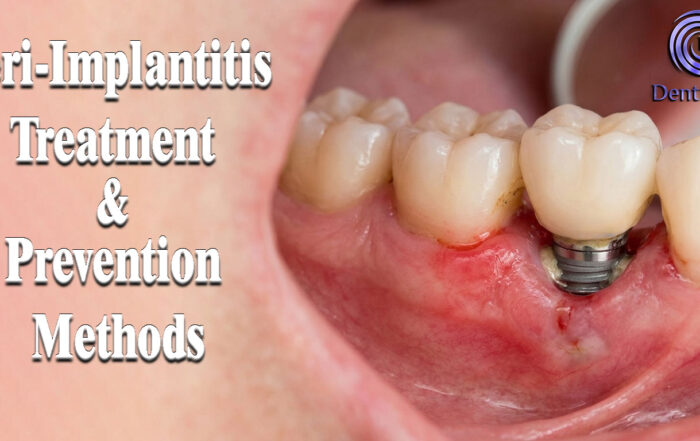
Peri-Implantitis Treatment & Prevention Methods
Peri-Implantitis Treatment & Prevention Methods Peri-implantitis remains one of the most significant biological complications affecting dental implants, posing a serious threat to long-term implant [...]
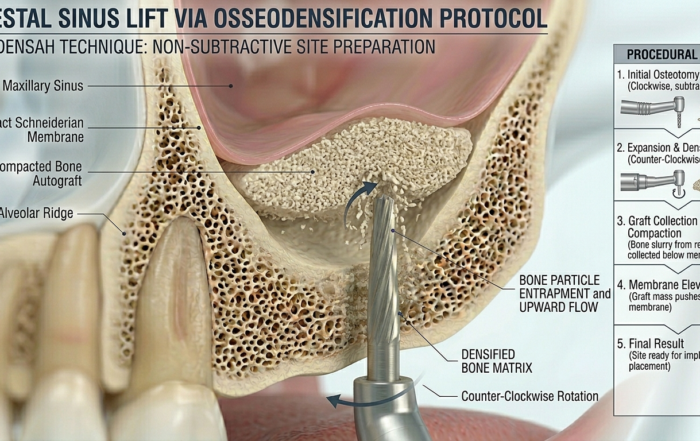
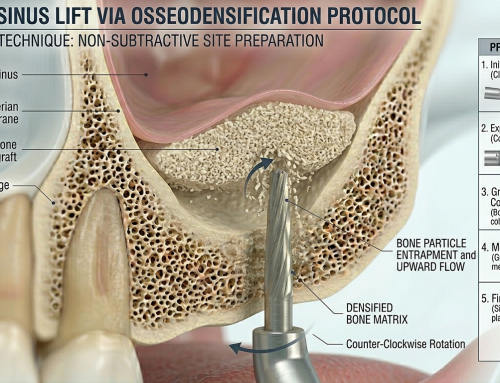
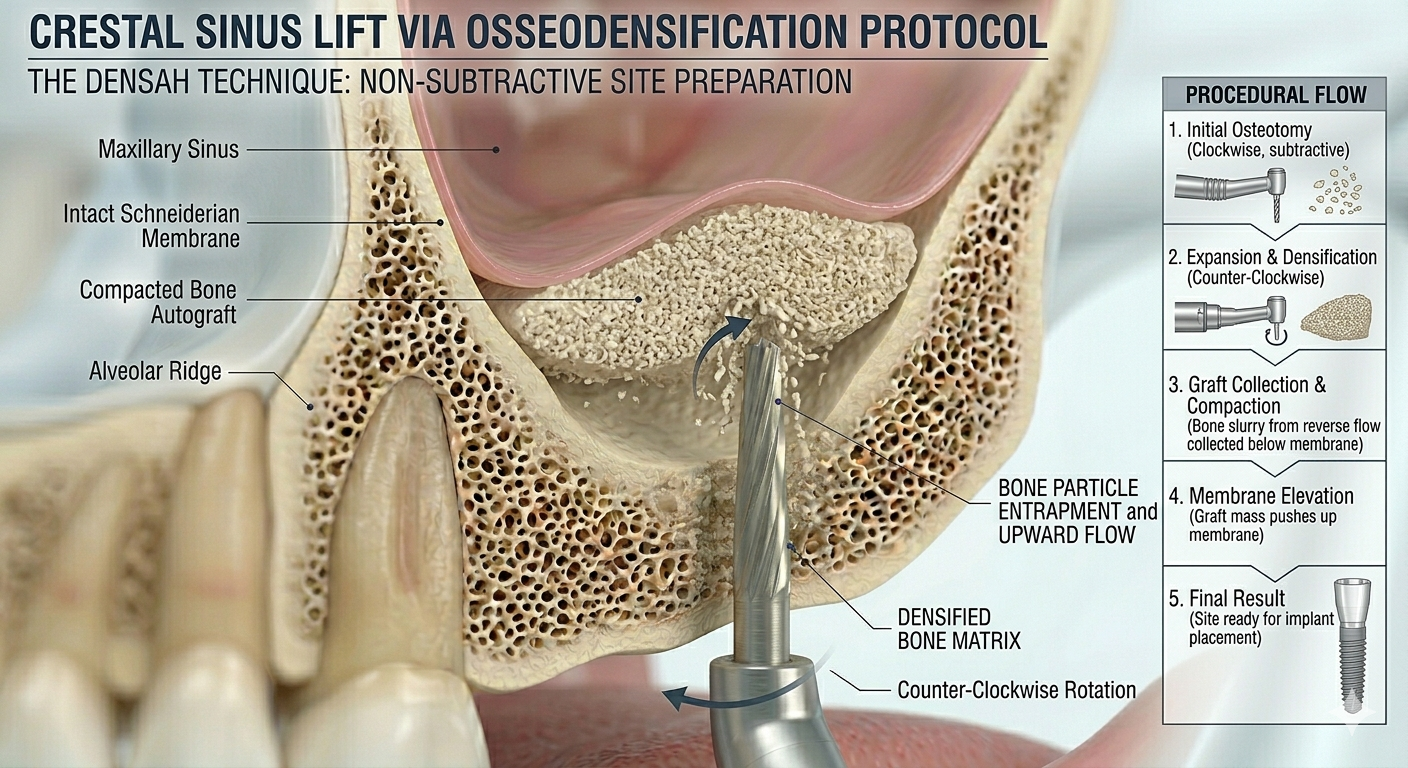
Latest Sinus Lifting Techniques in Modern Implant Dentistry
Latest Sinus Lifting Techniques in Modern Implant Dentistry A Comprehensive Clinical Review Introduction to Sinus Lifting in Implantology Sinus lifting, or maxillary sinus floor [...]
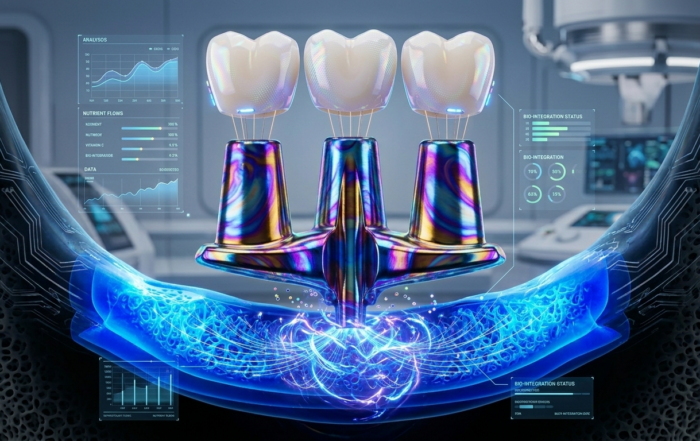
Biomechanics of the Triple Abutment & BOPiT Concept
Dental Biomechanics · Implant Science · Clinical Evidence Biomechanics of the Triple Abutment & BOPiT Concept How a saddle-shaped mathematical surface is rewriting the rules of load distribution [...]
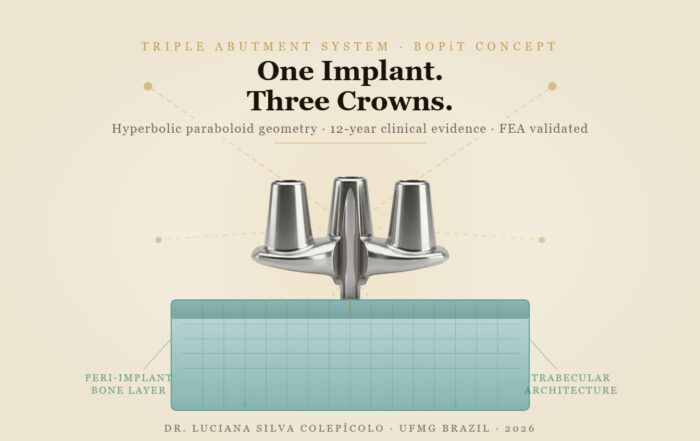
The Woman Who Proved One Implant Could Hold Three Crowns
The Woman Who Proved One Implant Could Hold Three Crowns While the dental establishment looked away, Dr. Luciana Colepícolo spent 12 years building the [...]
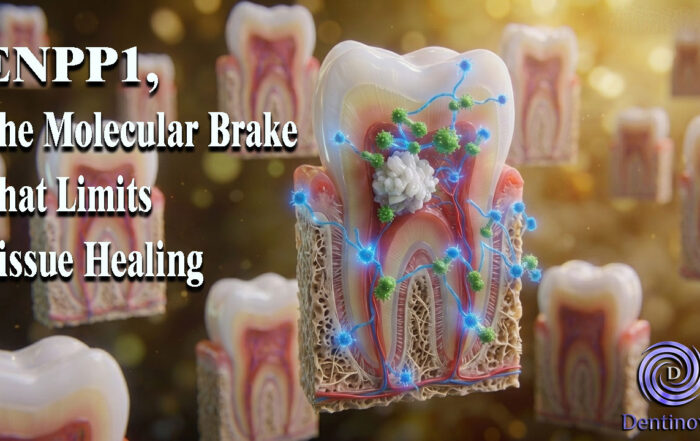
ENPP1, The Molecular Brake That Limits Tissue Healing
ENPP1, The Molecular Brake That Limits Tissue Healing Introduction: A New Biological Barrier to Dental Regeneration Meet ENPP1—a protein most dentists have never heard [...]