The Smart Dental Implants Are REAL!
What Are Smart Dental Implants ?
Smart dental implants are a major advancement in personalized dental care. By leveraging materials science, bioengineering, and digital health technologies, the University of Pennsylvania team has created a device that not only restores function but also actively supports long-term oral health. As this smart dental implant moves closer to clinical trials, it has the potential to set a new benchmark in dental care, offering patients a smarter, safer, and more efficient solution for tooth replacement. This innovation underscores the growing role of technology in transforming healthcare.
Introducing Smart Dental Implants
A team of researchers at the University of Pennsylvania, including Park M, Islam S, Kim HE, Korostoff J, Blatz MB, Hwang G, and Kim A, has developed groundbreaking smart dental implants . This innovative device merges advanced technology with dental science to enhance patient outcomes and redefine how dental implants are monitored and maintained. Unlike traditional implants, the smart dental implant offers real-time monitoring, making it a game-changer in oral health care.
Better Care By Real-Time Monitoring
Unlike smart dental implants , traditional implants require frequent check-ups to ensure proper integration and detect issues like infection or mechanical failure. The smart dental implant eliminates this limitation by incorporating microsensors that track pressure, temperature, and pH levels in the surrounding tissue. These sensors connect to a wireless module, transmitting data to a smartphone app. This allows patients and dentists to monitor the implant’s health remotely. If the smart dental implant detects signs of inflammation or infection, it alerts the user to seek care early, reducing the risk of complications like peri-implantitis.
Promoting Stronger Integration with Smart Dental Implants
One of the standout features of the smart dental implants is their ability to enhance osseointegration—the process by which the implant fuses with the jawbone. The researchers have integrated bioactive materials that stimulate bone growth, ensuring a more stable and durable implant. This feature is especially beneficial for patients with conditions like osteoporosis, where bone density can affect implant success. By combining advanced materials with smart technology, the smart dental implant offers a more reliable solution for tooth replacement. Smart Dental Implants
Check out the research paper about smart dental implants :
Human Oral Motion-Powered Smart Dental Implant (SDI) for In Situ Ambulatory Photo-biomodulation Therapy
Recent Articles















What Are Smart Dental Implants ?
Smart dental implants are a major advancement in personalized dental care. By leveraging materials science, bioengineering, and digital health technologies, the University of Pennsylvania team has created a device that not only restores function but also actively supports long-term oral health. As this smart dental implant moves closer to clinical trials, it has the potential to set a new benchmark in dental care, offering patients a smarter, safer, and more efficient solution for tooth replacement. This innovation underscores the growing role of technology in transforming healthcare.
Introducing Smart Dental Implants
A team of researchers at the University of Pennsylvania, including Park M, Islam S, Kim HE, Korostoff J, Blatz MB, Hwang G, and Kim A, has developed groundbreaking smart dental implants . This innovative device merges advanced technology with dental science to enhance patient outcomes and redefine how dental implants are monitored and maintained. Unlike traditional implants, the smart dental implant offers real-time monitoring, making it a game-changer in oral health care.
Better Care By Real-Time Monitoring
Unlike smart dental implants , traditional implants require frequent check-ups to ensure proper integration and detect issues like infection or mechanical failure. The smart dental implant eliminates this limitation by incorporating microsensors that track pressure, temperature, and pH levels in the surrounding tissue. These sensors connect to a wireless module, transmitting data to a smartphone app. This allows patients and dentists to monitor the implant’s health remotely. If the smart dental implant detects signs of inflammation or infection, it alerts the user to seek care early, reducing the risk of complications like peri-implantitis.
Promoting Stronger Integration with Smart Dental Implants
One of the standout features of the smart dental implants is their ability to enhance osseointegration—the process by which the implant fuses with the jawbone. The researchers have integrated bioactive materials that stimulate bone growth, ensuring a more stable and durable implant. This feature is especially beneficial for patients with conditions like osteoporosis, where bone density can affect implant success. By combining advanced materials with smart technology, the smart dental implant offers a more reliable solution for tooth replacement. Smart Dental Implants
Check out the research paper about smart dental implants :
Human Oral Motion-Powered Smart Dental Implant (SDI) for In Situ Ambulatory Photo-biomodulation Therapy
Recent Articles
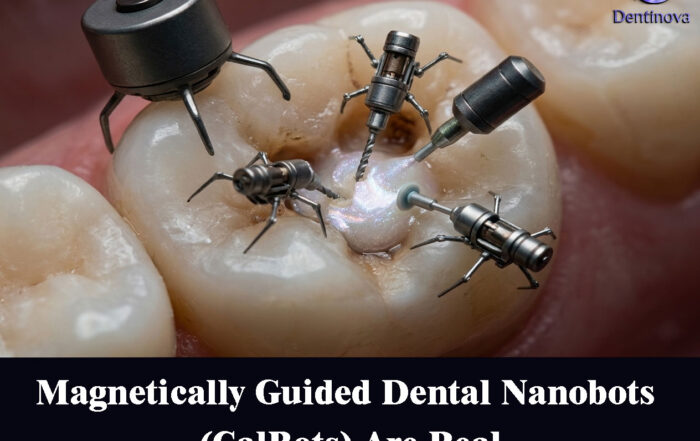
Magnetically Guided Dental Nanobots (CalBots) Are Real
Magnetically Guided Dental Nanobots (CalBots) Are Real The concept of nanobots in dentistry has long been associated with futuristic speculation. However, recent peer-reviewed research [...]
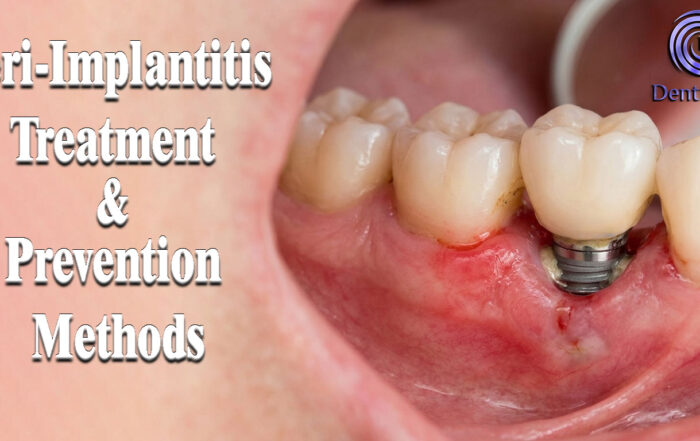
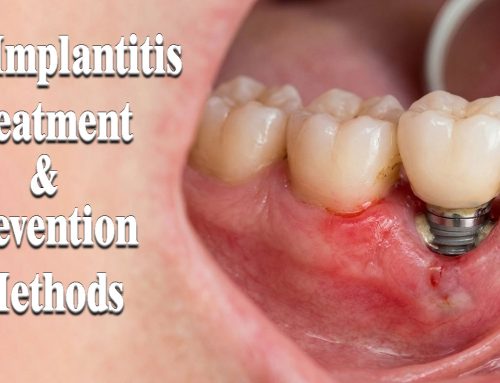
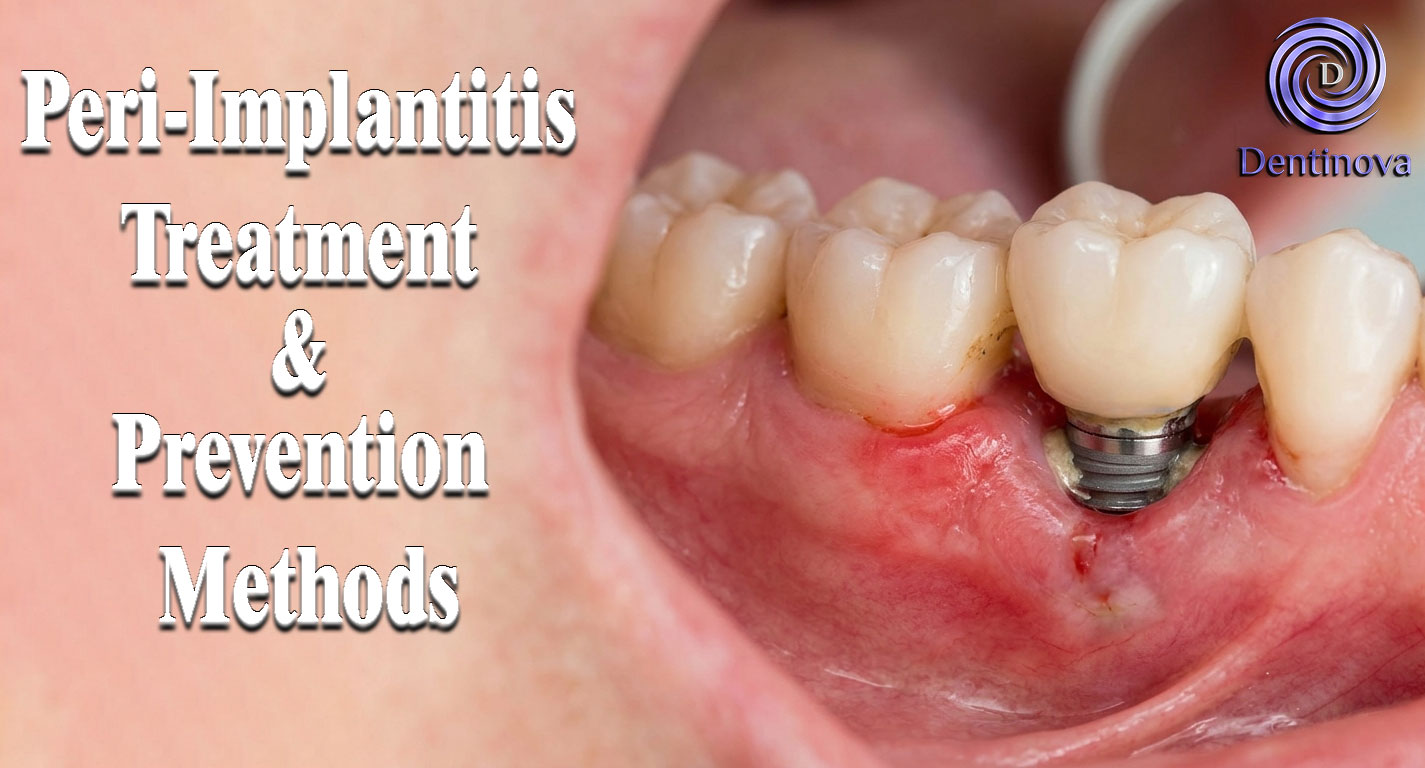
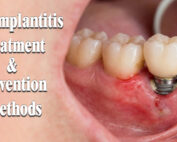
Peri-Implantitis Treatment & Prevention Methods
Peri-Implantitis Treatment & Prevention Methods Peri-implantitis remains one of the most significant biological complications affecting dental implants, posing a serious threat to long-term implant [...]
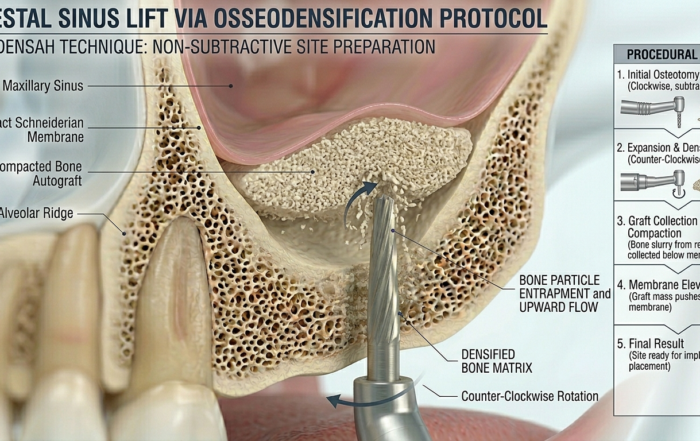
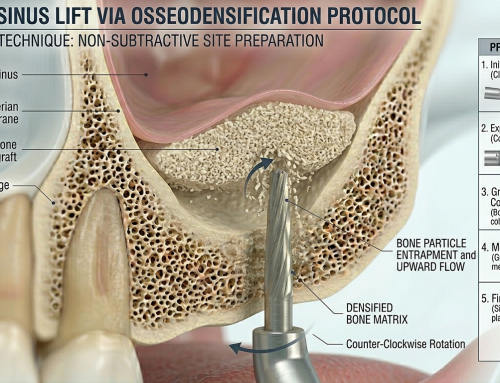
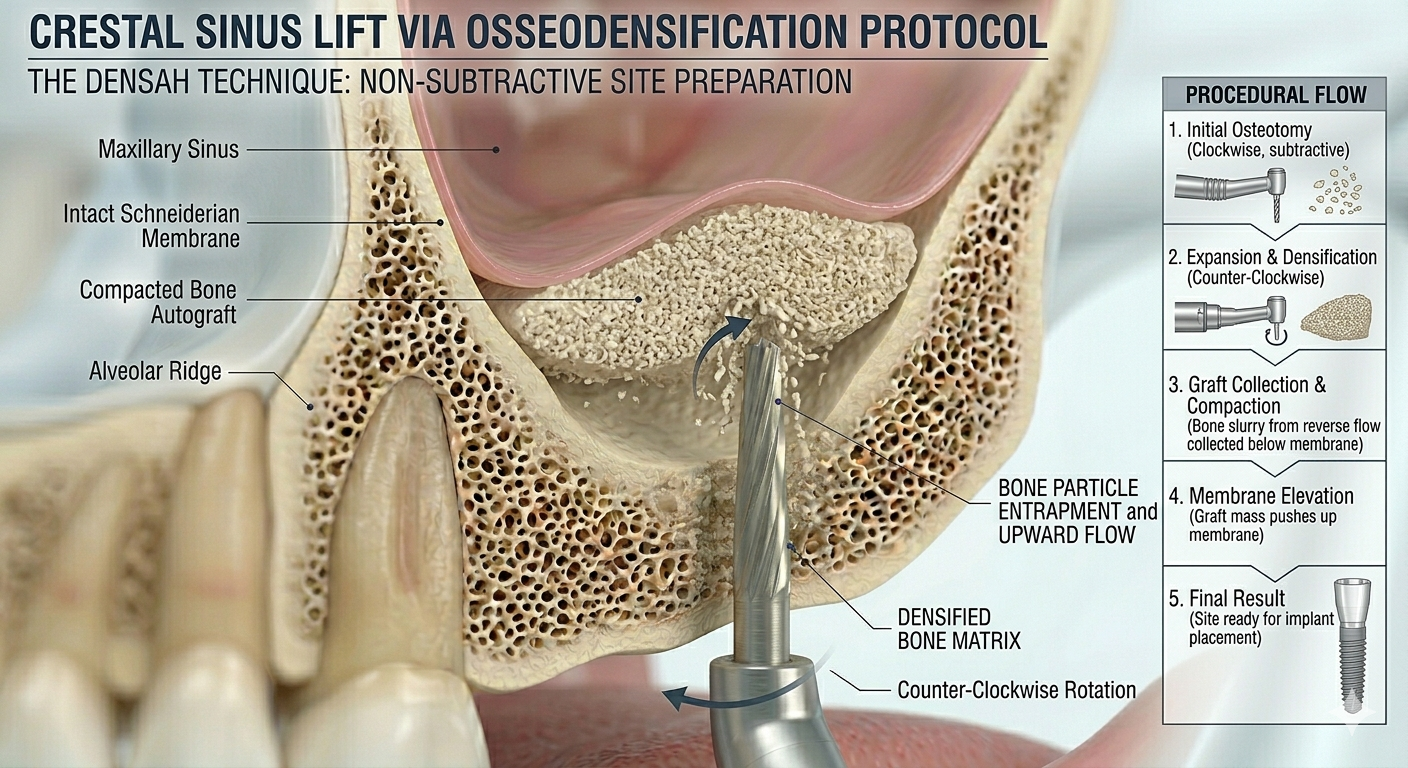
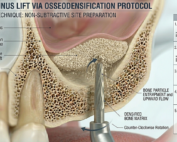
Latest Sinus Lifting Techniques in Modern Implant Dentistry
Latest Sinus Lifting Techniques in Modern Implant Dentistry A Comprehensive Clinical Review Introduction to Sinus Lifting in Implantology Sinus lifting, or maxillary sinus floor [...]
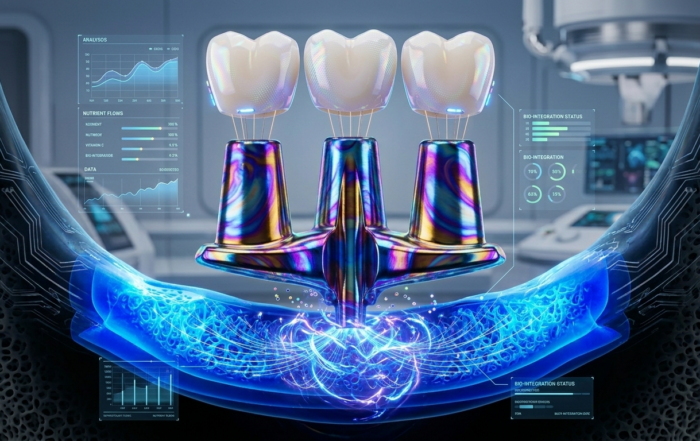
Biomechanics of the Triple Abutment & BOPiT Concept
Dental Biomechanics · Implant Science · Clinical Evidence Biomechanics of the Triple Abutment & BOPiT Concept How a saddle-shaped mathematical surface is rewriting the rules of load distribution [...]
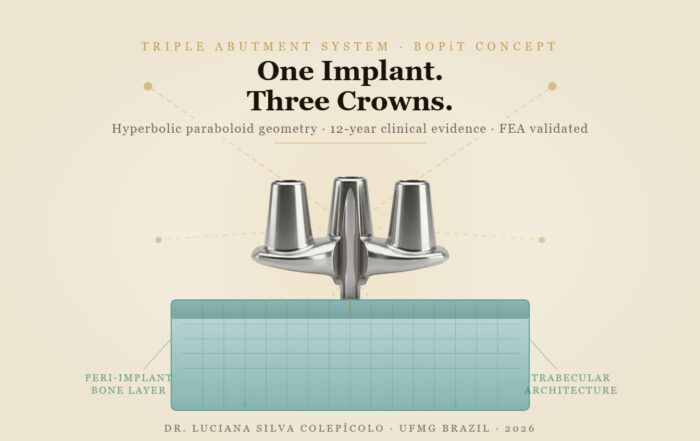
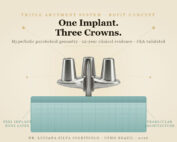
The Woman Who Proved One Implant Could Hold Three Crowns
The Woman Who Proved One Implant Could Hold Three Crowns While the dental establishment looked away, Dr. Luciana Colepícolo spent 12 years building the [...]
ENPP1, The Molecular Brake That Limits Tissue Healing
ENPP1, The Molecular Brake That Limits Tissue Healing Introduction: A New Biological Barrier to Dental Regeneration Meet ENPP1—a protein most dentists have never heard [...]