Bioengineered Antibacterial Chewing Gum Fights Oral Cancer
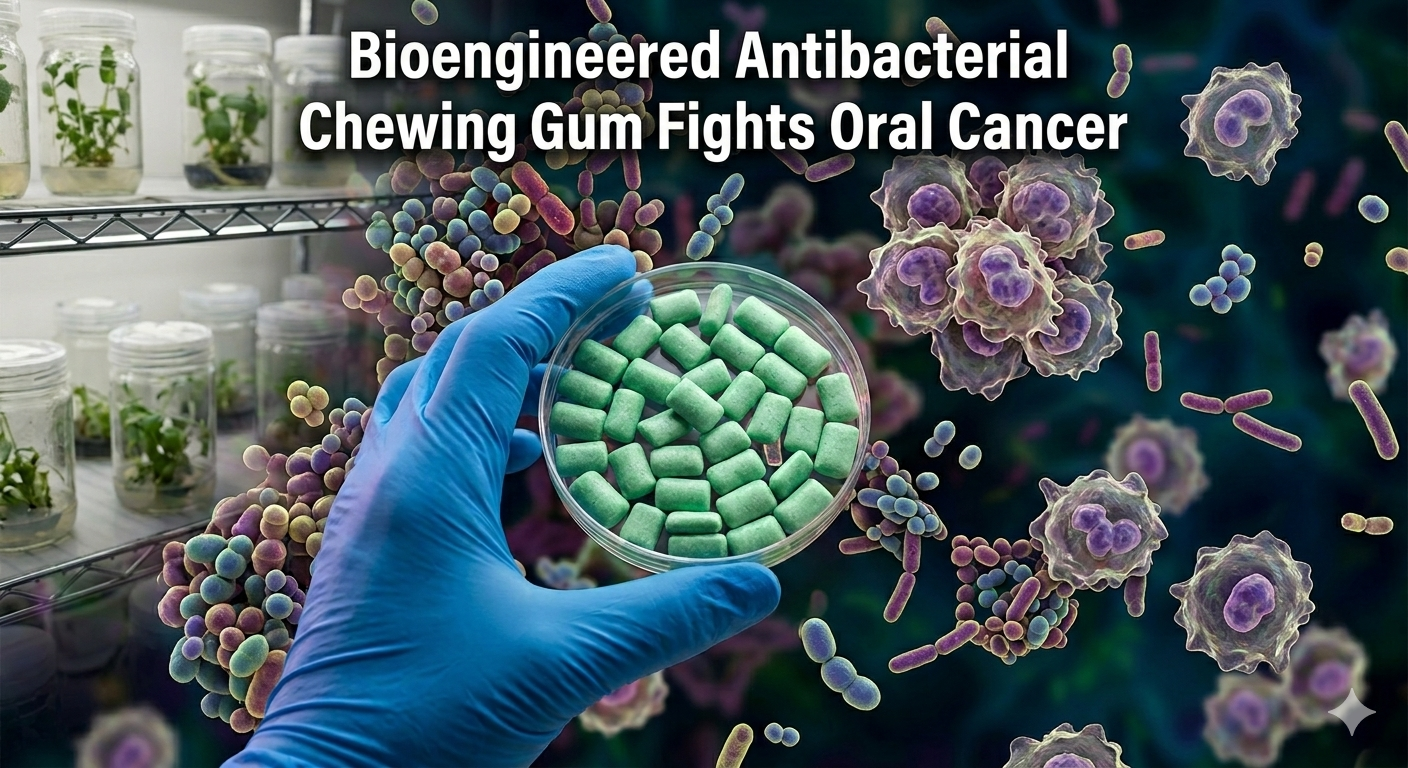
Oral cancer remains one of the most challenging diseases affecting millions of people worldwide. Despite advances in surgery, radiation therapy, and targeted treatments, survival rates for many patients with advanced oral cancers have not improved significantly over the past decades. Researchers are therefore exploring innovative ways to prevent disease progression and improve treatment outcomes. One of the most exciting recent developments is the creation of a bioengineered antibacterial chewing gum designed to combat microbes associated with oral cancer. Developed by scientists at the University of Pennsylvania School of Dental Medicine, this groundbreaking innovation has demonstrated remarkable effectiveness in reducing harmful viruses and bacteria linked to head and neck squamous cell carcinoma (HNSCC). The discovery may pave the way for affordable, non-invasive therapies that can support existing cancer treatments and potentially reduce the risk of disease development.
Understanding Oral Cancer and Its Microbial Connection
Head and neck squamous cell carcinoma (HNSCC) is one of the most common forms of oral cancer, affecting tissues lining the mouth, throat, tongue, and surrounding structures. The disease can be aggressive, particularly when diagnosed at advanced stages, often leading to significant challenges in treatment and long-term survival.
Recent scientific research has revealed that oral cancer is not solely influenced by genetic factors or lifestyle habits such as smoking and alcohol consumption. Certain microorganisms living in the oral cavity can also contribute to cancer progression and worsen treatment outcomes. Among the most concerning microbes are the Human Papillomavirus (HPV), Porphyromonas gingivalis, and Fusobacterium nucleatum.
HPV is a well-known viral infection associated with various cancers, including cancers of the oropharynx. Meanwhile, Porphyromonas gingivalis and Fusobacterium nucleatum are bacterial species commonly linked to periodontal disease but increasingly recognized for their role in promoting tumor growth, inflammation, and immune system dysfunction. Studies suggest that patients with elevated levels of these microbes often experience poorer outcomes and reduced survival rates. This growing understanding has encouraged researchers to investigate strategies that target these harmful microorganisms as part of a broader cancer prevention and management approach.
The Development of Bioengineered Antibacterial Chewing Gum
Researchers led by Professor Henry Daniell at the University of Pennsylvania developed a unique chewing gum using bioengineered lablab beans. Unlike conventional chewing gum, this innovative product serves as a delivery system for biologically active compounds capable of targeting disease-causing microbes directly within the oral cavity.
The original formulation contained a naturally occurring antiviral protein known as FRIL (Flt3 Receptor Interacting Lectin). FRIL has demonstrated powerful antiviral properties and was previously investigated for its ability to neutralize viruses within the oral environment. Building upon this success, scientists sought to determine whether the gum could be used to combat microorganisms linked to oral cancer.
The concept behind the chewing gum is simple yet highly effective. Because the oral cavity is the primary location where these harmful microbes reside, delivering therapeutic compounds through chewing gum allows prolonged contact with saliva, oral tissues, and microbial biofilms. This localized approach increases effectiveness while potentially reducing systemic side effects that are often associated with conventional drug therapies. The development represents an innovative intersection between biotechnology, dentistry, microbiology, and cancer research.
How the Chewing Gum Targets Harmful Oral Microbes
The bioengineered chewing gum works through a dual-action mechanism that targets both viral and bacterial pathogens associated with oral cancer progression. The antiviral component, FRIL, binds to viral particles and helps reduce their ability to infect host cells. This mechanism is particularly important in managing HPV infections, which are strongly associated with many cases of oropharyngeal cancer.
To enhance the gum’s antibacterial properties, researchers incorporated Protegrin-1, a potent antimicrobial peptide known for its ability to destroy harmful bacteria. Antimicrobial peptides are naturally occurring molecules that form part of the innate immune system and can rapidly disrupt bacterial cell membranes.
When released into the mouth during chewing, Protegrin-1 selectively attacks cancer-associated bacteria such as Porphyromonas gingivalis and Fusobacterium nucleatum. These microorganisms contribute to chronic inflammation, immune suppression, and an environment favorable to tumor development. By significantly reducing their populations, the chewing gum may help restore a healthier oral microbiome and reduce microbial factors that contribute to cancer progression.
The targeted nature of this approach is particularly valuable because it minimizes disruption to beneficial oral bacteria that play essential roles in maintaining oral health.
Remarkable Research Findings and Clinical Potential
The results reported by the research team were highly encouraging. Laboratory analysis of saliva and oral rinse samples collected from patients with head and neck squamous cell carcinoma demonstrated substantial reductions in harmful microbes following treatment with extracts from the bioengineered gum.
The researchers found that the gum reduced HPV levels by approximately 93% in saliva samples and by 80% in oral rinse samples. Such significant reductions indicate strong antiviral activity and suggest a potential role for the gum in reducing viral burden within the oral cavity.
Even more impressive were the findings related to bacterial pathogens. After incorporating Protegrin-1 into the gum formulation, a single treatment reduced levels of Porphyromonas gingivalis and Fusobacterium nucleatum to nearly undetectable levels. This dramatic reduction demonstrates the powerful antibacterial capabilities of the bioengineered therapy.
These findings suggest that bioengineered chewing gum may eventually serve as an adjunctive treatment alongside conventional cancer therapies or as a preventive strategy for high-risk individuals. Although further clinical trials are required before widespread adoption, the results provide a strong foundation for future research and development.
Advantages Over Traditional Oral Cancer Treatments
Traditional oral cancer treatments often involve surgery, radiation therapy, chemotherapy, or targeted immunotherapies. While these treatments can be effective, they are frequently associated with significant side effects that impact patients’ quality of life.
Radiation therapy, for example, can damage healthy oral tissues and disrupt the natural balance of the oral microbiome. Patients commonly experience dry mouth, altered taste sensation, mucositis, difficulty swallowing, and increased susceptibility to opportunistic infections such as Candida albicans.
The bioengineered chewing gum offers several potential advantages. First, it directly targets harmful microbes without harming beneficial bacterial populations. Maintaining a healthy oral microbiome is increasingly recognized as an important factor in supporting immune function and overall oral health.
Second, the therapy is non-invasive, easy to administer, and potentially cost-effective. Patients can use chewing gum without requiring specialized equipment or clinical procedures. Third, because the active compounds are delivered locally within the mouth, the risk of systemic side effects may be significantly reduced.
These advantages make bioengineered chewing gum an attractive candidate for integration into future oral cancer prevention and treatment protocols.
The Future of Bioengineered Chewing Gum in Dentistry and Oncology
The success of this bioengineered chewing gum highlights the growing potential of oral biotechnology in modern healthcare. Researchers envision future formulations capable of targeting a wide range of oral diseases, including periodontal disease, viral infections, dental caries, and even systemic conditions influenced by oral health.
As scientists continue refining antimicrobial peptides and bioengineered delivery systems, chewing gum could become a versatile platform for administering therapeutic agents directly to the oral cavity. Such technologies may offer patients convenient and affordable treatment options while improving disease prevention strategies.
For oral cancer specifically, future clinical trials will determine whether the promising laboratory results can translate into improved patient outcomes. Researchers hope that reducing cancer-associated microbes may enhance treatment responses, decrease recurrence rates, and potentially reduce the risk of disease development among susceptible individuals.
The emergence of bioengineered chewing gum represents a significant step toward precision oral medicine, where therapies are designed to target specific biological factors contributing to disease. If future studies confirm its effectiveness, this innovation could transform the way oral cancer and related conditions are managed worldwide.
Frequently Asked Questions (FAQ)
1. What is bioengineered antibacterial chewing gum?
It is a specially developed chewing gum containing antiviral proteins and antimicrobial peptides designed to reduce harmful microorganisms associated with oral cancer.
2. Which microbes does the chewing gum target?
The gum targets Human Papillomavirus (HPV), Porphyromonas gingivalis, and Fusobacterium nucleatum, all of which have been linked to oral cancer progression.
3. Can this chewing gum cure oral cancer?
No. Current research suggests it may serve as an adjunctive therapy or preventive measure. It is not currently considered a standalone cure for oral cancer.
4. How effective was the gum in research studies?
Researchers reported a 93% reduction in HPV levels in saliva and nearly complete elimination of certain cancer-associated bacteria after treatment.
5. Does it affect beneficial oral bacteria?
The study found that the chewing gum selectively targeted harmful microbes while preserving beneficial bacteria that support oral health.
6. Is the chewing gum commercially available?
At present, the technology remains in the research phase and requires further clinical trials before becoming widely available to patients.
References
- Wakade G, Singh R, Nair S, Bur AM, Thomas SM, Srivatsan ES, Wang MB, Basak SK, Daniell H. Bioengineered chewing gum reduces oral pathogens associated with head and neck squamous cell carcinoma. Scientific Reports. 2026.
- Daniell H, et al. University of Pennsylvania School of Dental Medicine. Research on antiviral and antibacterial bioengineered chewing gum targeting HPV, Porphyromonas gingivalis, and Fusobacterium nucleatum in oral cancer patients.
Recent Articles











Oral cancer remains one of the most challenging diseases affecting millions of people worldwide. Despite advances in surgery, radiation therapy, and targeted treatments, survival rates for many patients with advanced oral cancers have not improved significantly over the past decades. Researchers are therefore exploring innovative ways to prevent disease progression and improve treatment outcomes. One of the most exciting recent developments is the creation of a bioengineered antibacterial chewing gum designed to combat microbes associated with oral cancer. Developed by scientists at the University of Pennsylvania School of Dental Medicine, this groundbreaking innovation has demonstrated remarkable effectiveness in reducing harmful viruses and bacteria linked to head and neck squamous cell carcinoma (HNSCC). The discovery may pave the way for affordable, non-invasive therapies that can support existing cancer treatments and potentially reduce the risk of disease development.
Understanding Oral Cancer and Its Microbial Connection
Head and neck squamous cell carcinoma (HNSCC) is one of the most common forms of oral cancer, affecting tissues lining the mouth, throat, tongue, and surrounding structures. The disease can be aggressive, particularly when diagnosed at advanced stages, often leading to significant challenges in treatment and long-term survival.
Recent scientific research has revealed that oral cancer is not solely influenced by genetic factors or lifestyle habits such as smoking and alcohol consumption. Certain microorganisms living in the oral cavity can also contribute to cancer progression and worsen treatment outcomes. Among the most concerning microbes are the Human Papillomavirus (HPV), Porphyromonas gingivalis, and Fusobacterium nucleatum.
HPV is a well-known viral infection associated with various cancers, including cancers of the oropharynx. Meanwhile, Porphyromonas gingivalis and Fusobacterium nucleatum are bacterial species commonly linked to periodontal disease but increasingly recognized for their role in promoting tumor growth, inflammation, and immune system dysfunction. Studies suggest that patients with elevated levels of these microbes often experience poorer outcomes and reduced survival rates. This growing understanding has encouraged researchers to investigate strategies that target these harmful microorganisms as part of a broader cancer prevention and management approach.
The Development of Bioengineered Antibacterial Chewing Gum
Researchers led by Professor Henry Daniell at the University of Pennsylvania developed a unique chewing gum using bioengineered lablab beans. Unlike conventional chewing gum, this innovative product serves as a delivery system for biologically active compounds capable of targeting disease-causing microbes directly within the oral cavity.
The original formulation contained a naturally occurring antiviral protein known as FRIL (Flt3 Receptor Interacting Lectin). FRIL has demonstrated powerful antiviral properties and was previously investigated for its ability to neutralize viruses within the oral environment. Building upon this success, scientists sought to determine whether the gum could be used to combat microorganisms linked to oral cancer.
The concept behind the chewing gum is simple yet highly effective. Because the oral cavity is the primary location where these harmful microbes reside, delivering therapeutic compounds through chewing gum allows prolonged contact with saliva, oral tissues, and microbial biofilms. This localized approach increases effectiveness while potentially reducing systemic side effects that are often associated with conventional drug therapies. The development represents an innovative intersection between biotechnology, dentistry, microbiology, and cancer research.
How the Chewing Gum Targets Harmful Oral Microbes
The bioengineered chewing gum works through a dual-action mechanism that targets both viral and bacterial pathogens associated with oral cancer progression. The antiviral component, FRIL, binds to viral particles and helps reduce their ability to infect host cells. This mechanism is particularly important in managing HPV infections, which are strongly associated with many cases of oropharyngeal cancer.
To enhance the gum’s antibacterial properties, researchers incorporated Protegrin-1, a potent antimicrobial peptide known for its ability to destroy harmful bacteria. Antimicrobial peptides are naturally occurring molecules that form part of the innate immune system and can rapidly disrupt bacterial cell membranes.
When released into the mouth during chewing, Protegrin-1 selectively attacks cancer-associated bacteria such as Porphyromonas gingivalis and Fusobacterium nucleatum. These microorganisms contribute to chronic inflammation, immune suppression, and an environment favorable to tumor development. By significantly reducing their populations, the chewing gum may help restore a healthier oral microbiome and reduce microbial factors that contribute to cancer progression.
The targeted nature of this approach is particularly valuable because it minimizes disruption to beneficial oral bacteria that play essential roles in maintaining oral health.
Remarkable Research Findings and Clinical Potential
The results reported by the research team were highly encouraging. Laboratory analysis of saliva and oral rinse samples collected from patients with head and neck squamous cell carcinoma demonstrated substantial reductions in harmful microbes following treatment with extracts from the bioengineered gum.
The researchers found that the gum reduced HPV levels by approximately 93% in saliva samples and by 80% in oral rinse samples. Such significant reductions indicate strong antiviral activity and suggest a potential role for the gum in reducing viral burden within the oral cavity.
Even more impressive were the findings related to bacterial pathogens. After incorporating Protegrin-1 into the gum formulation, a single treatment reduced levels of Porphyromonas gingivalis and Fusobacterium nucleatum to nearly undetectable levels. This dramatic reduction demonstrates the powerful antibacterial capabilities of the bioengineered therapy.
These findings suggest that bioengineered chewing gum may eventually serve as an adjunctive treatment alongside conventional cancer therapies or as a preventive strategy for high-risk individuals. Although further clinical trials are required before widespread adoption, the results provide a strong foundation for future research and development.
Advantages Over Traditional Oral Cancer Treatments
Traditional oral cancer treatments often involve surgery, radiation therapy, chemotherapy, or targeted immunotherapies. While these treatments can be effective, they are frequently associated with significant side effects that impact patients’ quality of life.
Radiation therapy, for example, can damage healthy oral tissues and disrupt the natural balance of the oral microbiome. Patients commonly experience dry mouth, altered taste sensation, mucositis, difficulty swallowing, and increased susceptibility to opportunistic infections such as Candida albicans.
The bioengineered chewing gum offers several potential advantages. First, it directly targets harmful microbes without harming beneficial bacterial populations. Maintaining a healthy oral microbiome is increasingly recognized as an important factor in supporting immune function and overall oral health.
Second, the therapy is non-invasive, easy to administer, and potentially cost-effective. Patients can use chewing gum without requiring specialized equipment or clinical procedures. Third, because the active compounds are delivered locally within the mouth, the risk of systemic side effects may be significantly reduced.
These advantages make bioengineered chewing gum an attractive candidate for integration into future oral cancer prevention and treatment protocols.
The Future of Bioengineered Chewing Gum in Dentistry and Oncology
The success of this bioengineered chewing gum highlights the growing potential of oral biotechnology in modern healthcare. Researchers envision future formulations capable of targeting a wide range of oral diseases, including periodontal disease, viral infections, dental caries, and even systemic conditions influenced by oral health.
As scientists continue refining antimicrobial peptides and bioengineered delivery systems, chewing gum could become a versatile platform for administering therapeutic agents directly to the oral cavity. Such technologies may offer patients convenient and affordable treatment options while improving disease prevention strategies.
For oral cancer specifically, future clinical trials will determine whether the promising laboratory results can translate into improved patient outcomes. Researchers hope that reducing cancer-associated microbes may enhance treatment responses, decrease recurrence rates, and potentially reduce the risk of disease development among susceptible individuals.
The emergence of bioengineered chewing gum represents a significant step toward precision oral medicine, where therapies are designed to target specific biological factors contributing to disease. If future studies confirm its effectiveness, this innovation could transform the way oral cancer and related conditions are managed worldwide.
Frequently Asked Questions (FAQ)
1. What is bioengineered antibacterial chewing gum?
It is a specially developed chewing gum containing antiviral proteins and antimicrobial peptides designed to reduce harmful microorganisms associated with oral cancer.
2. Which microbes does the chewing gum target?
The gum targets Human Papillomavirus (HPV), Porphyromonas gingivalis, and Fusobacterium nucleatum, all of which have been linked to oral cancer progression.
3. Can this chewing gum cure oral cancer?
No. Current research suggests it may serve as an adjunctive therapy or preventive measure. It is not currently considered a standalone cure for oral cancer.
4. How effective was the gum in research studies?
Researchers reported a 93% reduction in HPV levels in saliva and nearly complete elimination of certain cancer-associated bacteria after treatment.
5. Does it affect beneficial oral bacteria?
The study found that the chewing gum selectively targeted harmful microbes while preserving beneficial bacteria that support oral health.
6. Is the chewing gum commercially available?
At present, the technology remains in the research phase and requires further clinical trials before becoming widely available to patients.
References
- Wakade G, Singh R, Nair S, Bur AM, Thomas SM, Srivatsan ES, Wang MB, Basak SK, Daniell H. Bioengineered chewing gum reduces oral pathogens associated with head and neck squamous cell carcinoma. Scientific Reports. 2026.
- Daniell H, et al. University of Pennsylvania School of Dental Medicine. Research on antiviral and antibacterial bioengineered chewing gum targeting HPV, Porphyromonas gingivalis, and Fusobacterium nucleatum in oral cancer patients.
Recent Articles
When “Perfectly Tight” Dental Implants Fail
When “Perfectly Tight” Dental Implants Fail The Hidden Role of Ischemic Bone Resorption and Osteoimmune Dysfunction In modern dental implantology, achieving high primary [...]
The Bicuspidization Protocol: Engineering Meets Survival
The Bicuspidization Protocol: Engineering Meets Survival Modern restorative dentistry is no longer limited to extraction and replacement. In the era of conservative and biologically [...]
Pulsed Electromagnetic Field (PEMF) Use in Implant Dentistry
Pulsed Electromagnetic Field (PEMF) Use in Implant Dentistry Abstract and Historical Background Pulsed Electromagnetic Field (PEMF) therapy refers to the application of low-frequency electromagnetic [...]
Laser Therapy in the Management of Peri-Implantitis
Laser Therapy in the Management of Peri-Implantitis Laser technology has become an increasingly valuable adjunct in the treatment of peri-implant diseases, particularly peri-implantitis. Its [...]
Magnetically Guided Dental Nanobots (CalBots) Are Real
Magnetically Guided Dental Nanobots (CalBots) Are Real The concept of nanobots in dentistry has long been associated with futuristic speculation. However, recent peer-reviewed research [...]
Peri-Implantitis Treatment & Prevention Methods
Peri-Implantitis Treatment & Prevention Methods Peri-implantitis remains one of the most significant biological complications affecting dental implants, posing a serious threat to long-term implant [...]