Ten-second Technique in Managing Peri-implant Diseases
Dental implants have revolutionized how we restore missing teeth, but they come with their own set of challenges. One of the biggest hurdles for young dental surgeons entering practice is peri-implant disease. Managing these infections can be tricky, but a new approach, “the Ten-Second Technique (TST)” is showing promising results. The best part? It’s simple, fast, and patient-friendly.
Let’s explore how you can use this innovative method to improve implant outcomes and make your daily clinical practice smoother.
Understanding Peri-implant Disease Before Using the Ten Second Technique (TST)
Before diving into the Ten Second Technique, it’s important to understand what we’re up against. Peri-implant disease comes in two main forms:
Peri-implant mucositis: inflammation of the soft tissues around the implant, but without bone loss.
Peri-implantitis: more severe, involving both soft tissue inflammation and progressive bone resorption.
Research shows that nearly 40% of implant patients may develop mucositis, and up to 16% can progress to peri-implantitis if left untreated. Risk factors include poor oral hygiene, smoking, a history of periodontitis, diabetes, and even genetic predisposition.
For new dental surgeons, this means one thing: prevention and early intervention are everything. And that’s exactly where the Ten Second Technique shines.
Managing Peri-implant Disease Using the Ten-Second Technique: What Is It?
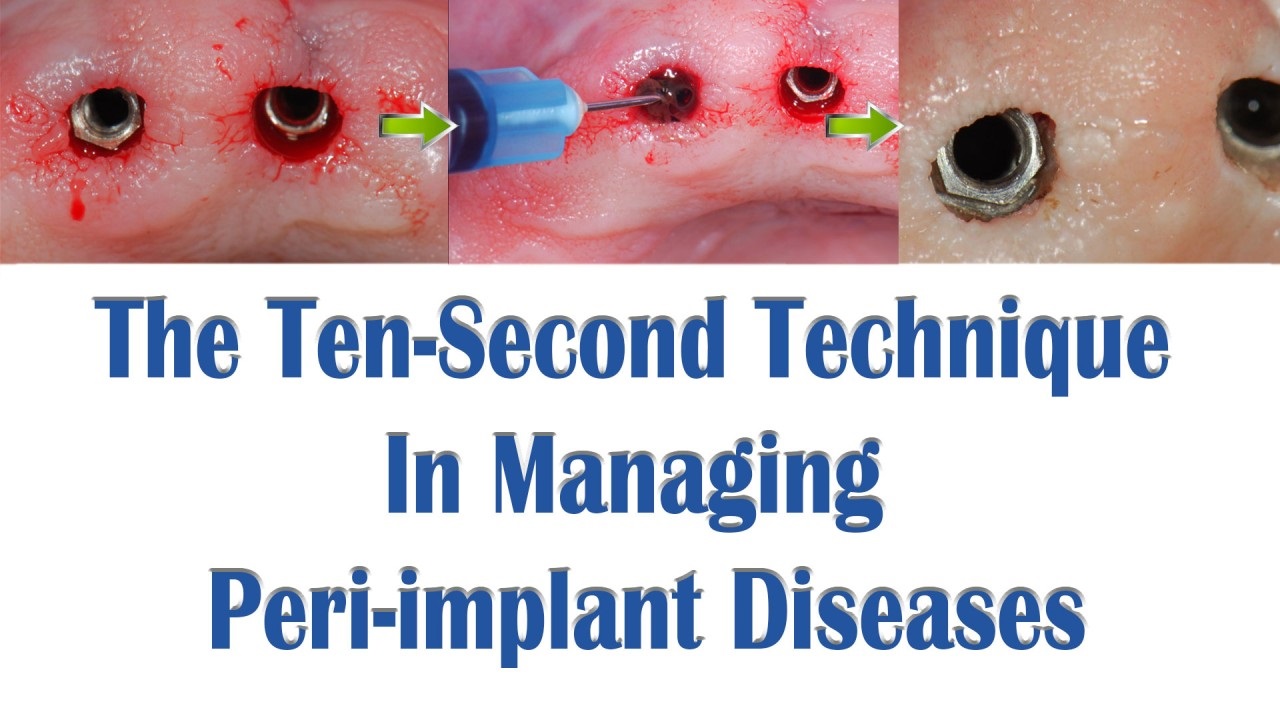
The Ten Second Technique (TST) is a two-step method designed for quick and effective decontamination of implant surfaces. Here’s the simple breakdown:
Apply Hybenx® gel directly on the contaminated implant surface for exactly 10 seconds.
Air polish with sodium bicarbonate powder and water spray, which removes debris and biofilm completely.
Think of it as a chemical-mechanical tag team. The Hybenx® gel breaks down the biofilm matrix, and the air-polishing step lifts away the debris. The whole process takes less than a minute, with the active decontamination lasting just 10 seconds.
Why Managing Peri-implant Disease Using the Ten Second Technique Is a Game-Changer
Traditional methods of treating peri-implantitis often require lengthy chair time, surgical interventions, or even risk damaging delicate peri-implant tissues. Implantoplasty, for example, can leave titanium debris and weaken implant strength.
The Ten Second Technique brings several advantages for you as a new dental surgeon:
Speed: only 10 seconds of gel application.
Safety: minimal risk of soft tissue injury compared to aggressive mechanical methods.
Effectiveness: SEM and EDX analyses from the study show almost complete biofilm removal without damaging implant surfaces.
Patient comfort: less invasive, faster, and easier to tolerate.
In other words, this technique is not just effective—it’s also a huge time-saver in busy clinics.
Step-by-Step Guide to Managing Peri-implant Disease Using the Ten-Second Technique
Here’s how you can apply the TST in practice:
Initial Debridement – Use ultrasonic inserts to remove any macroscopic debris.
Hybenx® Gel Application – Apply a thin layer for exactly 10 seconds. This step uses desiccation shock to collapse and detach biofilms.
Air Polishing – Rinse with sodium bicarbonate powder spray for 30 seconds. The reaction creates a foamy effect that carries away biofilm remnants.
Final Rinse – Flush thoroughly with water for 1–2 minutes until the surface looks visually clean.
💡 Pro Tip for New Surgeons: Always protect surrounding soft tissues with a periosteal elevator during surgery, or use gentle suction in non-surgical cases to avoid air emphysema.
Clinical Outcomes: Managing Peri-implant Disease Using the Ten-Second Technique Works
So, does it actually work? According to the study, the answer is a solid yes.
SEM images showed that contaminated implants were completely debrided after the TST.
No scratches or surface damage were observed.
Radiographic follow-ups of a clinical case showed bone healing and re-osseointegration even 5 years after treatment.
For new dental surgeons, this means you can adopt a scientifically validated technique with confidence, knowing it holds up both in vitro and clinically.
Safety Considerations When Managing Peri-implant Disease Using the Ten-Second Technique
Like any dental technique, the Ten Second Technique comes with precautions:
Always control the airflow direction—keep it perpendicular to the implant surface.
Protect delicate soft tissues to avoid trauma.
Be aware that minimal by-products (mainly sodium sulfate) are produced, but these are safe and routinely used in foods, cosmetics, and even colonoscopy preps.
Compared to antibiotics, lasers, or implantoplasty, the risk profile is much lower.
Why Every Young Surgeon Should Learn to Manage Peri-implant Disease Using the Ten-Second Technique
As a newly appointed dental surgeon, building confidence in handling complications is crucial. The Ten Second Technique offers a reliable, efficient, and patient-friendly solution to one of implantology’s most persistent problems.
It’s easy to master.
It saves chair time.
It supports long-term implant success.
Think of it as adding a power tool to your surgical toolbox—one that helps you stand out as a clinician who embraces innovative, evidence-based care.
Final Thoughts
Managing peri-implant disease using the Ten Second Technique is not just a clever protocol—it’s a practical shift in how we approach implant maintenance and disease control. For new dental surgeons, it provides a blend of science, simplicity, and patient comfort that traditional methods often lack.
With growing implant cases worldwide, you’ll encounter peri-implant disease often. Having the Ten Second Technique in your arsenal means you can face these challenges with confidence, efficiency, and clinical success.
So next time you face a struggling implant, remember: sometimes all it takes is ten seconds to make a lasting difference.








Dental implants have revolutionized how we restore missing teeth, but they come with their own set of challenges. One of the biggest hurdles for young dental surgeons entering practice is peri-implant disease. Managing these infections can be tricky, but a new approach, “the Ten Second Technique (TST)” is showing promising results. The best part? It’s simple, fast, and patient-friendly.
Let’s explore how you can use this innovative method to improve implant outcomes and make your daily clinical practice smoother.
Understanding Peri-implant Disease Before Using the Ten Second Technique (TST)
Before diving into the Ten Second Technique, it’s important to understand what we’re up against. Peri-implant disease comes in two main forms:
Peri-implant mucositis: inflammation of the soft tissues around the implant, but without bone loss.
Peri-implantitis: more severe, involving both soft tissue inflammation and progressive bone resorption.
Research shows that nearly 40% of implant patients may develop mucositis, and up to 16% can progress to peri-implantitis if left untreated. Risk factors include poor oral hygiene, smoking, a history of periodontitis, diabetes, and even genetic predisposition.
For new dental surgeons, this means one thing: prevention and early intervention are everything. And that’s exactly where the Ten Second Technique shines.
Managing Peri-implant Disease Using the Ten-Second Technique: What Is It?
The Ten Second Technique (TST) is a two-step method designed for quick and effective decontamination of implant surfaces. Here’s the simple breakdown:
Apply Hybenx® gel directly on the contaminated implant surface for exactly 10 seconds.
Air polish with sodium bicarbonate powder and water spray, which removes debris and biofilm completely.
Think of it as a chemical-mechanical tag team. The Hybenx® gel breaks down the biofilm matrix, and the air-polishing step lifts away the debris. The whole process takes less than a minute, with the active decontamination lasting just 10 seconds.
Why Managing Peri-implant Disease Using the Ten Second Technique Is a Game-Changer
Traditional methods of treating peri-implantitis often require lengthy chair time, surgical interventions, or even risk damaging delicate peri-implant tissues. Implantoplasty, for example, can leave titanium debris and weaken implant strength.
The Ten Second Technique brings several advantages for you as a new dental surgeon:
Speed: only 10 seconds of gel application.
Safety: minimal risk of soft tissue injury compared to aggressive mechanical methods.
Effectiveness: SEM and EDX analyses from the study show almost complete biofilm removal without damaging implant surfaces.
Patient comfort: less invasive, faster, and easier to tolerate.
In other words, this technique is not just effective—it’s also a huge time-saver in busy clinics.
Step-by-Step Guide to Managing Peri-implant Disease Using the Ten-Second Technique
Here’s how you can apply the TST in practice:
Initial Debridement – Use ultrasonic inserts to remove any macroscopic debris.
Hybenx® Gel Application – Apply a thin layer for exactly 10 seconds. This step uses desiccation shock to collapse and detach biofilms.
Air Polishing – Rinse with sodium bicarbonate powder spray for 30 seconds. The reaction creates a foamy effect that carries away biofilm remnants.
Final Rinse – Flush thoroughly with water for 1–2 minutes until the surface looks visually clean.
💡 Pro Tip for New Surgeons: Always protect surrounding soft tissues with a periosteal elevator during surgery, or use gentle suction in non-surgical cases to avoid air emphysema.
Clinical Outcomes: Managing Peri-implant Disease Using the Ten-Second Technique Works
So, does it actually work? According to the study, the answer is a solid yes.
SEM images showed that contaminated implants were completely debrided after the TST.
No scratches or surface damage were observed.
Radiographic follow-ups of a clinical case showed bone healing and re-osseointegration even 5 years after treatment.
For new dental surgeons, this means you can adopt a scientifically validated technique with confidence, knowing it holds up both in vitro and clinically.
Safety Considerations When Managing Peri-implant Disease Using the Ten-Second Technique
Like any dental technique, the Ten Second Technique comes with precautions:
Always control the airflow direction—keep it perpendicular to the implant surface.
Protect delicate soft tissues to avoid trauma.
Be aware that minimal by-products (mainly sodium sulfate) are produced, but these are safe and routinely used in foods, cosmetics, and even colonoscopy preps.
Compared to antibiotics, lasers, or implantoplasty, the risk profile is much lower.
Why Every Young Surgeon Should Learn to Manage Peri-implant Disease Using the Ten-Second Technique
As a newly appointed dental surgeon, building confidence in handling complications is crucial. The Ten Second Technique offers a reliable, efficient, and patient-friendly solution to one of implantology’s most persistent problems.
It’s easy to master.
It saves chair time.
It supports long-term implant success.
Think of it as adding a power tool to your surgical toolbox—one that helps you stand out as a clinician who embraces innovative, evidence-based care.
Final Thoughts
Managing peri-implant disease using the Ten Second Technique is not just a clever protocol—it’s a practical shift in how we approach implant maintenance and disease control. For new dental surgeons, it provides a blend of science, simplicity, and patient comfort that traditional methods often lack.
With growing implant cases worldwide, you’ll encounter peri-implant disease often. Having the Ten Second Technique in your arsenal means you can face these challenges with confidence, efficiency, and clinical success.
So next time you face a struggling implant, remember: sometimes all it takes is ten seconds to make a lasting difference.
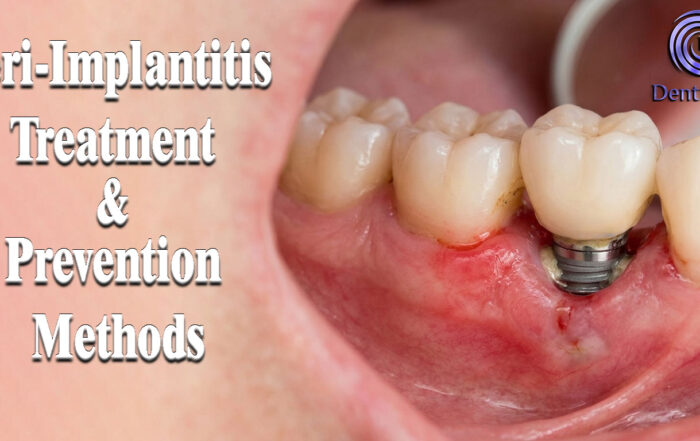
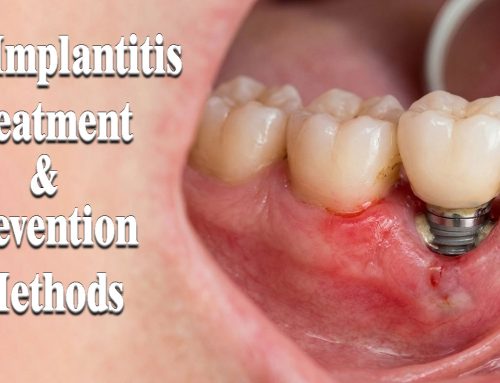
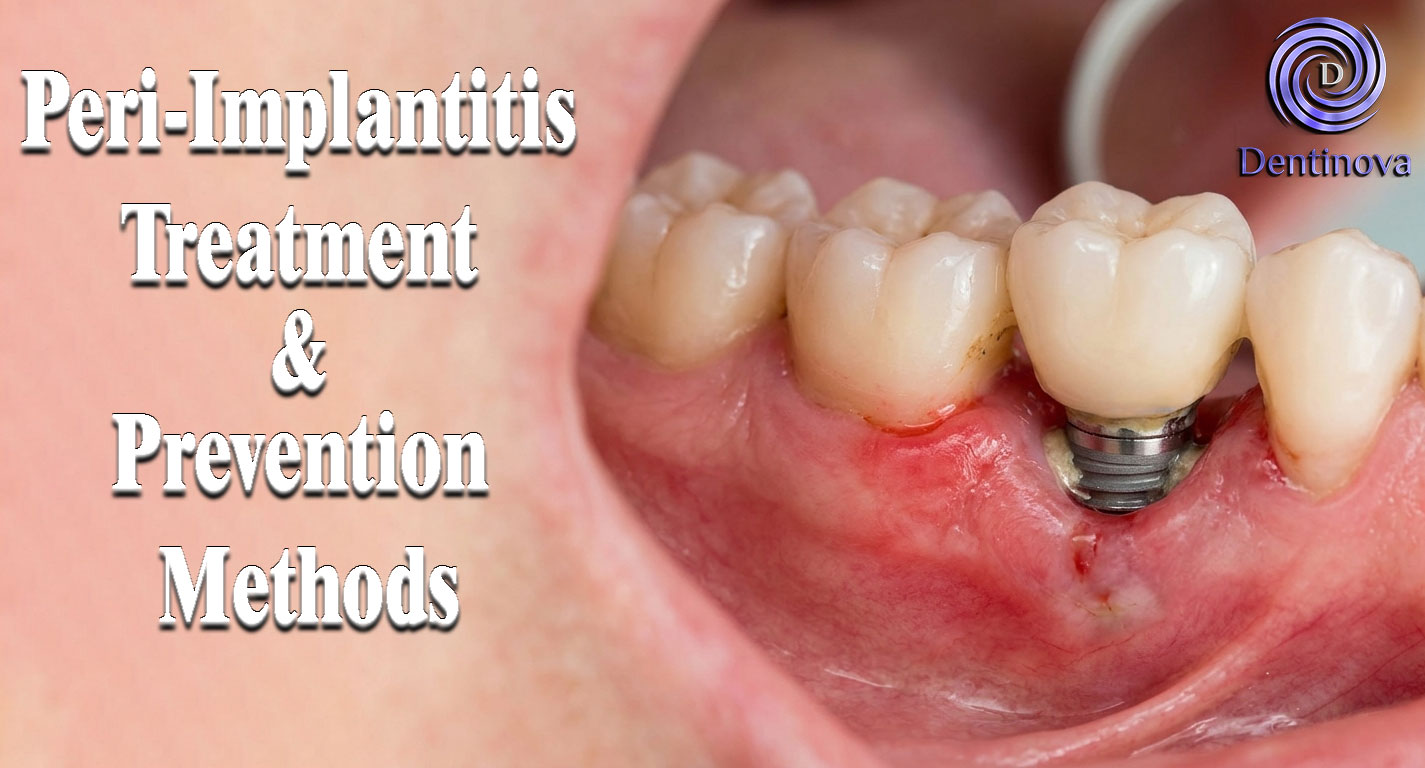
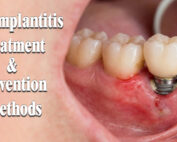
Peri-Implantitis Treatment & Prevention Methods
Peri-Implantitis Treatment & Prevention Methods Peri-implantitis remains one of the most significant biological complications affecting dental implants, posing a serious threat to long-term implant [...]
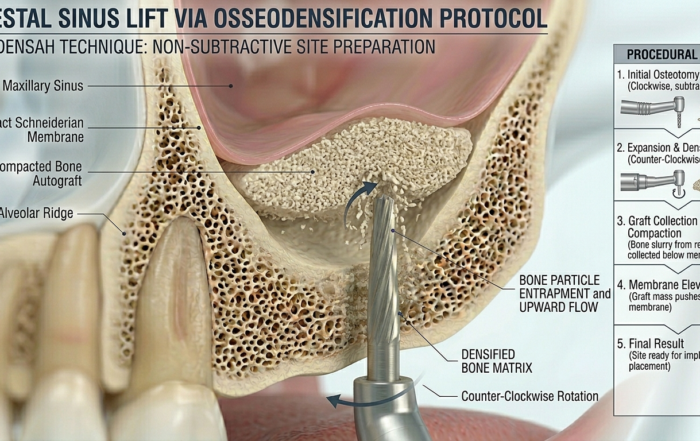
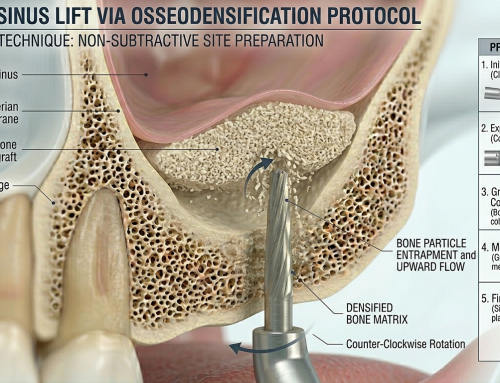
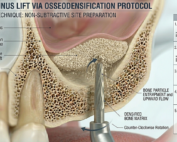
Latest Sinus Lifting Techniques in Modern Implant Dentistry
Latest Sinus Lifting Techniques in Modern Implant Dentistry A Comprehensive Clinical Review Introduction to Sinus Lifting in Implantology Sinus lifting, or maxillary sinus floor [...]
Biomechanics of the Triple Abutment & BOPiT Concept
Dental Biomechanics · Implant Science · Clinical Evidence Biomechanics of the Triple Abutment & BOPiT Concept How a saddle-shaped mathematical surface is rewriting the rules of load distribution [...]
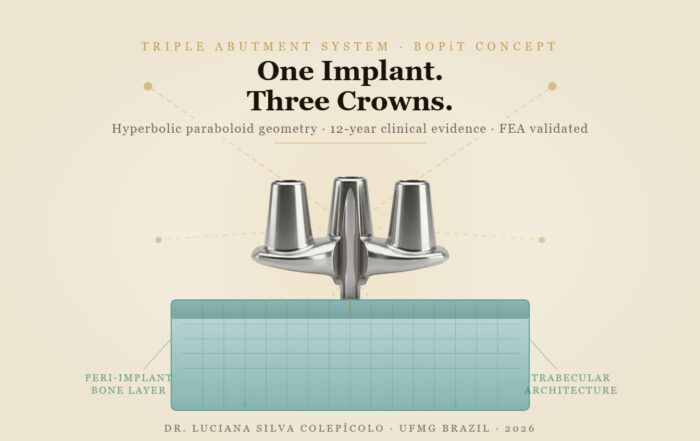
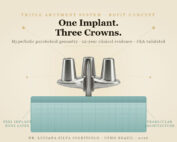
The Woman Who Proved One Implant Could Hold Three Crowns
The Woman Who Proved One Implant Could Hold Three Crowns While the dental establishment looked away, Dr. Luciana Colepícolo spent 12 years building the [...]
ENPP1, The Molecular Brake That Limits Tissue Healing
ENPP1, The Molecular Brake That Limits Tissue Healing Introduction: A New Biological Barrier to Dental Regeneration Meet ENPP1—a protein most dentists have never heard [...]
The Rise of Self‑Healing Dental Biomaterials
The Rise of Self‑Healing Dental Biomaterials Introduction In modern restorative dentistry, durability and longevity of materials remain among the greatest clinical challenges. Traditional dental [...]