Stem Cells from Wisdom Teeth Could Revolutionize Medicine
Stem Cells from Wisdom Teeth Could Revolutionize Medicine
Stem Cells from Wisdom Teeth Could Revolutionize Medicine
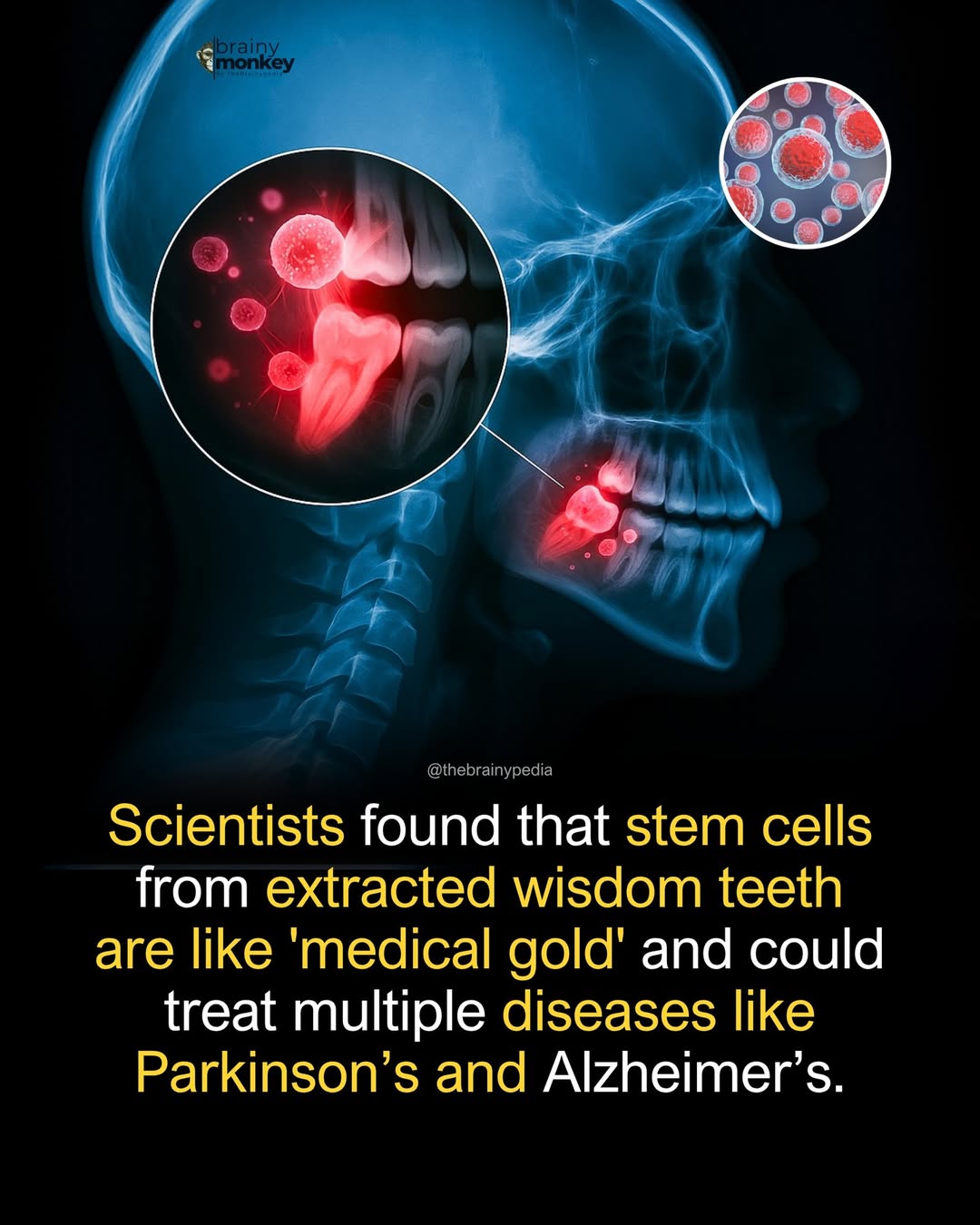
Approximately 10 million wisdom teeth are removed every year in the United States. This is equivalent to around 5 million people undergoing wisdom tooth extraction annually, as most people have four wisdom teeth. Hidden inside every extracted wisdom tooth lies a soft tissue treasure trove known as dental pulp. This inner core is rich in special cells called dental pulp stem cells (DPSCs). These stem cells have sparked excitement among scientists worldwide because of their ability to transform into different types of tissue, including nerve cells, bone, cartilage, and even heart muscle.
Researchers are now exploring how these cells could change the future of medicine. And what’s most fascinating? These cells come from something most people throw away without a second thought.
The Hidden Power Inside Your Wisdom Teeth
It turns out that wisdom teeth, often blamed for pain and swelling, actually hide remarkable potential. DPSCs belong to a family of stem cells known as mesenchymal stem cells, similar to those found in bone marrow. But unlike bone marrow stem cells, which require invasive procedures to harvest, DPSCs are easily collected from teeth that would otherwise end up as medical waste.
This advantage is significant. Using cells that would normally be discarded means fewer ethical concerns and a readily available source of regenerative potential. It’s like discovering treasure in your trash bin.
From Tooth to Treatment: A Revolution in Regenerative Medicine
Groundbreaking research led by Dr. Gaskon Ibarretxe at the University of the Basque Country has demonstrated that DPSCs can be transformed into neuron-like cells. These aren’t just any cells—they’re electrically active and could one day help repair the brain.
In early studies involving rodents, DPSCs have helped restore lost motor function and even reduced harmful protein buildup linked to diseases like Parkinson’s and Alzheimer’s. Imagine the day when a patient’s own wisdom teeth might help slow down or repair neurodegenerative disease damage. It sounds almost magical, but the science is unfolding rapidly.
Healing Beyond the Brain
The promise of DPSCs doesn’t stop at the nervous system. These stem cells can also become bone and cartilage cells, opening doors for orthopedic treatments and dental reconstruction. Instead of relying on synthetic implants or donor tissue, doctors could potentially use a patient’s own cells to regenerate damaged bones or joints.
In cardiology, researchers have experimented with DPSCs in mice suffering from heart failure. The results? Improved heart function and hope for a new approach to repairing damaged heart muscle. Using a patient’s own cells to repair their heart could dramatically reduce the risk of immune rejection and eliminate the long wait for donor organs.
Why Stem Cells from Wisdom Teeth Matter
What makes DPSCs so exciting isn’t just their versatility but also their accessibility. Here’s why these cells stand out:
Easy to collect: Harvesting DPSCs is as simple as extracting a tooth.
Ethically simple: The tissue comes from something usually thrown away.
Personalized medicine: Cells can be stored and used later for the same person, reducing the risk of rejection.
Broad potential: DPSCs can help regenerate nerves, bones, cartilage, and even parts of the heart.
In other words, what used to be medical waste could soon become an essential part of personalized, regenerative treatments.
From Bench to Bedside: What Comes Next?
Despite the promise, DPSCs aren’t yet part of routine medical treatments. Scientists need more clinical trials to confirm that these therapies are safe and effective in humans over the long term. Translating success from rodent models to human patients can be complex, but every year brings new breakthroughs.
One day, your dentist might ask if you’d like to store your extracted wisdom teeth for future medical use—a process sometimes called tooth banking. This idea is already becoming a reality in some countries, where specialized facilities can freeze and preserve dental pulp stem cells for years.
Wisdom Teeth: A New Hope for the Future
Imagine a world where your extracted tooth isn’t just discarded, but rather saved to help you or someone you love recover from illness years down the line. Stem cells from wisdom teeth could become a vital part of treating:
Spinal cord injuries
Heart disease
Neurodegenerative disorders like Alzheimer’s and Parkinson’s
Bone and joint degeneration
These possibilities show that sometimes, the solutions to life’s biggest health challenges come from the unlikeliest places.
A Shift in How We See Our Own Bodies
The story of DPSCs reminds us that the human body holds remarkable hidden resources. What was once seen only as a nuisance—wisdom teeth causing pain and swelling—now represents a promising path toward healing.
The idea that you might save your own stem cells to treat future illnesses feels futuristic but is quickly becoming today’s research reality. Scientists are racing to turn this potential into routine treatment, and every discovery brings us closer.
From Waste to Wonder
In the end, what makes DPSCs truly special isn’t just their scientific novelty—it’s the hope they offer. These cells could help millions of people suffering from conditions we still struggle to treat effectively. They represent a shift from simply fixing what’s broken to actually regenerating what’s lost.
So next time you—or someone you know—faces a wisdom tooth extraction, think beyond the pain and the swelling. Remember that hidden within that tooth is something extraordinary: living cells that might one day help repair nerves, rebuild hearts, and restore lost function.
Recent Articles

















Approximately 10 million wisdom teeth are removed every year in the United States. This is equivalent to around 5 million people undergoing wisdom tooth extraction annually, as most people have four wisdom teeth. Hidden inside every extracted wisdom tooth lies a soft tissue treasure trove known as dental pulp. This inner core is rich in special cells called dental pulp stem cells (DPSCs). These stem cells have sparked excitement among scientists worldwide because of their ability to transform into different types of tissue, including nerve cells, bone, cartilage, and even heart muscle.
Researchers are now exploring how these cells could change the future of medicine. And what’s most fascinating? These cells come from something most people throw away without a second thought.
The Hidden Power Inside Your Wisdom Teeth
It turns out that wisdom teeth, often blamed for pain and swelling, actually hide remarkable potential. DPSCs belong to a family of stem cells known as mesenchymal stem cells, similar to those found in bone marrow. But unlike bone marrow stem cells, which require invasive procedures to harvest, DPSCs are easily collected from teeth that would otherwise end up as medical waste.
This advantage is significant. Using cells that would normally be discarded means fewer ethical concerns and a readily available source of regenerative potential. It’s like discovering treasure in your trash bin.
From Tooth to Treatment: A Revolution in Regenerative Medicine
Groundbreaking research led by Dr. Gaskon Ibarretxe at the University of the Basque Country has demonstrated that DPSCs can be transformed into neuron-like cells. These aren’t just any cells—they’re electrically active and could one day help repair the brain.
In early studies involving rodents, DPSCs have helped restore lost motor function and even reduced harmful protein buildup linked to diseases like Parkinson’s and Alzheimer’s. Imagine the day when a patient’s own wisdom teeth might help slow down or repair neurodegenerative disease damage. It sounds almost magical, but the science is unfolding rapidly.
Healing Beyond the Brain
The promise of DPSCs doesn’t stop at the nervous system. These stem cells can also become bone and cartilage cells, opening doors for orthopedic treatments and dental reconstruction. Instead of relying on synthetic implants or donor tissue, doctors could potentially use a patient’s own cells to regenerate damaged bones or joints.
In cardiology, researchers have experimented with DPSCs in mice suffering from heart failure. The results? Improved heart function and hope for a new approach to repairing damaged heart muscle. Using a patient’s own cells to repair their heart could dramatically reduce the risk of immune rejection and eliminate the long wait for donor organs.
Why Stem Cells from Wisdom Teeth Matter
What makes DPSCs so exciting isn’t just their versatility but also their accessibility. Here’s why these cells stand out:
Easy to collect: Harvesting DPSCs is as simple as extracting a tooth.
Ethically simple: The tissue comes from something usually thrown away.
Personalized medicine: Cells can be stored and used later for the same person, reducing the risk of rejection.
Broad potential: DPSCs can help regenerate nerves, bones, cartilage, and even parts of the heart.
In other words, what used to be medical waste could soon become an essential part of personalized, regenerative treatments.
From Bench to Bedside: What Comes Next?
Despite the promise, DPSCs aren’t yet part of routine medical treatments. Scientists need more clinical trials to confirm that these therapies are safe and effective in humans over the long term. Translating success from rodent models to human patients can be complex, but every year brings new breakthroughs.
One day, your dentist might ask if you’d like to store your extracted wisdom teeth for future medical use—a process sometimes called tooth banking. This idea is already becoming a reality in some countries, where specialized facilities can freeze and preserve dental pulp stem cells for years.
Wisdom Teeth: A New Hope for the Future
Imagine a world where your extracted tooth isn’t just discarded, but rather saved to help you or someone you love recover from illness years down the line. Stem cells from wisdom teeth could become a vital part of treating:
Spinal cord injuries
Heart disease
Neurodegenerative disorders like Alzheimer’s and Parkinson’s
Bone and joint degeneration
These possibilities show that sometimes, the solutions to life’s biggest health challenges come from the unlikeliest places.
A Shift in How We See Our Own Bodies
The story of DPSCs reminds us that the human body holds remarkable hidden resources. What was once seen only as a nuisance—wisdom teeth causing pain and swelling—now represents a promising path toward healing.
The idea that you might save your own stem cells to treat future illnesses feels futuristic but is quickly becoming today’s research reality. Scientists are racing to turn this potential into routine treatment, and every discovery brings us closer.
From Waste to Wonder
In the end, what makes DPSCs truly special isn’t just their scientific novelty—it’s the hope they offer. These cells could help millions of people suffering from conditions we still struggle to treat effectively. They represent a shift from simply fixing what’s broken to actually regenerating what’s lost.
So next time you—or someone you know—faces a wisdom tooth extraction, think beyond the pain and the swelling. Remember that hidden within that tooth is something extraordinary: living cells that might one day help repair nerves, rebuild hearts, and restore lost function.