New Gel Helps Regrow Tooth Enamel: Innovative Dental Science
The Future of Tooth Enamel Regeneration
Dental enamel, the hardest and most mineralized tissue in the human body, is vital for protecting teeth from wear, temperature changes, and acid erosion. However, once it’s lost, enamel cannot naturally regrow. For decades, scientists have searched for ways to regrow tooth enamel and restore its strength without invasive procedures.
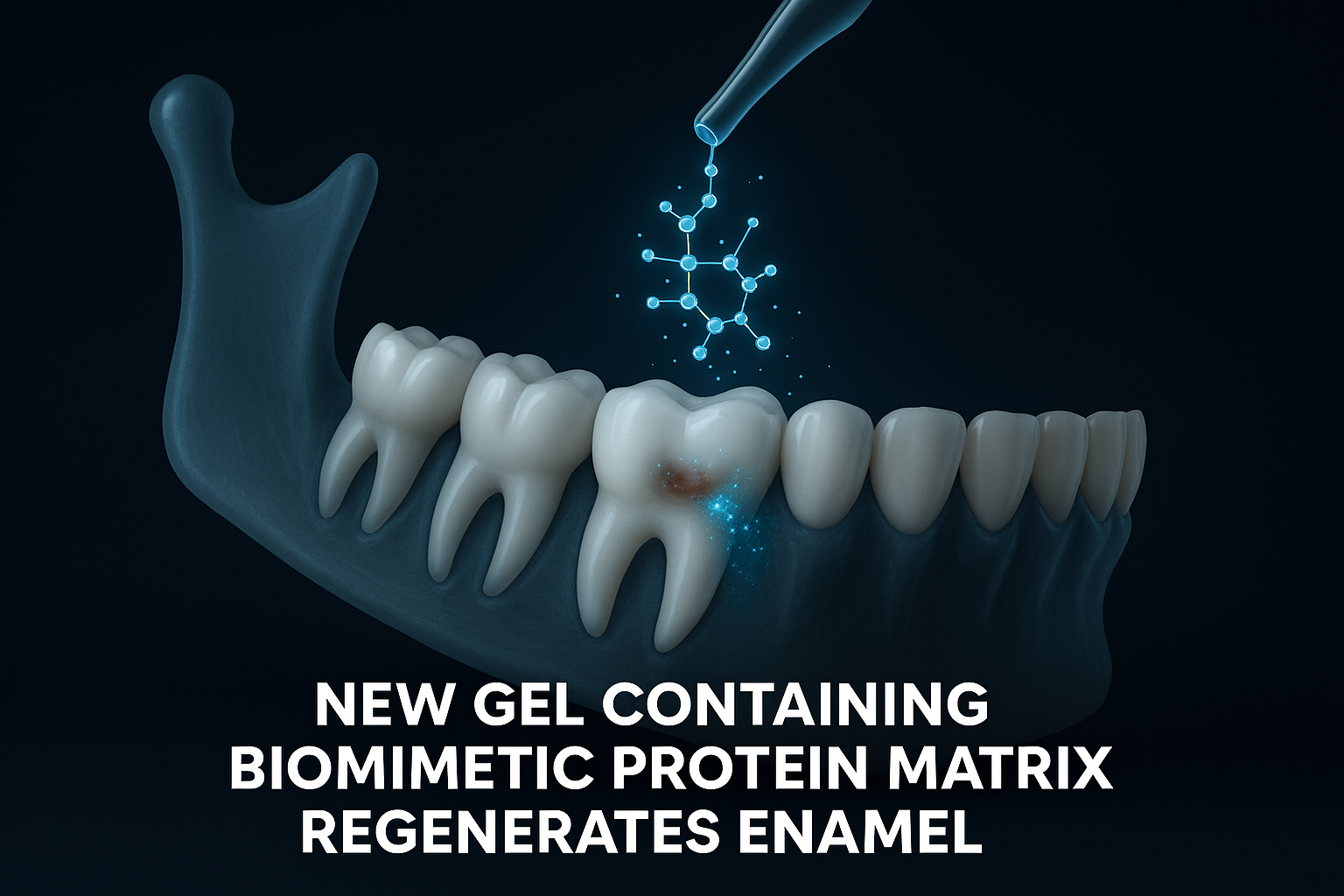
Now, researchers have developed a biomimetic gel that can help regenerate enamel by mimicking the natural process of enamel formation. This innovation could change the future of restorative dentistry, offering a way to rebuild what was once thought impossible to restore.
Why Enamel Cannot Regrow Naturally
Tooth enamel is made of densely packed apatite nanocrystals arranged in a unique pattern that gives it exceptional hardness. But after enamel is lost to erosion, decay, or trauma, it cannot regrow enamel naturally because the specialized cells that form it, “ameloblasts,” are lost after the tooth erupts.
Traditional treatments like fluoride and sealants can strengthen the enamel’s surface, but they cannot truly regrow tooth enamel or rebuild its intricate structure. That’s what makes the new biomimetic gel such a promising development: it doesn’t just protect; it restores.
The Science Behind the Biomimetic Gel
At the core of this discovery is a biomimetic supramolecular protein matrix made from elastin-like recombinamers (ELRs), engineered proteins designed to function like amelogenin, the natural protein that guides enamel growth during tooth development.
When applied to a tooth’s surface, the gel forms a scaffold that encourages the formation of new apatite nanocrystals. These crystals grow and align just like natural enamel, effectively helping to regrow enamel with the same strength and microstructure as before.
This process replicates natural biomineralization, only now, it happens after the tooth is fully formed.
How the Gel Regrows Enamel
Application: The gel is applied to the damaged or eroded area of the tooth.
Self-Assembly: The ELR proteins organize into a stable, three-dimensional matrix.
Mineralization: In the presence of calcium and phosphate ions, new apatite crystals begin to grow.
Integration: These crystals fuse seamlessly with the existing enamel, restoring strength and durability.
The result is a regenerated enamel layer that behaves just like natural enamel, restoring protection, shine, and resilience.
Restored Strength and Natural Function
Unlike topical treatments or fluoride varnishes, this gel rebuilds a functional enamel layer. Laboratory studies show that teeth treated with this biomimetic material regain key properties of natural enamel, including:
Hardness and stiffness similar to natural enamel
Resistance to wear from brushing and chewing
High fracture toughness, preventing cracks
Superior acid resistance against dietary acids
The ability to regrow tooth enamel with such natural properties opens new possibilities for preventive and restorative dentistry.
Suitable for Different Tooth Regions
The gel can regenerate enamel across multiple layers of the tooth structure:
Aprismatic enamel – the smooth outer layer
Prismatic enamel – the inner crystalline layer
Exposed dentine – areas stripped of enamel
Its versatility allows dentists to treat everything from mild sensitivity to early enamel erosion, helping patients regrow enamel where it has been lost.
Clinically Safe and Easy to Apply
Designed for clinical use, the gel is both practical and biocompatible. It can be applied within minutes, requires no special equipment, and works under typical dental conditions, even in the presence of saliva.
The formulation includes ethanol, glutaraldehyde, and ELR proteins, materials proven to be safe for dental applications. These components make it ideal for chairside treatments that aim to regrow tooth enamel efficiently and safely.
Tested for Real-Life Durability
Researchers tested the gel under real-world oral conditions. The regenerated enamel showed exceptional performance in:
Brushing tests: no significant wear after repeated cycles
Chewing simulations: strong resistance to stress
Acid exposure: maintained structure better than natural enamel
Fracture testing: comparable to native enamel toughness
Even in saliva, the material continued to regenerate enamel, confirming its stability and long-term potential for clinical use.
Why This Breakthrough Matters
This discovery could redefine the way dentistry approaches enamel loss. Rather than relying solely on protective coatings or fillings, dentists may soon have the ability to regrow enamel directly on the tooth.
Potential benefits include:
Less invasive procedures
Longer-lasting restorations
Improved patient comfort and outcomes
New preventive treatment options
By offering a way to regrow tooth enamel naturally, this gel bridges the gap between restorative materials and biological healing.
Frequently Asked Questions
1. Can the gel be used at home?
Not yet. It’s currently designed for professional dental use, though over-the-counter versions may emerge later.
2. Is the regenerated enamel permanent?
Early tests show strong, long-lasting results, but long-term studies are still in progress.
3. Can it treat cavities?
The gel is best for early enamel erosion and sensitivity. It may help prevent cavities by strengthening and rebuilding the surface layer.
4. Is it safe?
Yes. The materials are non-toxic and biocompatible, with no reported side effects.
5. How long does treatment take?
The gel begins forming new enamel-like layers in just a few minutes, making it suitable for routine dental visits.
A Regenerative Future for Dentistry
The development of this biomimetic protein matrix gel represents a significant advancement in dental materials science. It demonstrates that it is possible to regrow tooth enamel, not just repair it.
As clinical trials advance, this technology could become a cornerstone of modern dentistry, helping millions naturally regenerate enamel, restore their teeth’s strength, and protect their smiles for life.
Reference:
Biomimetic supramolecular protein matrix restores structure and properties of human dental enamel
Abshar Hasan, Andrey Chuvilin, Alexander Van Teijlingen, Helena Rouco, Christopher Parmenter, Federico Venturi, Michael Fay, Gabriele Greco, Nicola M. Pugno, Jan Ruben, Charlotte J. C. Edwards-Gayle, Benjamin Myers, Ingrid Dreveny, Nathan Cowieson, Adam Winter, Sara Gamea, X. Frank Walboomers, Tanvir Hussain, José Carlos Rodríguez-Cabello, Frankie Rawson, Tell Tuttle, Sherif Elsharkawy, Avijit Banerjee, Stefan Habelitz & Alvaro Mata
Recent Articles










The Future of Tooth Enamel Regeneration
Dental enamel, the hardest and most mineralized tissue in the human body, is vital for protecting teeth from wear, temperature changes, and acid erosion. However, once it’s lost, enamel cannot naturally regrow. For decades, scientists have searched for ways to regrow tooth enamel and restore its strength without invasive procedures.
Now, researchers have developed a biomimetic gel that can help regenerate enamel by mimicking the natural process of enamel formation. This innovation could change the future of restorative dentistry, offering a way to rebuild what was once thought impossible to restore.
Why Enamel Cannot Regrow Naturally
Tooth enamel is made of densely packed apatite nanocrystals arranged in a unique pattern that gives it exceptional hardness. But after enamel is lost to erosion, decay, or trauma, it cannot regrow enamel naturally because the specialized cells that form it, “ameloblasts,” are lost after the tooth erupts.
Traditional treatments like fluoride and sealants can strengthen the enamel’s surface, but they cannot truly regrow tooth enamel or rebuild its intricate structure. That’s what makes the new biomimetic gel such a promising development: it doesn’t just protect; it restores.
The Science Behind the Biomimetic Gel
At the core of this discovery is a biomimetic supramolecular protein matrix made from elastin-like recombinamers (ELRs), engineered proteins designed to function like amelogenin, the natural protein that guides enamel growth during tooth development.
When applied to a tooth’s surface, the gel forms a scaffold that encourages the formation of new apatite nanocrystals. These crystals grow and align just like natural enamel, effectively helping to regrow enamel with the same strength and microstructure as before.
This process replicates natural biomineralization, only now, it happens after the tooth is fully formed.
How the Gel Regrows Enamel
Application: The gel is applied to the damaged or eroded area of the tooth.
Self-Assembly: The ELR proteins organize into a stable, three-dimensional matrix.
Mineralization: In the presence of calcium and phosphate ions, new apatite crystals begin to grow.
Integration: These crystals fuse seamlessly with the existing enamel, restoring strength and durability.
The result is a regenerated enamel layer that behaves just like natural enamel, restoring protection, shine, and resilience.
Restored Strength and Natural Function
Unlike topical treatments or fluoride varnishes, this gel rebuilds a functional enamel layer. Laboratory studies show that teeth treated with this biomimetic material regain key properties of natural enamel, including:
Hardness and stiffness similar to natural enamel
Resistance to wear from brushing and chewing
High fracture toughness, preventing cracks
Superior acid resistance against dietary acids
The ability to regrow tooth enamel with such natural properties opens new possibilities for preventive and restorative dentistry.
Suitable for Different Tooth Regions
The gel can regenerate enamel across multiple layers of the tooth structure:
Aprismatic enamel – the smooth outer layer
Prismatic enamel – the inner crystalline layer
Exposed dentine – areas stripped of enamel
Its versatility allows dentists to treat everything from mild sensitivity to early enamel erosion, helping patients regrow enamel where it has been lost.
Clinically Safe and Easy to Apply
Designed for clinical use, the gel is both practical and biocompatible. It can be applied within minutes, requires no special equipment, and works under typical dental conditions, even in the presence of saliva.
The formulation includes ethanol, glutaraldehyde, and ELR proteins, materials proven to be safe for dental applications. These components make it ideal for chairside treatments that aim to regrow tooth enamel efficiently and safely.
Tested for Real-Life Durability
Researchers tested the gel under real-world oral conditions. The regenerated enamel showed exceptional performance in:
Brushing tests: no significant wear after repeated cycles
Chewing simulations: strong resistance to stress
Acid exposure: maintained structure better than natural enamel
Fracture testing: comparable to native enamel toughness
Even in saliva, the material continued to regenerate enamel, confirming its stability and long-term potential for clinical use.
Why This Breakthrough Matters
This discovery could redefine the way dentistry approaches enamel loss. Rather than relying solely on protective coatings or fillings, dentists may soon have the ability to regrow enamel directly on the tooth.
Potential benefits include:
Less invasive procedures
Longer-lasting restorations
Improved patient comfort and outcomes
New preventive treatment options
By offering a way to regrow tooth enamel naturally, this gel bridges the gap between restorative materials and biological healing.
Frequently Asked Questions
1. Can the gel be used at home?
Not yet. It’s currently designed for professional dental use, though over-the-counter versions may emerge later.
2. Is the regenerated enamel permanent?
Early tests show strong, long-lasting results, but long-term studies are still in progress.
3. Can it treat cavities?
The gel is best for early enamel erosion and sensitivity. It may help prevent cavities by strengthening and rebuilding the surface layer.
4. Is it safe?
Yes. The materials are non-toxic and biocompatible, with no reported side effects.
5. How long does treatment take?
The gel begins forming new enamel-like layers in just a few minutes, making it suitable for routine dental visits.
A Regenerative Future for Dentistry
The development of this biomimetic protein matrix gel represents a significant advancement in dental materials science. It demonstrates that it is possible to regrow tooth enamel, not just repair it.
As clinical trials advance, this technology could become a cornerstone of modern dentistry, helping millions naturally regenerate enamel, restore their teeth’s strength, and protect their smiles for life.
Reference:
Biomimetic supramolecular protein matrix restores structure and properties of human dental enamel
Abshar Hasan, Andrey Chuvilin, Alexander Van Teijlingen, Helena Rouco, Christopher Parmenter, Federico Venturi, Michael Fay, Gabriele Greco, Nicola M. Pugno, Jan Ruben, Charlotte J. C. Edwards-Gayle, Benjamin Myers, Ingrid Dreveny, Nathan Cowieson, Adam Winter, Sara Gamea, X. Frank Walboomers, Tanvir Hussain, José Carlos Rodríguez-Cabello, Frankie Rawson, Tell Tuttle, Sherif Elsharkawy, Avijit Banerjee, Stefan Habelitz & Alvaro Mata
Recent Articles
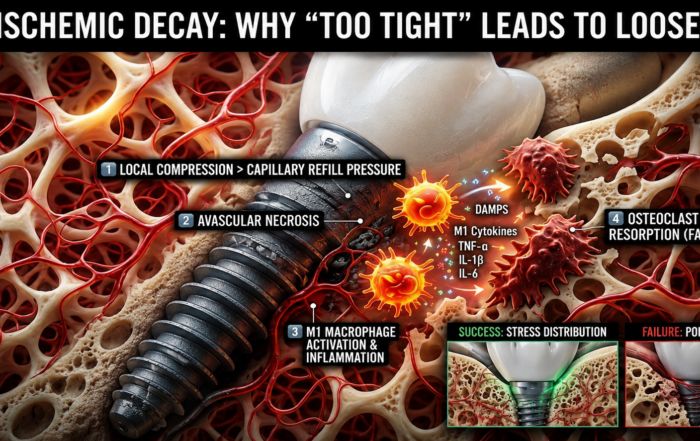
When “Perfectly Tight” Dental Implants Fail
When “Perfectly Tight” Dental Implants Fail The Hidden Role of Ischemic Bone Resorption and Osteoimmune Dysfunction In modern dental implantology, achieving high primary [...]
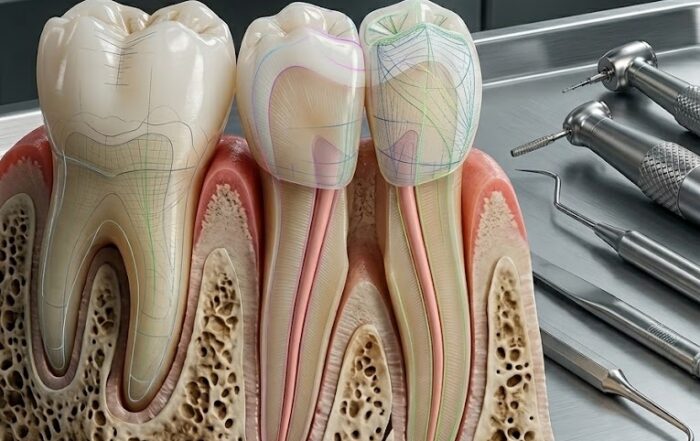
The Bicuspidization Protocol: Engineering Meets Survival
The Bicuspidization Protocol: Engineering Meets Survival Modern restorative dentistry is no longer limited to extraction and replacement. In the era of conservative and biologically [...]
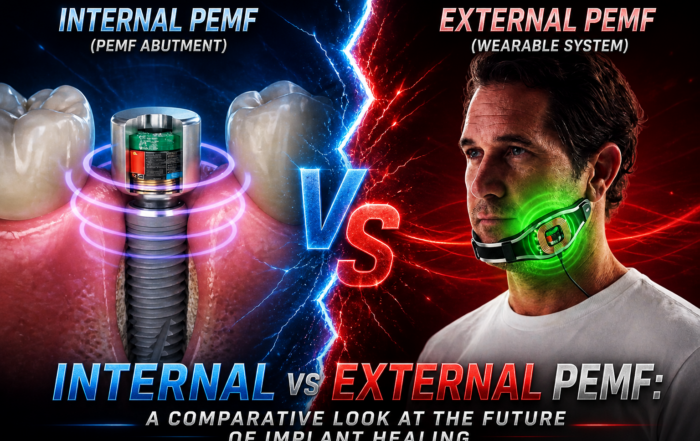
Pulsed Electromagnetic Field (PEMF) Use in Implant Dentistry
Pulsed Electromagnetic Field (PEMF) Use in Implant Dentistry Abstract and Historical Background Pulsed Electromagnetic Field (PEMF) therapy refers to the application of low-frequency electromagnetic [...]
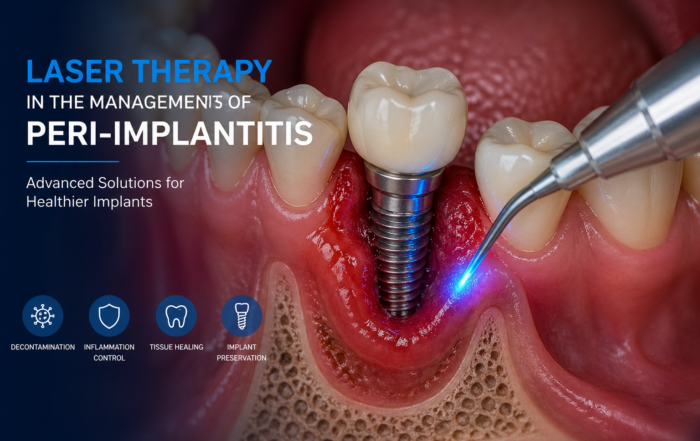
Laser Therapy in the Management of Peri-Implantitis
Laser Therapy in the Management of Peri-Implantitis Laser technology has become an increasingly valuable adjunct in the treatment of peri-implant diseases, particularly peri-implantitis. Its [...]
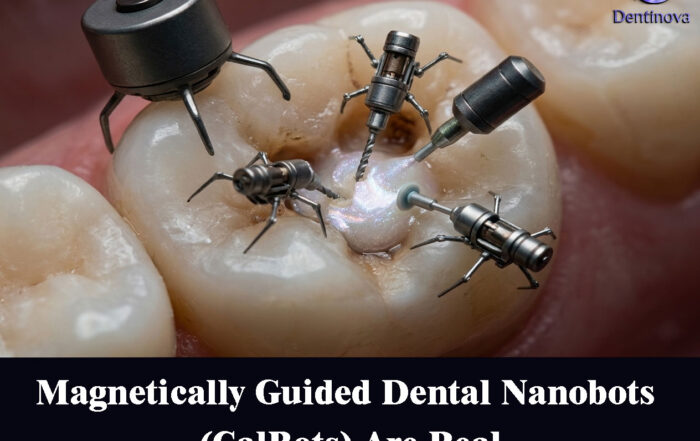
Magnetically Guided Dental Nanobots (CalBots) Are Real
Magnetically Guided Dental Nanobots (CalBots) Are Real The concept of nanobots in dentistry has long been associated with futuristic speculation. However, recent peer-reviewed research [...]
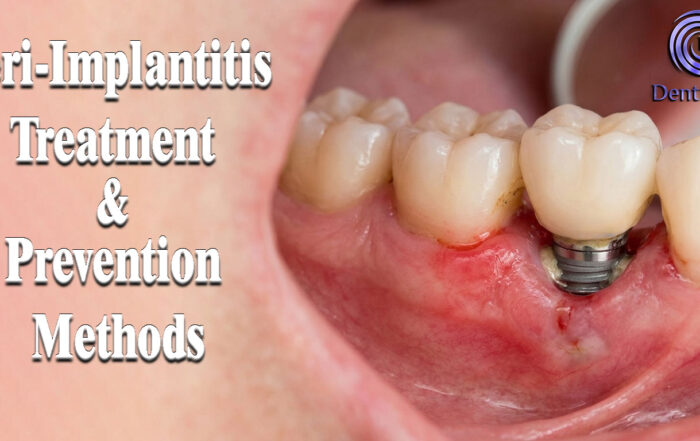
Peri-Implantitis Treatment & Prevention Methods
Peri-Implantitis Treatment & Prevention Methods Peri-implantitis remains one of the most significant biological complications affecting dental implants, posing a serious threat to long-term implant [...]