Dental Caries : The Silent Attack
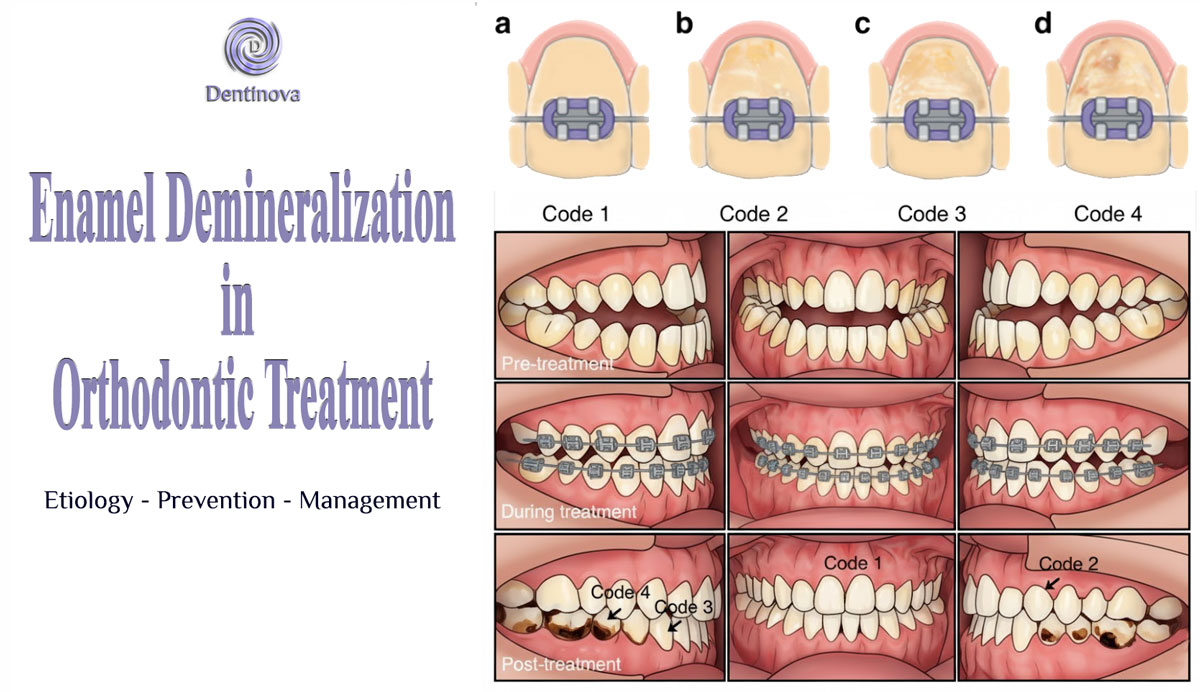
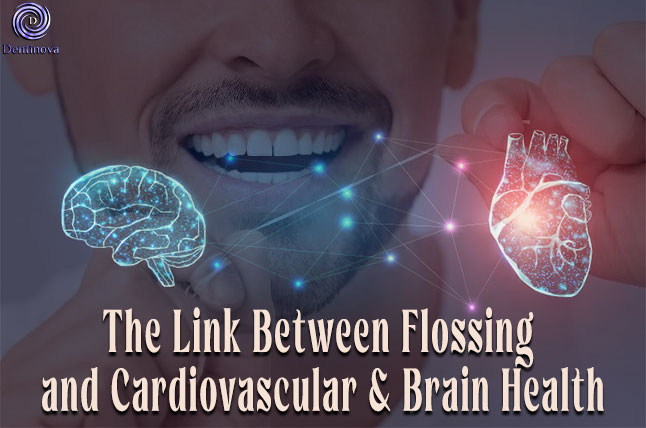
Tooth decay often starts quietly, with no pain, no warning, just slow destruction. Dental caries, commonly referred to as cavities, are one of the most widespread yet preventable oral health problems. What makes them dangerous is how silently they progress, damaging tooth structure before you even notice.
How Dental Caries Begins
Every time we eat, especially sugary or starchy foods, bacteria in the mouth get to work. These bacteria feed on leftover food particles, producing acids in the process. Over time, this acid attacks the enamel, the strong outer layer of the tooth, causing it to weaken and break down. Once enamel is compromised, the tooth becomes more vulnerable to deeper decay.
The Role of Plaque and Bacteria
Plaque, a sticky film that constantly forms on teeth, is loaded with bacteria. When not removed through proper brushing and flossing, plaque builds up and creates the perfect environment for acid-producing bacteria to thrive. These acids gradually eat away at the tooth surface, opening the door to cavities.
Why You May Not Feel It Until It’s Too Late
Dental caries often go unnoticed in their early stages. There’s usually no pain until the decay reaches the inner layers of the tooth. At this point, symptoms like sensitivity to hot or cold, discomfort when chewing, or visible holes may appear. By then, the damage might already be significant.
Prevention Is the Best Defense
The good news? You can stop dental caries before they start. Daily brushing and flossing remove plaque and food debris, while regular dental checkups catch early signs of decay. Reducing sugar intake, using fluoride toothpaste, and maintaining a balanced diet all contribute to stronger, cavity-resistant teeth.
Bottom line: Dental caries don’t happen overnight, but they do strike quietly. Stay proactive with your oral hygiene to keep this “silent attack” at bay.
Recent Articles
















Tooth decay often starts quietly, with no pain, no warning, just slow destruction. Dental caries, commonly referred to as cavities, are one of the most widespread yet preventable oral health problems. What makes them dangerous is how silently they progress, damaging tooth structure before you even notice.
How Dental Caries Begins
Every time we eat, especially sugary or starchy foods, bacteria in the mouth get to work. These bacteria feed on leftover food particles, producing acids in the process. Over time, this acid attacks the enamel, the strong outer layer of the tooth, causing it to weaken and break down. Once enamel is compromised, the tooth becomes more vulnerable to deeper decay.
The Role of Plaque and Bacteria
Plaque, a sticky film that constantly forms on teeth, is loaded with bacteria. When not removed through proper brushing and flossing, plaque builds up and creates the perfect environment for acid-producing bacteria to thrive. These acids gradually eat away at the tooth surface, opening the door to cavities.
Why You May Not Feel It Until It’s Too Late
Dental caries often go unnoticed in their early stages. There’s usually no pain until the decay reaches the inner layers of the tooth. At this point, symptoms like sensitivity to hot or cold, discomfort when chewing, or visible holes may appear. By then, the damage might already be significant.
Prevention Is the Best Defense
The good news? You can stop dental caries before they start. Daily brushing and flossing remove plaque and food debris, while regular dental checkups catch early signs of decay. Reducing sugar intake, using fluoride toothpaste, and maintaining a balanced diet all contribute to stronger, cavity-resistant teeth.
Bottom line: Dental caries don’t happen overnight, but they do strike quietly. Stay proactive with your oral hygiene to keep this “silent attack” at bay.
Recent Articles
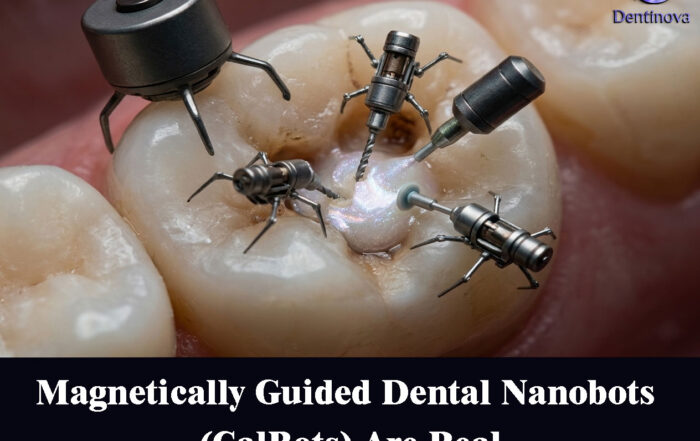
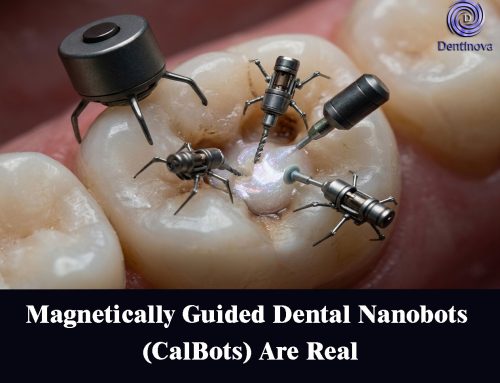
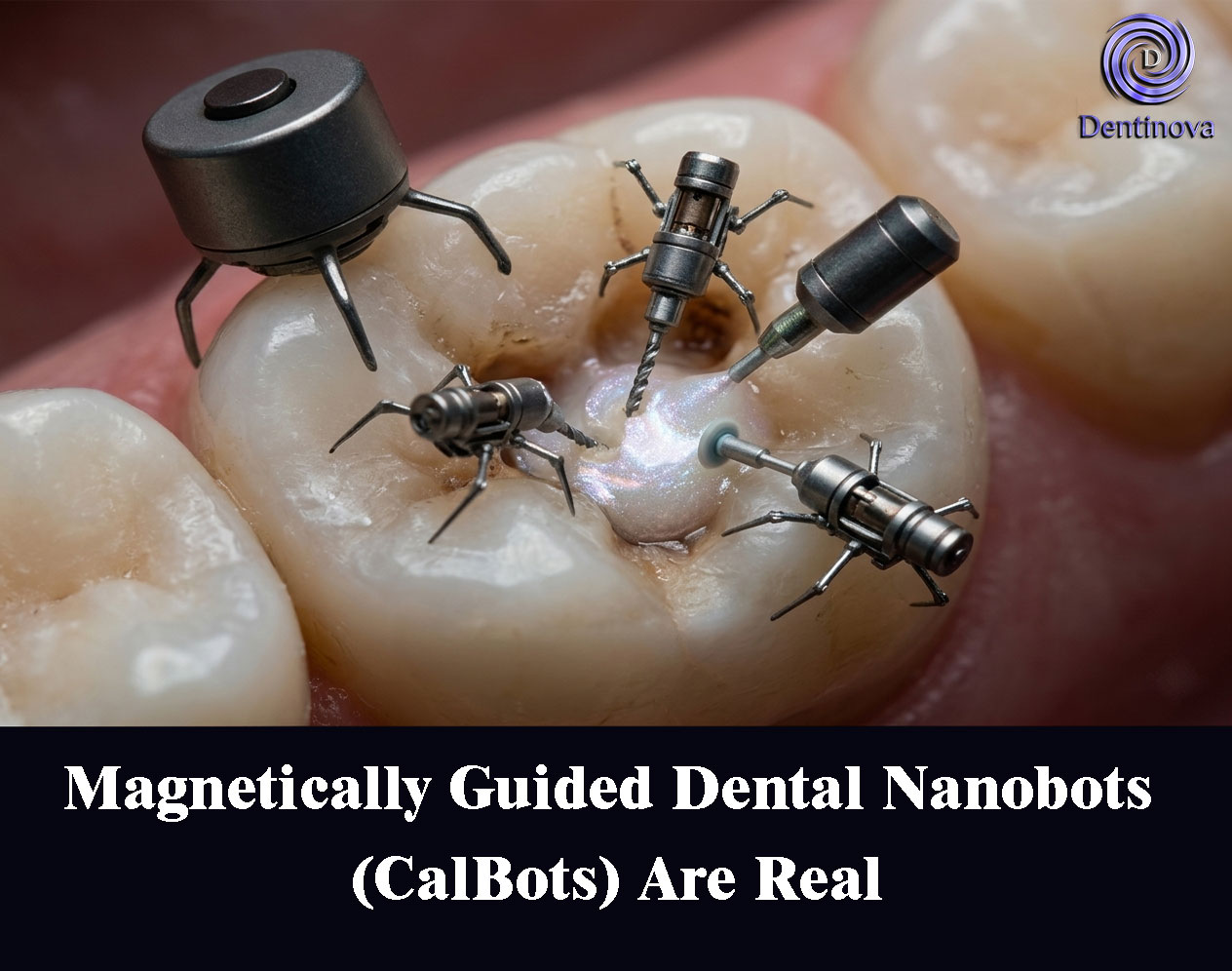
Magnetically Guided Dental Nanobots (CalBots) Are Real
Magnetically Guided Dental Nanobots (CalBots) Are Real The concept of nanobots in dentistry has long been associated with futuristic speculation. However, recent peer-reviewed research [...]
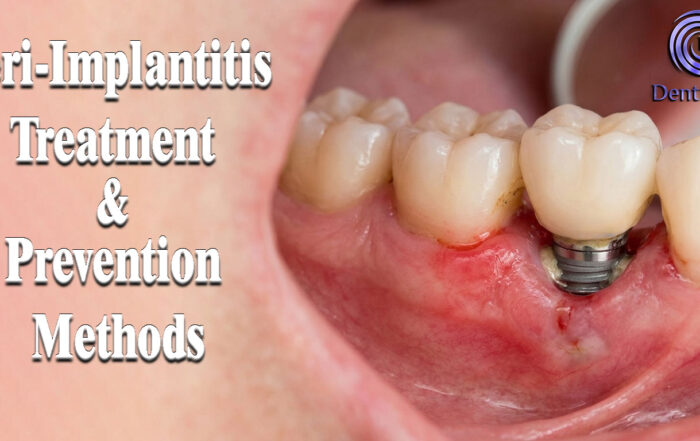
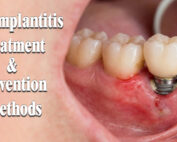
Peri-Implantitis Treatment & Prevention Methods
Peri-Implantitis Treatment & Prevention Methods Peri-implantitis remains one of the most significant biological complications affecting dental implants, posing a serious threat to long-term implant [...]
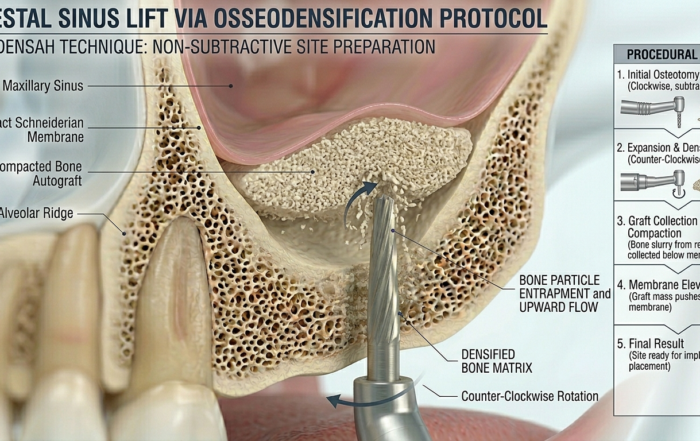
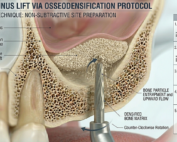
Latest Sinus Lifting Techniques in Modern Implant Dentistry
Latest Sinus Lifting Techniques in Modern Implant Dentistry A Comprehensive Clinical Review Introduction to Sinus Lifting in Implantology Sinus lifting, or maxillary sinus floor [...]
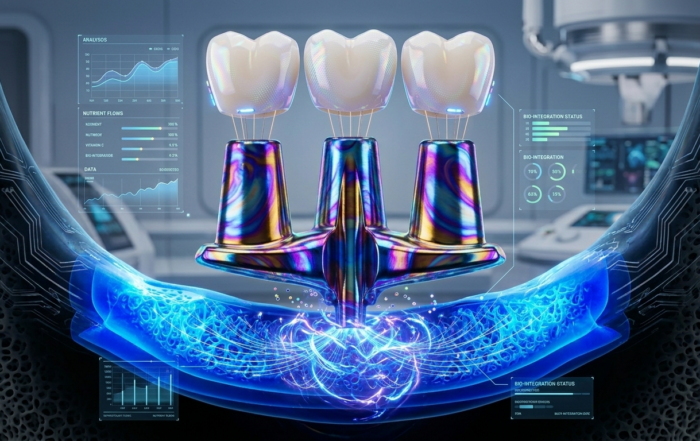
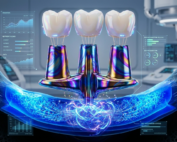
Biomechanics of the Triple Abutment & BOPiT Concept
Dental Biomechanics · Implant Science · Clinical Evidence Biomechanics of the Triple Abutment & BOPiT Concept How a saddle-shaped mathematical surface is rewriting the rules of load distribution [...]
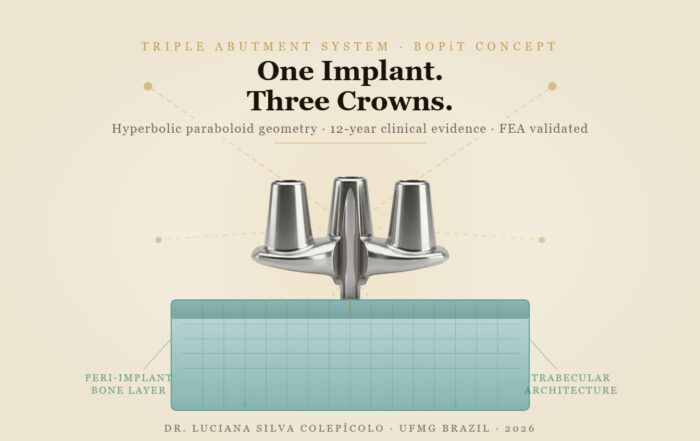
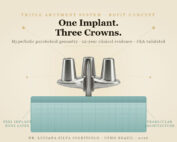
The Woman Who Proved One Implant Could Hold Three Crowns
The Woman Who Proved One Implant Could Hold Three Crowns While the dental establishment looked away, Dr. Luciana Colepícolo spent 12 years building the [...]
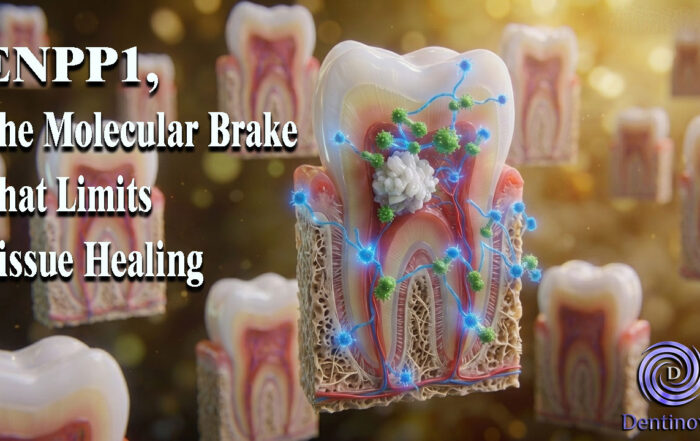
ENPP1, The Molecular Brake That Limits Tissue Healing
ENPP1, The Molecular Brake That Limits Tissue Healing Introduction: A New Biological Barrier to Dental Regeneration Meet ENPP1—a protein most dentists have never heard [...]