Dr Katsu Takahashi and Torgem Biopharma : A Revolution in Tooth Regeneration
Economic novels have long captured human dramas, but it is the pioneering spirit of a novelist who draws that opens the future. Similarly, in the realm of dentistry, imminent breakthroughs on the hands of visionary scientists like Dr Katsu Takahashi may transform tooth treatment from its very roots. Imagine a world where humans can grow a third set of teeth, akin to the regeneration capabilities found in some animals. This isn’t just science fiction; it’s an emerging reality driven by innovative research and cutting-edge technology spearheaded by ” Katsu Takahashi ” and his team at ” Toregem Biopharma “.
Dr Katsu Takahashi Vision of Regenerative Dentistry
The concept of regenerating teeth might sound like something out of a futuristic novel, but it’s grounded in scientific exploration. In Osaka City, at Kitano Hospital, a startup company named ” Toregem Biopharma ” is leading this charge under the guidance of CTO ” Katsu Takahashi “. Their mission? To revolutionize dental care through regenerative medicine.
Regenerative treatments are not new, but applying them to teeth, a part of the body once thought to be irreplaceable, marks a significant leap forward. For over three decades, researchers have been working tirelessly on this tiny yet profound tip of medical advancement. The hospital collaborates extensively with universities and other institutions to push the boundaries of what’s possible in drug development and regenerative therapies.
https://store.dentinova.co.uk/product/human-usag-1-sostdc1-protein-fc-tag/
State-of-the-Art Research Facilities
Adjacent to the hospital wards lies a state-of-the-art facility dedicated to advanced drug development. High-security measures ensure the integrity of ongoing experiments. Within these tightly controlled rooms, researchers conduct studies that cannot be performed elsewhere due to their complexity and sensitivity.
One notable area of focus is the animal laboratory, specifically designed for mice. Here, scientists manipulate genes to understand how they influence tooth growth. One such experiment involved knocking out specific genes responsible for stopping tooth development. When these genes were removed, the results were astonishing: mice began growing additional teeth.
Unveiling the Third Set of Teeth by Dr Katsu Takahashi
” Katsu Takahashi ” explains the underlying mechanism behind this phenomenon. Typically, humans develop two sets of teeth: deciduous (baby) teeth and permanent teeth. Once the permanent teeth are lost, no natural replacement occurs. However, beneath the gum line lies dormant potential—the “third tooth.” By targeting certain proteins, notably USAG-1, researchers aim to stimulate the growth of these latent teeth.
” USAG-1 ” plays a crucial role in halting further tooth development after the permanent set emerges. By developing drugs that inhibit ” USAG-1 “, scientists hope to coax the body into producing new teeth. This approach mirrors evolutionary processes observed in nature, where mammals evolved to optimize their dental structures for survival.
From Mice to Humans: Bridging the Gap
In 2018, ” Toregem Biopharma ” successfully demonstrated tooth regeneration in mice using targeted medications. These drugs prompted the growth of extra teeth in subjects that previously lacked them. Encouraged by these findings, the team is now preparing for human clinical trials scheduled to begin this summer.
While the road to practical application remains lengthy and costly, the promise of regenerating human teeth brings hope to millions suffering from tooth loss. If successful, this breakthrough could redefine dental health standards globally, offering a biological solution rather than artificial replacements.
Looking Ahead Through the Eye of Dr Katsu Takahashi
The journey toward functional human tooth regeneration spans decades, reflecting the challenges and triumphs inherent in groundbreaking research. As ” Katsu Takahashi ” notes, belief and perseverance are key drivers of progress. The ultimate goal is within reach even after thirty years of dedicated effort.
As we stand on the cusp of this unprecedented innovation, one thing is clear: the indomitable pioneers challenging the unknown are poised to change the history of human beings. With each step forward, the dream of effortless tooth regeneration becomes increasingly tangible, heralding a new era in healthcare.
In conclusion, while economic novels dramatize human stories, the real drama unfolds in laboratories where scientists strive to rewrite the rules of biology. Just as a novelist crafts a narrative, researchers like Katsu Takahashi and companies like ” Toregem Biopharma ” are scripting a future where tooth decay and loss need no longer dictate our smiles—all thanks to the power of “ USAG-1” inhibition.
https://store.dentinova.co.uk/product/mouse-usag-1-sostdc1-protein-95-purity/
Frequently Asked Questions (FAQ) about Dr. Katsu Takahashi and Tooth Regeneration
1. Who is Dr. Katsu Takahashi?
Dr. Katsu Takahashi is a pioneering dentist and researcher based in Osaka, Japan. He serves as the Chief Technology Officer (CTO) of Toregem Biopharma, a biotechnology company focused on developing innovative therapies for tooth regeneration. With over three decades of research experience, Dr. Takahashi has become one of the leading figures in regenerative dentistry.
2. What is Toregem Biopharma?
Toregem Biopharma is a biotech startup operating under Kitano Hospital in Osaka. The company specializes in regenerative medicine for dental care, aiming to make tooth regeneration a clinical reality. Toregem’s work is centered on creating drugs that can stimulate the growth of new teeth by reactivating dormant biological mechanisms.
3. What is the concept of tooth regeneration?
Tooth regeneration refers to the process of growing new teeth naturally by stimulating the body’s own regenerative potential. Unlike dentures or implants, this approach uses biological methods to trigger tooth growth, offering a permanent and natural replacement for lost teeth.
4. What role does the protein “USAG-1” play in tooth development?
The protein USAG-1 (Uterine Sensitization-Associated Gene-1) acts as a biological brake that stops additional teeth from developing after the permanent set has formed. Toregem Biopharma’s research focuses on inhibiting USAG-1, which allows dormant dental stem cells to activate and generate new teeth—a process often referred to as “third tooth regeneration.”
5. What is “third tooth regeneration”?
Third tooth regeneration is the scientific concept of enabling humans to grow a third set of teeth beyond baby and permanent teeth. This phenomenon has been observed in animal studies, and researchers like Dr. Takahashi are working to replicate it in humans through advanced antibody therapies.
6. How did Toregem Biopharma discover the potential for tooth regeneration?
In experiments conducted on mice, Toregem Biopharma’s research team inactivated specific genes responsible for halting tooth growth. The results were remarkable—mice that had lost their ability to grow teeth began to develop new ones. This discovery confirmed the existence of dormant regenerative potential that could be reactivated through targeted medication.
7. When will human trials for tooth regeneration begin?
Toregem Biopharma has already conducted successful preclinical studies in animals. The company is now preparing for human clinical trials, expected to begin soon, marking a critical step toward bringing this revolutionary therapy closer to real-world application.
8. How does this research differ from traditional dental treatments?
Traditional treatments like implants, bridges, or dentures replace missing teeth with artificial materials. Toregem Biopharma’s approach, on the other hand, aims to restore the natural biological function of the mouth by regenerating actual teeth. This represents a shift from replacement to regeneration, offering a permanent and self-sustaining solution.
9. What facilities support Toregem Biopharma’s research?
Toregem Biopharma operates within Kitano Hospital’s advanced research complex in Osaka, which includes high-security laboratories and specialized animal research facilities. These state-of-the-art environments allow scientists to conduct sensitive genetic and biochemical experiments essential for developing regenerative therapies.
10. What are the main challenges in developing tooth regeneration therapy?
Developing a safe and effective tooth regeneration drug involves complex challenges, including understanding genetic pathways, ensuring long-term safety, securing regulatory approvals, and scaling up manufacturing for clinical use. Despite these hurdles, ongoing progress and successful preclinical results indicate strong potential for success.
11. Could this therapy help people with common tooth loss from decay or injury?
Yes. Although initial trials target congenital edentulism and genetic cases of missing teeth, the technology could eventually be used to regrow teeth lost due to cavities, trauma, or aging, offering hope to millions of people worldwide who experience tooth loss.
12. What is the significance of Toregem Biopharma’s work for the future of dentistry?
Toregem Biopharma’s advancements could transform modern dentistry by replacing artificial restorations with biological regeneration. This would drastically reduce the need for implants and dentures, lower long-term treatment costs, and improve both functionality and aesthetics for patients.
13. How long has Dr. Takahashi been working on tooth regeneration?
Dr. Katsu Takahashi has dedicated over 30 years to research in regenerative dentistry. His perseverance and belief in the potential of biological regeneration have brought the field from theoretical exploration to the brink of practical application.
14. Why is this discovery considered a major milestone in medical science?
Because it challenges the long-held belief that human teeth cannot regenerate once lost. By demonstrating that dormant regenerative pathways can be reactivated, this research not only revolutionizes dental medicine but also opens doors to new treatments in broader regenerative fields.
15. What’s next for Toregem Biopharma?
The company’s immediate focus is on completing successful clinical trials and obtaining regulatory approval for its antibody-based drug targeting USAG-1. In the long term, Toregem Biopharma aims to make tooth regeneration therapy widely accessible, marking the dawn of a new era in human oral health.
Recent Articles




















Economic novels have long captured human dramas, but it is the pioneering spirit of a novelist who draws that opens the future. Similarly, in the realm of dentistry, imminent breakthroughs on the hands of visionary scientists like Dr Katsu Takahashi may transform tooth treatment from its very roots. Imagine a world where humans can grow a third set of teeth, akin to the regeneration capabilities found in some animals. This isn’t just science fiction; it’s an emerging reality driven by innovative research and cutting-edge technology spearheaded by ” Katsu Takahashi ” and his team at ” Toregem Biopharma “.
Dr Katsu Takahashi Vision of Regenerative Dentistry
The concept of regenerating teeth might sound like something out of a futuristic novel, but it’s grounded in scientific exploration. In Osaka City, at Kitano Hospital, a startup company named ” Toregem Biopharma ” is leading this charge under the guidance of CTO ” Katsu Takahashi “. Their mission? To revolutionize dental care through regenerative medicine.
Regenerative treatments are not new, but applying them to teeth, a part of the body once thought to be irreplaceable, marks a significant leap forward. For over three decades, researchers have been working tirelessly on this tiny yet profound tip of medical advancement. The hospital collaborates extensively with universities and other institutions to push the boundaries of what’s possible in drug development and regenerative therapies.
https://store.dentinova.co.uk/product/human-usag-1-sostdc1-protein-fc-tag/
State-of-the-Art Research Facilities
Adjacent to the hospital wards lies a state-of-the-art facility dedicated to advanced drug development. High-security measures ensure the integrity of ongoing experiments. Within these tightly controlled rooms, researchers conduct studies that cannot be performed elsewhere due to their complexity and sensitivity.
One notable area of focus is the animal laboratory, specifically designed for mice. Here, scientists manipulate genes to understand how they influence tooth growth. One such experiment involved knocking out specific genes responsible for stopping tooth development. When these genes were removed, the results were astonishing: mice began growing additional teeth.
Unveiling the Third Set of Teeth by Dr Katsu Takahashi
” Katsu Takahashi ” explains the underlying mechanism behind this phenomenon. Typically, humans develop two sets of teeth: deciduous (baby) teeth and permanent teeth. Once the permanent teeth are lost, no natural replacement occurs. However, beneath the gum line lies dormant potential—the “third tooth.” By targeting certain proteins, notably USAG-1, researchers aim to stimulate the growth of these latent teeth.
” USAG-1 ” plays a crucial role in halting further tooth development after the permanent set emerges. By developing drugs that inhibit ” USAG-1 “, scientists hope to coax the body into producing new teeth. This approach mirrors evolutionary processes observed in nature, where mammals evolved to optimize their dental structures for survival.
From Mice to Humans: Bridging the Gap
In 2018, ” Toregem Biopharma ” successfully demonstrated tooth regeneration in mice using targeted medications. These drugs prompted the growth of extra teeth in subjects that previously lacked them. Encouraged by these findings, the team is now preparing for human clinical trials scheduled to begin this summer.
While the road to practical application remains lengthy and costly, the promise of regenerating human teeth brings hope to millions suffering from tooth loss. If successful, this breakthrough could redefine dental health standards globally, offering a biological solution rather than artificial replacements.
Looking Ahead Through the Eye of Dr Katsu Takahashi
The journey toward functional human tooth regeneration spans decades, reflecting the challenges and triumphs inherent in groundbreaking research. As ” Katsu Takahashi ” notes, belief and perseverance are key drivers of progress. The ultimate goal is within reach even after thirty years of dedicated effort.
As we stand on the cusp of this unprecedented innovation, one thing is clear: the indomitable pioneers challenging the unknown are poised to change the history of human beings. With each step forward, the dream of effortless tooth regeneration becomes increasingly tangible, heralding a new era in healthcare.
In conclusion, while economic novels dramatize human stories, the real drama unfolds in laboratories where scientists strive to rewrite the rules of biology. Just as a novelist crafts a narrative, researchers like Katsu Takahashi and companies like ” Toregem Biopharma ” are scripting a future where tooth decay and loss need no longer dictate our smiles—all thanks to the power of “ USAG-1” inhibition.
https://store.dentinova.co.uk/product/mouse-usag-1-sostdc1-protein-95-purity/
Frequently Asked Questions (FAQ) about Dr. Katsu Takahashi and Tooth Regeneration
1. Who is Dr. Katsu Takahashi?
Dr. Katsu Takahashi is a pioneering dentist and researcher based in Osaka, Japan. He serves as the Chief Technology Officer (CTO) of Toregem Biopharma, a biotechnology company focused on developing innovative therapies for tooth regeneration. With over three decades of research experience, Dr. Takahashi has become one of the leading figures in regenerative dentistry.
2. What is Toregem Biopharma?
Toregem Biopharma is a biotech startup operating under Kitano Hospital in Osaka. The company specializes in regenerative medicine for dental care, aiming to make tooth regeneration a clinical reality. Toregem’s work is centered on creating drugs that can stimulate the growth of new teeth by reactivating dormant biological mechanisms.
3. What is the concept of tooth regeneration?
Tooth regeneration refers to the process of growing new teeth naturally by stimulating the body’s own regenerative potential. Unlike dentures or implants, this approach uses biological methods to trigger tooth growth, offering a permanent and natural replacement for lost teeth.
4. What role does the protein “USAG-1” play in tooth development?
The protein USAG-1 (Uterine Sensitization-Associated Gene-1) acts as a biological brake that stops additional teeth from developing after the permanent set has formed. Toregem Biopharma’s research focuses on inhibiting USAG-1, which allows dormant dental stem cells to activate and generate new teeth—a process often referred to as “third tooth regeneration.”
5. What is “third tooth regeneration”?
Third tooth regeneration is the scientific concept of enabling humans to grow a third set of teeth beyond baby and permanent teeth. This phenomenon has been observed in animal studies, and researchers like Dr. Takahashi are working to replicate it in humans through advanced antibody therapies.
6. How did Toregem Biopharma discover the potential for tooth regeneration?
In experiments conducted on mice, Toregem Biopharma’s research team inactivated specific genes responsible for halting tooth growth. The results were remarkable—mice that had lost their ability to grow teeth began to develop new ones. This discovery confirmed the existence of dormant regenerative potential that could be reactivated through targeted medication.
7. When will human trials for tooth regeneration begin?
Toregem Biopharma has already conducted successful preclinical studies in animals. The company is now preparing for human clinical trials, expected to begin soon, marking a critical step toward bringing this revolutionary therapy closer to real-world application.
8. How does this research differ from traditional dental treatments?
Traditional treatments like implants, bridges, or dentures replace missing teeth with artificial materials. Toregem Biopharma’s approach, on the other hand, aims to restore the natural biological function of the mouth by regenerating actual teeth. This represents a shift from replacement to regeneration, offering a permanent and self-sustaining solution.
9. What facilities support Toregem Biopharma’s research?
Toregem Biopharma operates within Kitano Hospital’s advanced research complex in Osaka, which includes high-security laboratories and specialized animal research facilities. These state-of-the-art environments allow scientists to conduct sensitive genetic and biochemical experiments essential for developing regenerative therapies.
10. What are the main challenges in developing tooth regeneration therapy?
Developing a safe and effective tooth regeneration drug involves complex challenges, including understanding genetic pathways, ensuring long-term safety, securing regulatory approvals, and scaling up manufacturing for clinical use. Despite these hurdles, ongoing progress and successful preclinical results indicate strong potential for success.
11. Could this therapy help people with common tooth loss from decay or injury?
Yes. Although initial trials target congenital edentulism and genetic cases of missing teeth, the technology could eventually be used to regrow teeth lost due to cavities, trauma, or aging, offering hope to millions of people worldwide who experience tooth loss.
12. What is the significance of Toregem Biopharma’s work for the future of dentistry?
Toregem Biopharma’s advancements could transform modern dentistry by replacing artificial restorations with biological regeneration. This would drastically reduce the need for implants and dentures, lower long-term treatment costs, and improve both functionality and aesthetics for patients.
13. How long has Dr. Takahashi been working on tooth regeneration?
Dr. Katsu Takahashi has dedicated over 30 years to research in regenerative dentistry. His perseverance and belief in the potential of biological regeneration have brought the field from theoretical exploration to the brink of practical application.
14. Why is this discovery considered a major milestone in medical science?
Because it challenges the long-held belief that human teeth cannot regenerate once lost. By demonstrating that dormant regenerative pathways can be reactivated, this research not only revolutionizes dental medicine but also opens doors to new treatments in broader regenerative fields.
15. What’s next for Toregem Biopharma?
The company’s immediate focus is on completing successful clinical trials and obtaining regulatory approval for its antibody-based drug targeting USAG-1. In the long term, Toregem Biopharma aims to make tooth regeneration therapy widely accessible, marking the dawn of a new era in human oral health.
Recent Articles

Pulsed Electromagnetic Field (PEMF) Use in Implant Dentistry
Pulsed Electromagnetic Field (PEMF) Use in Implant Dentistry Abstract and Historical Background Pulsed Electromagnetic Field (PEMF) therapy refers to the application of low-frequency electromagnetic [...]
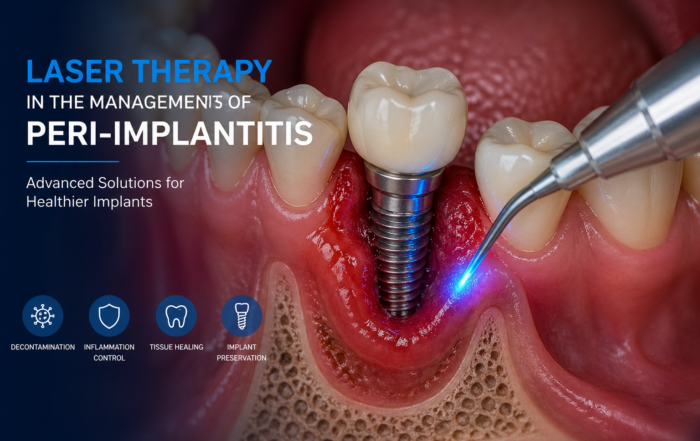
Laser Therapy in the Management of Peri-Implantitis
Laser Therapy in the Management of Peri-Implantitis Laser technology has become an increasingly valuable adjunct in the treatment of peri-implant diseases, particularly peri-implantitis. Its [...]
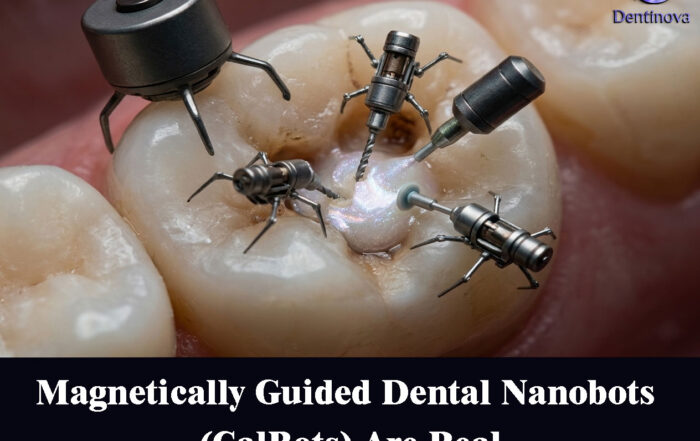
Magnetically Guided Dental Nanobots (CalBots) Are Real
Magnetically Guided Dental Nanobots (CalBots) Are Real The concept of nanobots in dentistry has long been associated with futuristic speculation. However, recent peer-reviewed research [...]
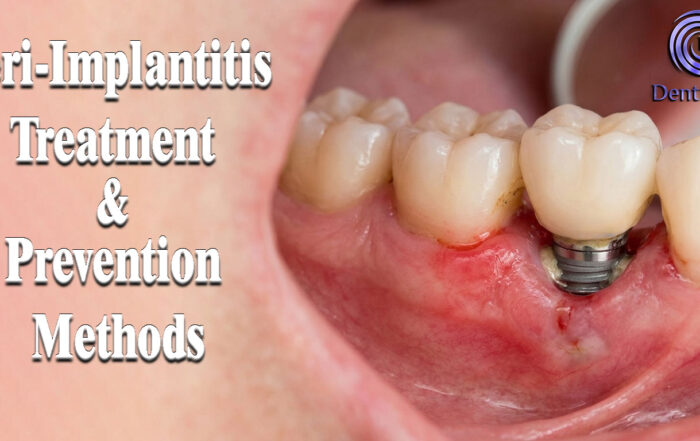
Peri-Implantitis Treatment & Prevention Methods
Peri-Implantitis Treatment & Prevention Methods Peri-implantitis remains one of the most significant biological complications affecting dental implants, posing a serious threat to long-term implant [...]
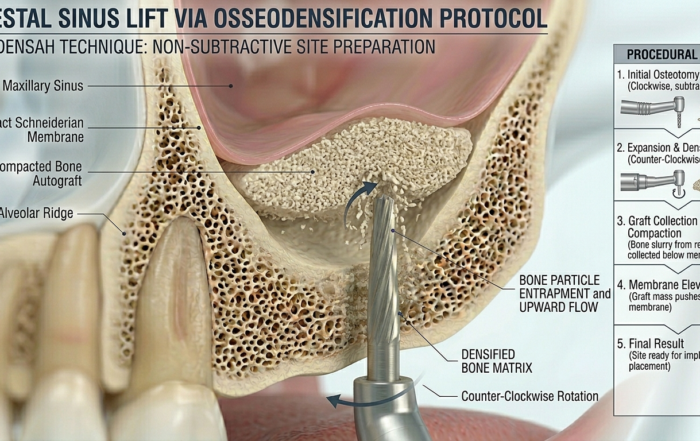
Latest Sinus Lifting Techniques in Modern Implant Dentistry
Latest Sinus Lifting Techniques in Modern Implant Dentistry A Comprehensive Clinical Review Introduction to Sinus Lifting in Implantology Sinus lifting, or maxillary sinus floor [...]
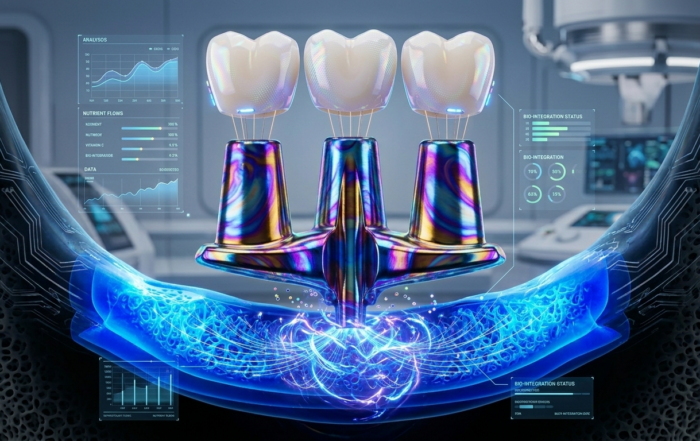
Biomechanics of the Triple Abutment & BOPiT Concept
Dental Biomechanics · Implant Science · Clinical Evidence Biomechanics of the Triple Abutment & BOPiT Concept How a saddle-shaped mathematical surface is rewriting the rules of load distribution [...]