𝐑𝐞𝐚𝐬𝐨𝐧𝐬 𝐨𝐟 𝐋𝐨𝐨𝐬𝐞 𝐇𝐞𝐚𝐥𝐢𝐧𝐠 𝐀𝐛𝐮𝐭𝐦𝐞𝐧𝐭𝐬 𝐢𝐧 𝐃𝐞𝐧𝐭𝐚𝐥 𝐈𝐦𝐩𝐥𝐚𝐧𝐭 𝐏𝐥𝐚𝐜𝐞𝐦𝐞𝐧𝐭
Healing abutments are critical for guiding soft tissue formation around dental implants. Their loosening can compromise healing and long-term success. Here are the key reasons:
1. Improper Torque Application on Healing Abutment screw
Under-tightening or over-tightening the abutment screw during placement can result in inadequate preload (clamping force), leading to loosening. Over-tightening may deform the screw while under-tightening fails to secure the abutment properly.
2. Healing Abutments, Mechanical Misfit or Non-OEM Components
Non-original equipment manufacturer (OEM) healing abutments or screws may not align perfectly with the implant system, causing micro-movements or instability. Poorly fitting components increase the risk of loosening.
3. Settling Effect of Healing Abutments (Embedment Relaxation)
Surface roughness between the implant and abutment can cause initial preload loss as components settle. Retightening after 5–10 minutes is often necessary to maintain optimal torque, which is sometimes overlooked.
4. Trauma or Physical Impact
Accidental blows to the mouth, biting hard objects, or excessive pressure during the healing phase can dislodge the healing abutment, especially before osseointegration is complete.
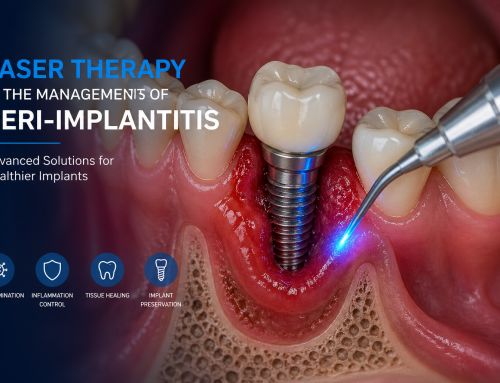
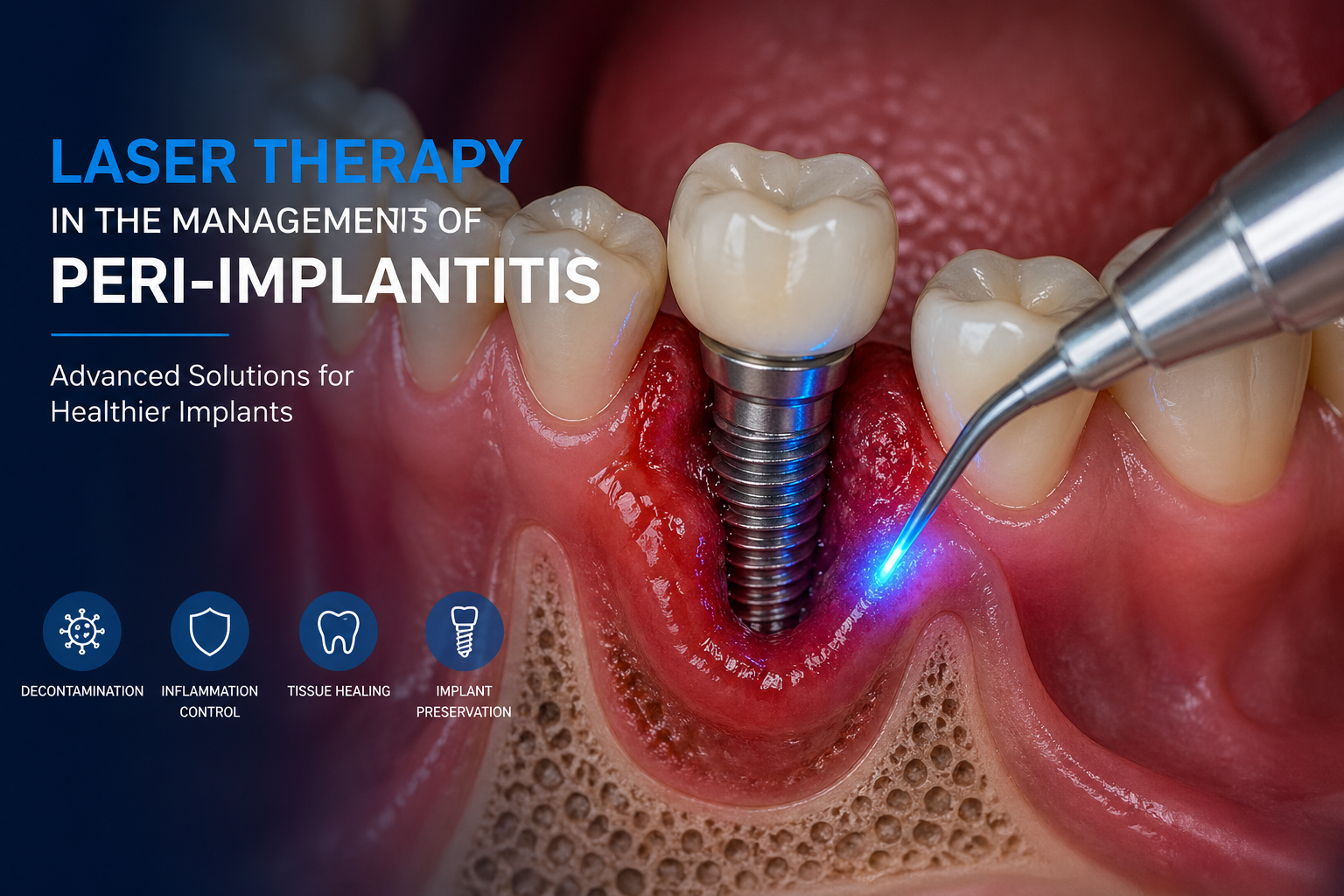
5. Infection or Peri-Implantitis
Bacterial infections around the implant site can cause inflammation, bone loss, and soft tissue degradation, destabilizing the healing abutment.
6. Poor Implant Positioning
If the implant is placed at an incorrect angle or depth, the healing abutment may not seat securely, leading to instability and micromovements.
7. Bone Loss or Osseointegration Failure
Inadequate integration between the implant and jawbone due to factors like smoking, diabetes, or poor surgical technique can result in implant movement, affecting the abutment’s stability.
8. Worn or Damaged Screws
Reusing screws that have lost mechanical integrity (e.g., stretched threads) or using damaged screws prevents proper tightening and retention.
9. Soft Tissue Interference
Entrapped gum tissue between the implant and abutment during placement can block full seating, reducing stability.
10. Uncalibrated Torque Device
Torque wrenches that are not regularly calibrated or maintained (e.g., corroded springs in toggle wrenches) may deliver inaccurate torque values, compromising preload.
𝐀𝐝𝐝𝐢𝐭𝐢𝐨𝐧𝐚𝐥 𝐂𝐨𝐧𝐬𝐢𝐝𝐞𝐫𝐚𝐭𝐢𝐨𝐧𝐬 about Healing Abutments
– Parafunctional Habits: Though healing abutments are non-functional, bruxism or clenching might still apply unintended lateral forces.
– Abutment Design: Mismatched abutment size or shape relative to the gingival architecture can cause instability.
For comprehensive management, ensure proper torque protocols, use OEM components, and address biological factors like infection promptly. Regular follow-ups and patient education on oral hygiene are also critical .
Recent Articles









Healing abutments are critical for guiding soft tissue formation around dental implants. Their loosening can compromise healing and long-term success. Here are the key reasons:
1. Improper Torque Application on Healing Abutment screw
Under-tightening or over-tightening the abutment screw during placement can result in inadequate preload (clamping force), leading to loosening. Over-tightening may deform the screw while under-tightening fails to secure the abutment properly.
2. Healing Abutments, Mechanical Misfit or Non-OEM Components
Non-original equipment manufacturer (OEM) healing abutments or screws may not align perfectly with the implant system, causing micro-movements or instability. Poorly fitting components increase the risk of loosening.
3. Settling Effect of Healing Abutments (Embedment Relaxation)
Surface roughness between the implant and abutment can cause initial preload loss as components settle. Retightening after 5–10 minutes is often necessary to maintain optimal torque, which is sometimes overlooked.
4. Trauma or Physical Impact
Accidental blows to the mouth, biting hard objects, or excessive pressure during the healing phase can dislodge the healing abutment, especially before osseointegration is complete.
5. Infection or Peri-Implantitis
Bacterial infections around the implant site can cause inflammation, bone loss, and soft tissue degradation, destabilizing the healing abutment.
6. Poor Implant Positioning
If the implant is placed at an incorrect angle or depth, the healing abutment may not seat securely, leading to instability and micromovements.
7. Bone Loss or Osseointegration Failure
Inadequate integration between the implant and jawbone due to factors like smoking, diabetes, or poor surgical technique can result in implant movement, affecting the abutment’s stability.
8. Worn or Damaged Screws
Reusing screws that have lost mechanical integrity (e.g., stretched threads) or using damaged screws prevents proper tightening and retention.
9. Soft Tissue Interference
Entrapped gum tissue between the implant and abutment during placement can block full seating, reducing stability.
10. Uncalibrated Torque Device
Torque wrenches that are not regularly calibrated or maintained (e.g., corroded springs in toggle wrenches) may deliver inaccurate torque values, compromising preload.
𝐀𝐝𝐝𝐢𝐭𝐢𝐨𝐧𝐚𝐥 𝐂𝐨𝐧𝐬𝐢𝐝𝐞𝐫𝐚𝐭𝐢𝐨𝐧𝐬 about Healing Abutments
– Parafunctional Habits: Though healing abutments are non-functional, bruxism or clenching might still apply unintended lateral forces.
– Abutment Design: Mismatched abutment size or shape relative to the gingival architecture can cause instability.
For comprehensive management, ensure proper torque protocols, use OEM components, and address biological factors like infection promptly. Regular follow-ups and patient education on oral hygiene are also critical .
Recent Articles
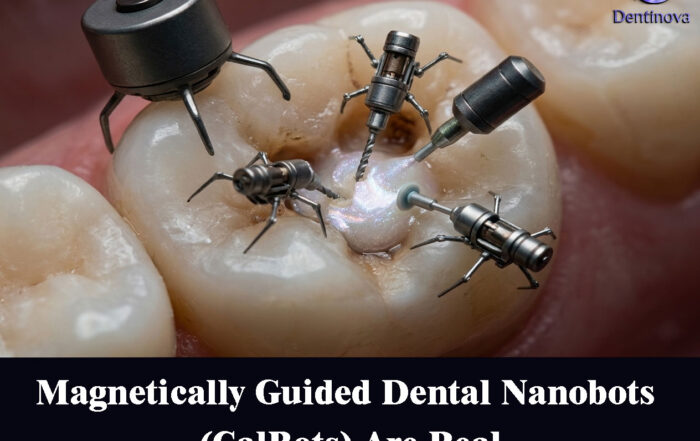
Magnetically Guided Dental Nanobots (CalBots) Are Real
Magnetically Guided Dental Nanobots (CalBots) Are Real The concept of nanobots in dentistry has long been associated with futuristic speculation. However, recent peer-reviewed research [...]
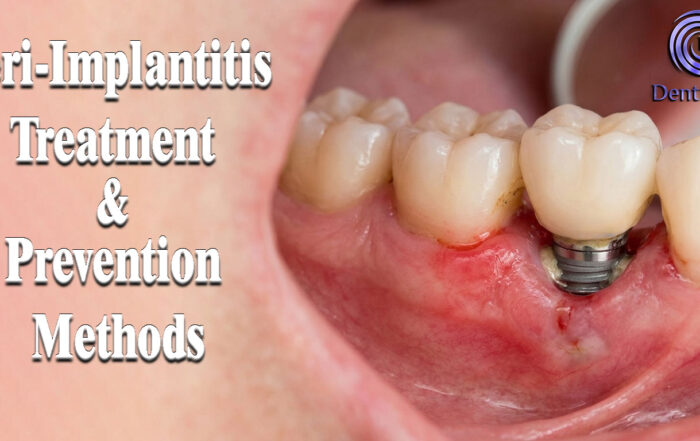
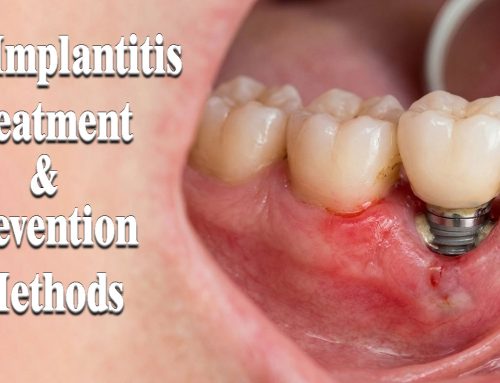
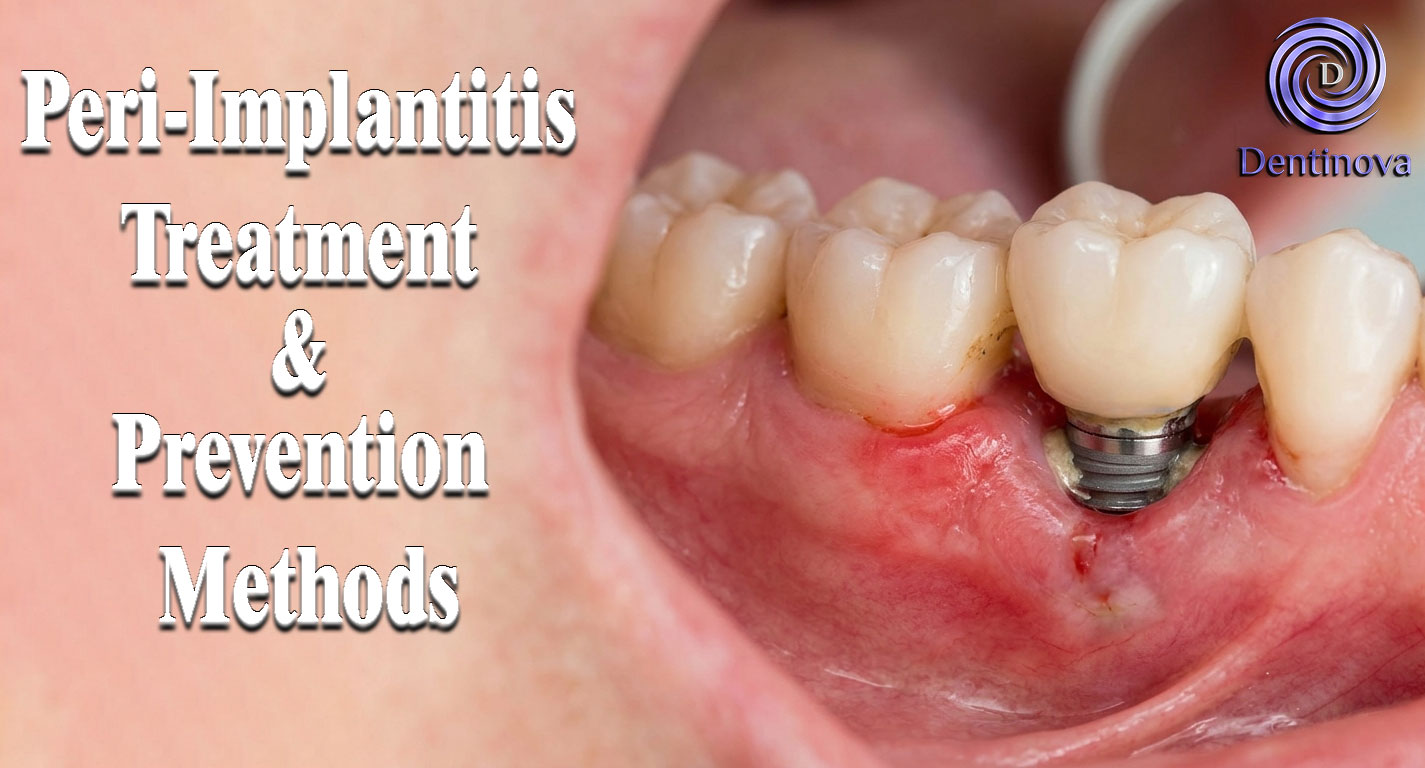
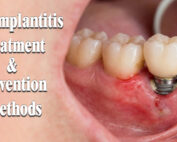
Peri-Implantitis Treatment & Prevention Methods
Peri-Implantitis Treatment & Prevention Methods Peri-implantitis remains one of the most significant biological complications affecting dental implants, posing a serious threat to long-term implant [...]
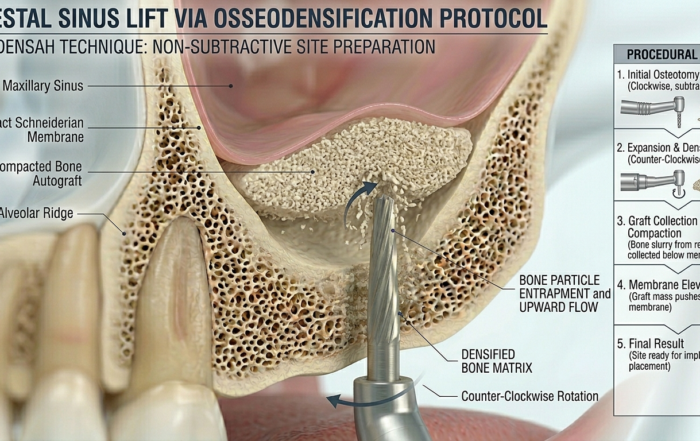
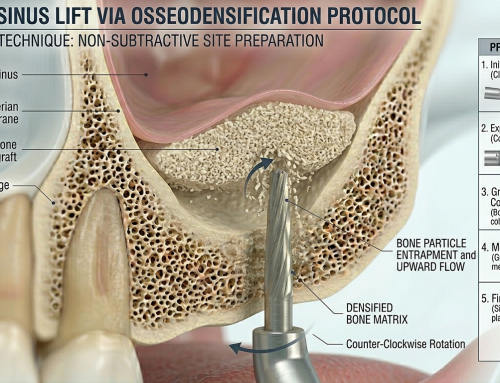
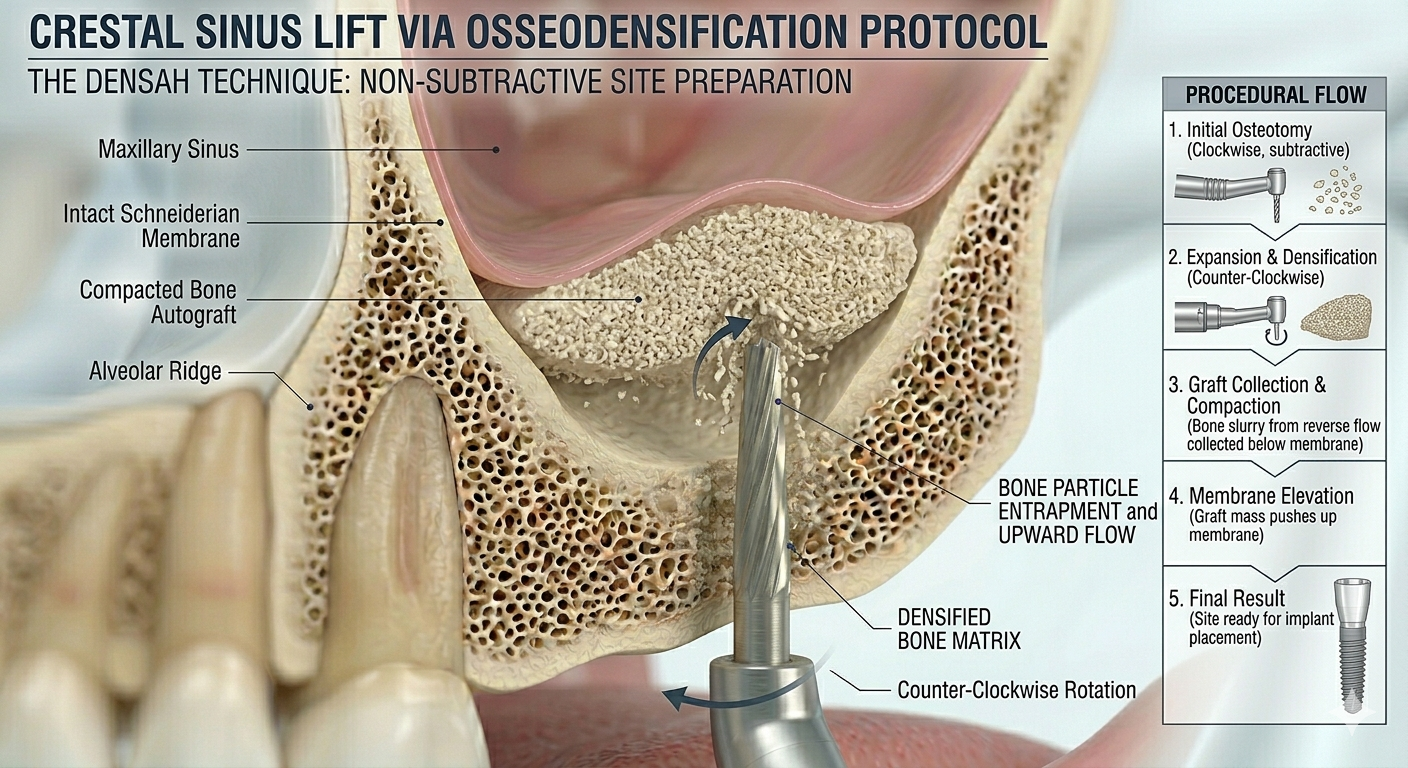
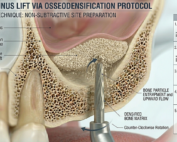
Latest Sinus Lifting Techniques in Modern Implant Dentistry
Latest Sinus Lifting Techniques in Modern Implant Dentistry A Comprehensive Clinical Review Introduction to Sinus Lifting in Implantology Sinus lifting, or maxillary sinus floor [...]
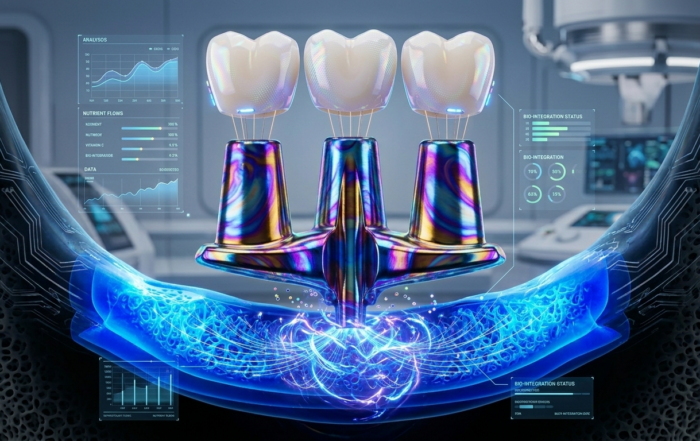
Biomechanics of the Triple Abutment & BOPiT Concept
Dental Biomechanics · Implant Science · Clinical Evidence Biomechanics of the Triple Abutment & BOPiT Concept How a saddle-shaped mathematical surface is rewriting the rules of load distribution [...]
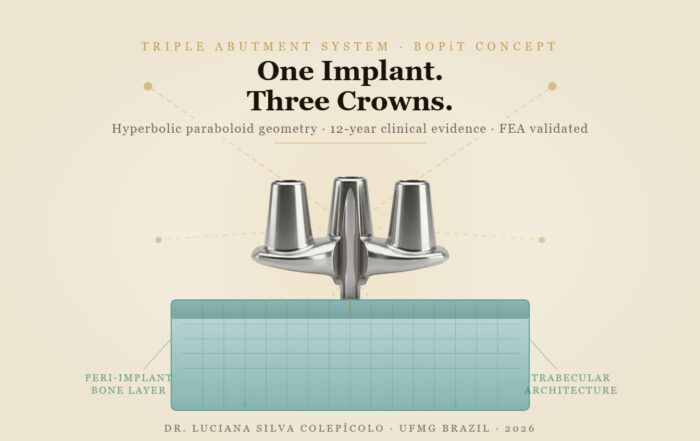
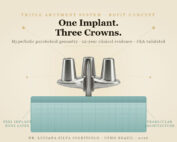
The Woman Who Proved One Implant Could Hold Three Crowns
The Woman Who Proved One Implant Could Hold Three Crowns While the dental establishment looked away, Dr. Luciana Colepícolo spent 12 years building the [...]
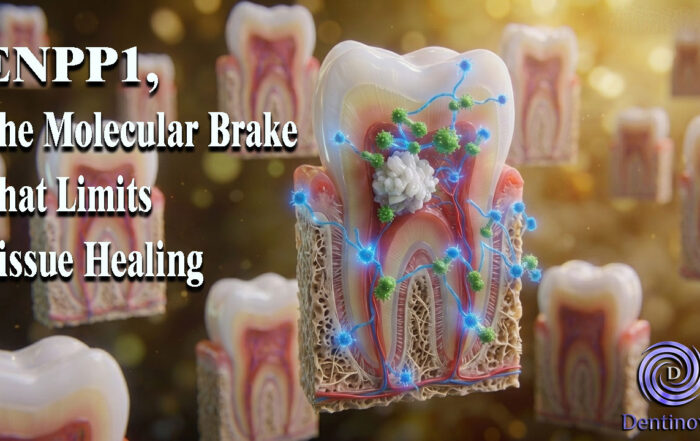
ENPP1, The Molecular Brake That Limits Tissue Healing
ENPP1, The Molecular Brake That Limits Tissue Healing Introduction: A New Biological Barrier to Dental Regeneration Meet ENPP1—a protein most dentists have never heard [...]